A newly seeded lawn can look unchanged for several days, even when the germination process has started beneath the surface. One corner may remain damp while a sunny slope dries by midday. If the surface dries repeatedly, emerging roots can fail; if water runs too heavily, seed may wash into piles or remain under standing water.
Watering is therefore a staged job, not one schedule for the entire establishment period. The schedule changes as the grass develops. This guide explains how to adjust watering at each growth stage and how weather, soil conditions, and sprinkler coverage influence your schedule.

How Often Should You Water Newly Sown Lawn Seeds?
Before germination, the upper layer of soil should remain consistently moist. In mild weather, that may require one or two light watering cycles per day; in hot, dry, or windy conditions, exposed seedbeds may need three or more brief cycles. Shaded or heavy-soil areas may need less. The goal is to prevent the seed zone from drying, not to soak the entire root profile at every watering.
Use a fine spray that does not displace seed. A few minutes may be enough for one sprinkler zone, but the correct duration depends on nozzle output and coverage. Place straight-sided cups or small containers around the lawn to see whether water reaches the edges and slopes evenly. If one area receives twice as much water as another, adjust the sprinkler pattern before increasing the whole schedule.
How Should Watering Change as New Grass Grows?
As seedlings develop and their roots extend deeper into the soil, their watering needs begin to change. Instead of frequent, shallow applications, gradually introduce deeper watering with longer intervals between sessions. The following table outlines practical watering approaches for each growth stage. Because germination and root development vary with grass type and weather, use the condition of the seedlings and soil—not fixed calendar dates—to determine when to adjust your routine.
| Growth stage |
Watering approach |
What to check |
| Seed not yet emerged |
Light, frequent cycles, often 1-3 times daily |
Surface remains damp without puddles or runoff |
| Early emergence |
Continue light moisture, usually daily and adjusted to drying |
Seedlings remain upright and the soil surface does not crust |
| Rooting and tillering |
Every 2-3 days; gradually water more deeply as the top layer begins to dry |
Roots hold seedlings in place and growth becomes more even |
| Established new lawn |
About 1-2 times per week; water deeply and adjust for soil conditions and rainfall |
Soil is moist below the surface and grass recovers between watering days |
During early emergence, avoid allowing the surface to become completely dry between cycles. Once the seedlings have several leaves and begin anchoring, start extending the interval. Water long enough to moisten the developing root zone, then allow the upper surface to dry slightly before the next application. This transition is often gradual over several weeks rather than a single switch.
What Changes Your Grass Seed Watering Schedule?
Even within the same lawn, different areas may need different amounts of water. Direct sunlight, soil texture, slope, and wind all affect how quickly the seedbed dries. Rainfall also changes how much supplemental irrigation is necessary. Understanding these conditions helps you fine-tune your watering routine, maintain more consistent moisture, and avoid overwatering areas that naturally retain water.
Surface Drying in Hot Weather
Direct sun and wind can dry the upper 6 mm quickly, especially on a south-facing slope. Check the surface midmorning and midafternoon during hot spells. If it is drying before the next cycle, add a short application rather than extending one long soak that may move seed.
Rainfall
Natural rain counts toward the moisture requirement. A light shower may wet leaves without reaching the seed zone, so check the soil instead of assuming the lawn received enough water. Heavy rain can create runoff and seed movement; inspect low areas after the storm and redistribute displaced seed only if the soil remains workable.
Soil Texture
Sandy soil drains quickly and may need more frequent light watering during germination. Clay soil holds water longer and can become saturated if cycles are too long. On clay, use short applications with time between them so water can infiltrate. Avoid keeping the surface muddy.
Shade
Shaded areas generally dry more slowly than open areas. If one zone includes both sun and shade, separate the irrigation zones when possible. Otherwise, adjust the schedule to avoid overwatering the shaded portion while keeping sunny sections moist.
Slopes
Water can run downhill before it reaches the seed. Use short cycles with pauses between them, allowing each application to soak in. A light mulch or seed blanket can help hold seed in place when appropriate for the site and product directions.
How Much Water Should You Apply Each Time?
During germination, apply enough to moisten the seed zone without creating puddles. There is no single number of minutes that fits every sprinkler, because output varies by nozzle, pressure, and spacing. Use catch cups to measure delivery and inspect the soil with a finger or small trowel. The upper 13 mm should remain moist, while water should not stand on the surface.
As roots deepen, increase the amount per session and lengthen the interval. For an established cool-season lawn, a weekly total around 3-4 cm including rainfall is a common maintenance reference, but new seedlings need a different pattern until their roots can access deeper moisture. Do not apply that weekly amount as one large dose to a fresh seedbed if it causes runoff or seed movement.
How Can You Tell Whether Grass Seed Is Too Wet or Too Dry?
The lawn gives visible signs when the watering pattern is off. Check both the soil and the seedlings; leaf color alone can be misleading during early growth.
Too dry
The surface becomes pale and dusty, seed remains hard and unchanged, or emerging seedlings wilt and lie flat during the warm part of the day.
Too wet
Water remains in puddles, the soil feels slick, or algae and a green film develop on the surface.
Seed washout
Seed gathers along the lower edge of a slope or in small channels after irrigation.
Uneven coverage
One strip emerges quickly while another remains bare, often following the sprinkler pattern.
Crusting
A hard surface layer forms and makes it difficult for shoots to emerge.
Identify and correct the underlying problem before adding more seed. Reposition sprinklers, shorten watering cycles, switch to a gentler nozzle, or improve seed-to-soil contact where needed. If seeds have been washed away, wait until the surface stabilizes before repairing the affected areas at the appropriate seeding rate.
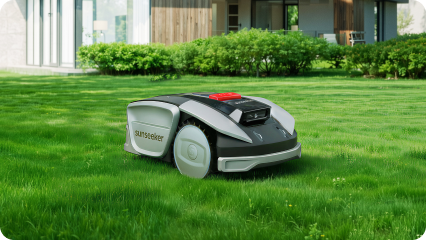
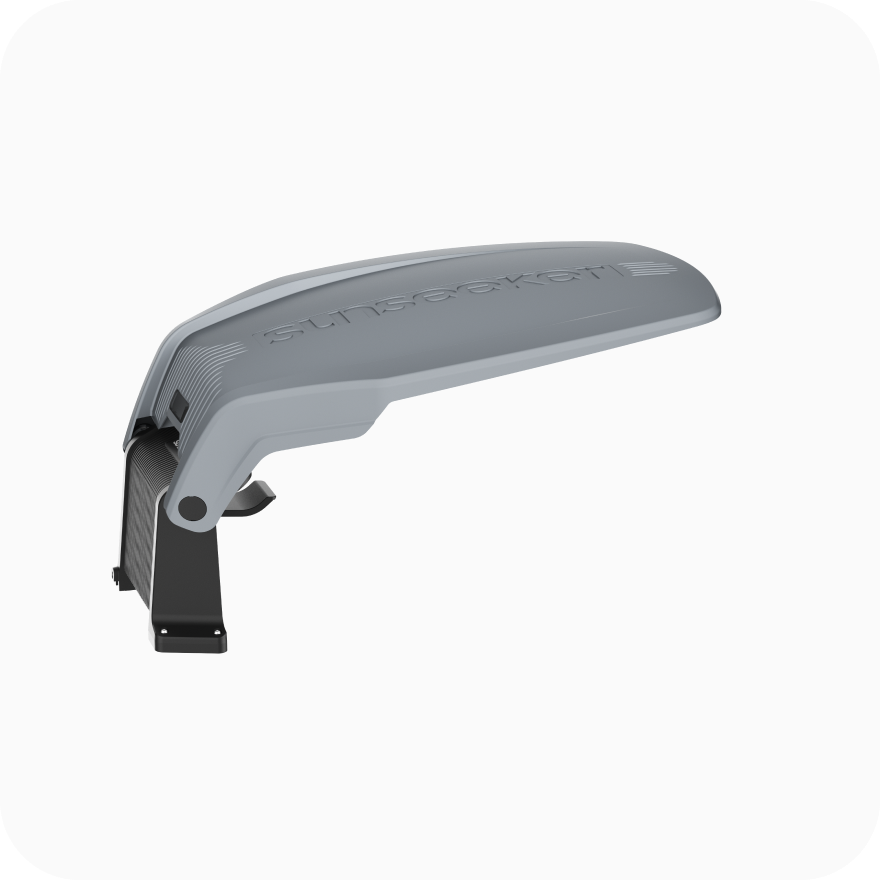
For ongoing lawn care, a suitable mower helps maintain consistent grass height as the new lawn matures. The Sunseeker S5 offers automated mowing convenience, helping reduce routine maintenance effort and keep established grass neatly trimmed.

Conclusion
Keep the seed zone consistently moist during germination, then gradually shift to deeper, less frequent watering as seedlings develop stronger roots. Adjust your schedule for rainfall, sunlight, and soil conditions to encourage healthy, even growth.
Once the lawn is established and ready for regular mowing, GPS Robot Mowers can help maintain consistent cutting schedules. Plan mowing around irrigation so the grass has time to dry, and continue adjusting watering as the lawn matures..
FAQ
What Happens If You Miss One Watering?
One missed cycle does not automatically ruin a seeding project. Check the surface and restore moisture promptly if it has dried. If the seed zone has been dry for many hours in hot weather, germination may be uneven, so watch the affected area over the next 1-2 weeks and reseed only where emergence fails.
Can You Water Grass Seed at Night?
A short evening cycle can be useful if the surface dries rapidly, but prolonged overnight leaf wetness can favor disease. Early morning is usually the better main watering time. If an extra cycle is necessary, use a light application and avoid leaving the lawn saturated through the night.
Should You Use Straw or a Seed Blanket to Hold Moisture?
A light layer of clean straw or a purpose-made seed blanket can reduce erosion and surface drying on exposed areas. Do not apply it so thickly that light and air are blocked. Follow the product instructions, and remove or loosen material if it mats over emerging grass.