Summer can make a lawn look thirsty almost overnight. A sunny patch may turn bluish and leave footprints after a hot afternoon, while shaded grass remains green. Running the sprinkler every evening can seem like the quickest fix, but frequent shallow watering encourages shallow roots and wastes water through evaporation.
A useful summer schedule depends on the lawn’s management goal. The key decision is whether you want to maintain active green growth or allow dormancy. From there, weekly totals, watering times, and sprinkler checks can be adjusted to the conditions in your yard.
How Often Does an Established Lawn Need Water in Summer?
For many actively growing cool-season lawns, a total of about 2.5-3 cm of water per week, including rainfall, is a common starting point. In mild weather, that amount may be delivered in one or two deep applications. During a heat wave, sandy soil or strong wind may require adjustments; heavy clay may need shorter cycles with soak-in time between them.
This range is intended to maintain green color and active growth, not to prescribe the same schedule for every yard.Tall fescue, Kentucky bluegrass, perennial ryegrass, and fine fescues all differ in their ability to tolerate drought. Soil depth, shade, mowing height, and root health also influence water needs. A lawn with deeper roots can often use available moisture more efficiently than one that is kept short or frequently watered for just a few minutes.
How Much Water Should Your Lawn Receive Each Week?
Many established lawns need around 25–30 mm of water per week during active growth, including rainfall and irrigation. The actual amount varies with grass type, soil, and weather. Use a rain gauge to measure precipitation and subtract effective rainfall from your weekly target. For example, if your target is 30 mm and the lawn receives 10 mm of effective rain, you need another 20 mm from irrigation.
To measure sprinkler output, place several straight-sided catch cups evenly across one irrigation zone. Run the sprinklers for 30 minutes and calculate the average water depth. If the cups collect 8 mm, the zone delivers approximately 16 mm per hour.
Use this formula to calculate watering time:
Run time (minutes) = irrigation needed (mm) ÷ sprinkler output (mm/hour) × 60
For the example above, 20 ÷ 16 × 60 = 75 minutes of total watering time. If the soil absorbs water slowly or runoff develops, divide this into shorter cycles with soaking breaks.
After watering, use a soil probe or screwdriver to check whether moisture reaches 10–15 cm into the root zone. Repeat the catch-cup test for each zone, as sprinkler output can vary across the lawn.
What Changes Summer Lawn Watering Frequency?
Your watering schedule should reflect the conditions in your yard rather than follow a rigid calendar. Soil texture, grass type, sunlight, temperature, and rainfall all influence how quickly the lawn loses moisture. Check the grass and soil in several locations, then adjust the relevant irrigation zones instead of automatically increasing watering time across the entire lawn.
Soil Texture
Sandy soils drain quickly and may need more frequent irrigation than clay. Clay holds moisture longer but absorbs water slowly, so long cycles can produce runoff. On compacted ground, water may pool even when roots remain dry below the surface. Improve infiltration where possible and use cycle-and-soak irrigation on slopes or dense soils.
Grass Type
Cool-season grasses often slow growth or go dormant during prolonged summer heat. Warm-season grasses such as bermudagrass and zoysia are adapted to active summer growth and generally use water differently. Fine fescues can tolerate some drought once established. Identify the species before copying a neighbor’s schedule.
Sun Exposure
Full-sun areas lose moisture faster than shaded areas. A lawn with mixed exposure may need separate irrigation zones. If that is not possible, use catch cups and soil checks to avoid saturating shade while trying to maintain a sunny strip.
Heat Waves
During several days above 32°C, cool-season turf may show stress earlier, especially when nights remain warm. Watch for a bluish cast, folded leaf blades, and footprints that remain visible. If you are maintaining active green growth, irrigate before severe wilting develops. If the lawn is being allowed to go dormant, limit traffic instead of trying to force rapid green-up.
Rainfall
Subtract effective rainfall from the irrigation plan. Heavy rain may still run off on slopes or compacted soil, so inspect the root zone. Do not water simply because the timer is scheduled if the soil is already moist several centimetres down.
What Time of Day Should You Water in Summer?
Early morning is generally the most efficient time to water your lawn. Cooler temperatures and lower wind speeds reduce evaporation, while the grass has enough time to dry during the day. Midday watering loses more moisture to evaporation, and repeated late-night watering can leave grass blades wet for extended periods, increasing the risk of lawn diseases.
If your irrigation system runs before sunrise, make sure it finishes early enough to allow the grass canopy to dry. Avoid watering in strong winds, which can disrupt sprinkler patterns and create uneven coverage. A smart irrigation controller can adjust watering based on rainfall and weather conditions, but its settings should still reflect measured sprinkler output and the actual moisture levels in your soil.
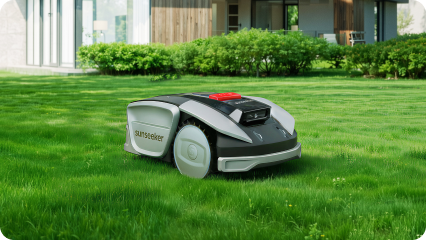
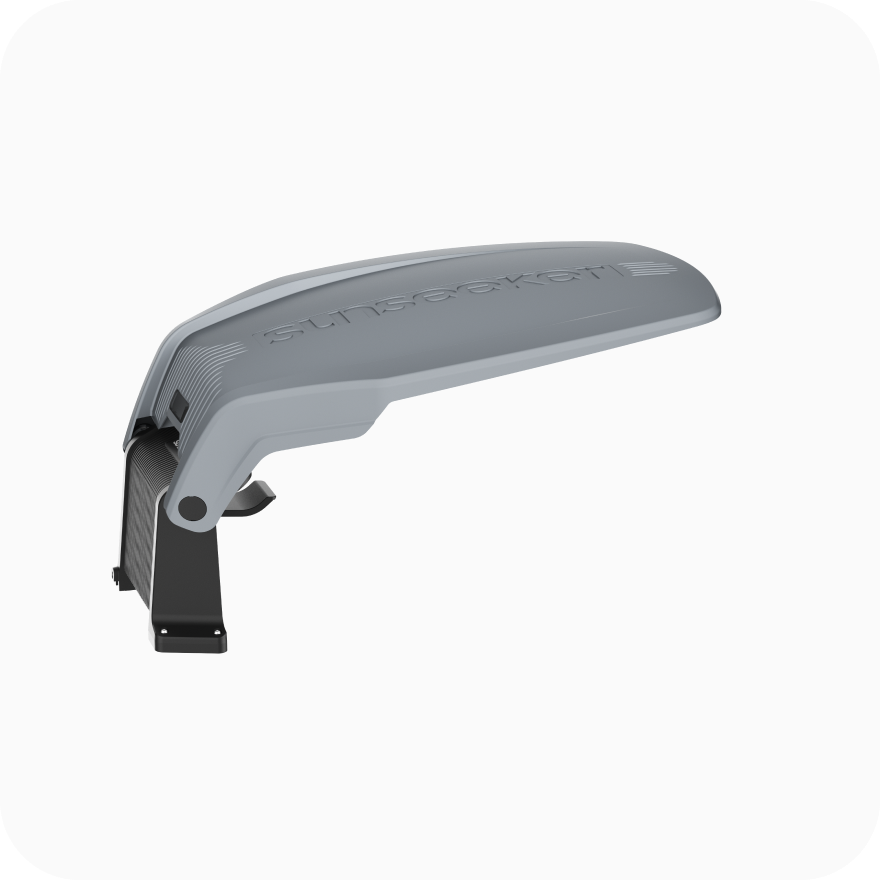
Once your watering schedule is established, maintaining a consistent mowing routine can also help keep the lawn in good condition without unnecessary stress. For smaller gardens, the Sunseeker V1 is designed to handle lawns of up to approximately 300 m², making routine mowing easier to manage alongside your summer lawn care.
How Do You Check and Adjust Your Sprinkler Schedule?
A sprinkler program should be based on measured output and visible lawn response. Make a small adjustment, then observe the next several days rather than changing multiple settings at once.
Measure output
Place catch cups in each zone and run the system for 15-30 minutes to compare coverage.
Check moisture depth
Use a soil probe after irrigation to see whether water reaches the active root zone.
Split slow-draining zones
On clay or slopes, use two or three shorter cycles separated by 30-60 minutes so water can soak in.
Inspect dry strips
Look for clogged heads, poor overlap, blocked spray, or pressure differences.
Count rainfall
Skip or shorten a scheduled cycle when rain has supplied the needed moisture.
Review local limits
Follow municipal watering days, drought restrictions, and any seasonal rules for your area.
Conclusion
For an actively growing lawn, about 2.5-3 cm of water per week, including rainfall, is a useful general guideline. Adjust the amount according to your grass type, soil conditions, and summer temperatures. Water early in the morning, check that moisture reaches the root zone, and avoid runoff. Lawns entering dormancy generally need less water than those maintained in active growth.
Keep mowing and irrigation schedules coordinated so the grass has time to dry between sessions. GPS Robot Mowers can help maintain consistent cutting routines during the growing season, while you adjust watering and mowing frequency as conditions change.
FAQ
Should You Water a Dormant Lawn During a Heat Wave?
A dormant cool-season lawn may need occasional water during extended drought to protect crowns and roots, but it does not need the same schedule as actively green turf. A light, deep application of about 13 mm every few weeks is a common survival reference; local soil and drought conditions determine the need. Limit traffic while the grass is brown.
Can You Water Immediately After Mowing?
Yes, if the lawn needs water and the soil is dry. Mowing does not create a special irrigation requirement. Early morning remains the preferred time, and the amount should follow the soil’s moisture condition rather than the fact that the grass was just cut.
Does a Newly Seeded Lawn Need the Same Summer Schedule?
No. Newly seeded areas need frequent light moisture at the surface during germination, often one to three short cycles per day in hot, dry weather. Established turf is usually watered more deeply and less often. Keep the two areas on separate zones when possible so neither receives the wrong pattern.