How Often Should You Mow Your Lawn
To achieve a healthy, resilient lawn, a general guideline is to mow once per week during the peak growing seasons of spring and early fall. During the hot, slow-growing weeks of summer, you can reduce this to every 10-14 days. However, this is just a starting point. The ideal frequency for your yard can vary significantly based on grass type, season, and growth rate.
Factors Influencing Mowing Frequency
Several key elements influence how quickly your grass grows and, therefore, how often you need to mow. Understanding these factors helps you move from guesswork to an informed routine.
1. Grass Type and Growth Rate
The type of grass in your lawn is the fundamental starting point. Different species have distinct growth patterns and speeds. Cool-season grasses, such as Kentucky bluegrass, perennial ryegrass, and tall fescue, experience their most vigorous growth during the cool, moist periods of spring and fall.
In contrast, warm-season grasses like Bermudagrass, Zoysia, and St. Augustine grass grow most actively during the heat of summer. Identifying your grass type is the first step to predicting its needs.
2. Season and Weather Conditions
Grass growth varies with both seasonal cycles and local weather. During peak periods—spring for cool-season grasses and summer for warm-season types—mowing may be needed every 5–7 days. Growth slows in hot summer for cool-season grasses or in fall for warm-season varieties, allowing intervals of 10–14 days or more.
In winter, when most grasses are dormant, mowing is usually unnecessary. For practical guidance on off-season care, see Winter Lawn Care: What You Need to Know to learn how to maintain your lawn and properly store gardening tools during colder months.
Rainfall, temperature, and sunlight also affect growth, so it’s best to check the lawn itself. After wet spells, extra mowing may be necessary, while dry periods let the mower rest, rather than strictly following a calendar.
3. Fertilization and Watering Practices
The care you provide accelerates growth. A lawn that receives regular, balanced fertilization and consistent, deep watering will naturally grow more lushly and quickly than one that is underfed or stressed by drought. If you've recently fertilized, be prepared to mow more often in the following weeks as the grass responds to the nutrients. This is a sign your lawn care is working, but it does require a bit more time behind the mower.
Why Proper Mowing Frequency Matters
Mowing is not just about keeping your yard looking neat. When done at the right frequency, it is a core practice that contributes to the long-term vitality and resilience of your lawn.
Benefits of Frequent Mowing
-
Promotes Healthier Growth: Regular mowing stimulates new shoots from the base, thickening turf for a lush, resilient lawn that withstands foot traffic and environmental stress.
-
Prevents Weeds: Properly maintained grass shades soil, blocking sunlight from weed seeds and crowding out potential weeds before they can establish.
-
Reduces Disease Risk: Mowing at the right frequency avoids scalping, keeping grass strong and less vulnerable to pests and fungal infections.
-
Maintains Appearance: Consistent mowing prevents patchy, uneven growth, creating a crisp, uniform, professionally maintained look.
Consequences of Infrequent Mowing
Neglecting regular mowing leads to uneven, patchy lawns where some areas overgrow while others struggle for light and nutrients. Tall grass shades lower blades, slowing growth and creating weak spots. Weeds gain a foothold as open soil and sunlight allow seeds to germinate.
Overgrown turf also becomes more susceptible to pests, fungal diseases, and thatch buildup. Additionally, long grass can stress mowing equipment and make subsequent cuts more difficult, requiring extra effort to restore an even, healthy lawn.
Risks of Over-Mowing
Cutting grass too frequently or too short, known as scalping, weakens plants by removing excessive leaf tissue. This stresses roots, reduces photosynthesis, and slows growth. Over-mowed lawns are more vulnerable to pests, fungal infections, and environmental stress like heat or drought. Soil may become exposed, encouraging weed invasion and erosion. Constantly short grass also loses density, leading to thin, patchy turf that struggles to recover.
Effective Lawn Mowing Tips
Pairing the right frequency with proper technique will maximize the benefits for your lawn.
Follow the One-Third Rule
This is the golden rule of mowing. Never remove more than one-third of the grass blade's height in a single session. If your ideal lawn height is 3 inches, mow when the grass reaches about 4.5 inches. Cutting off more than one-third shocks the plant, stunts root growth, and can turn the grass yellow.
Adjust Mowing Height Seasonally
Be flexible with your mower's height settings. During the stressful summer heat, raise the cutting height for cool-season grasses. The longer blades provide more shade for the soil and roots, conserving moisture. In cooler growing seasons, lower the height slightly for a denser, more even appearance.
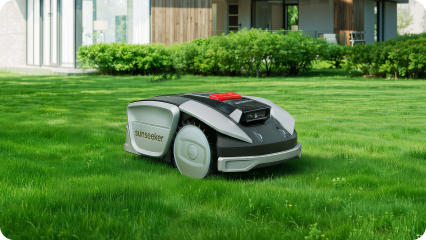
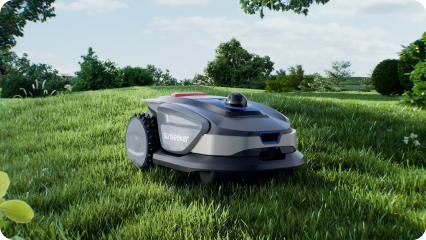
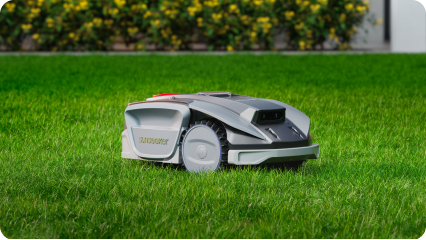
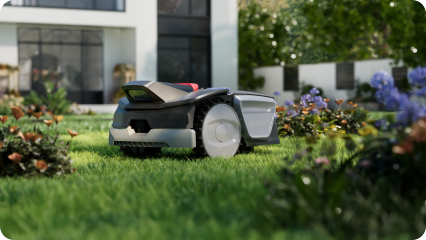
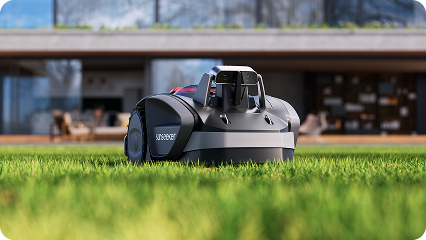
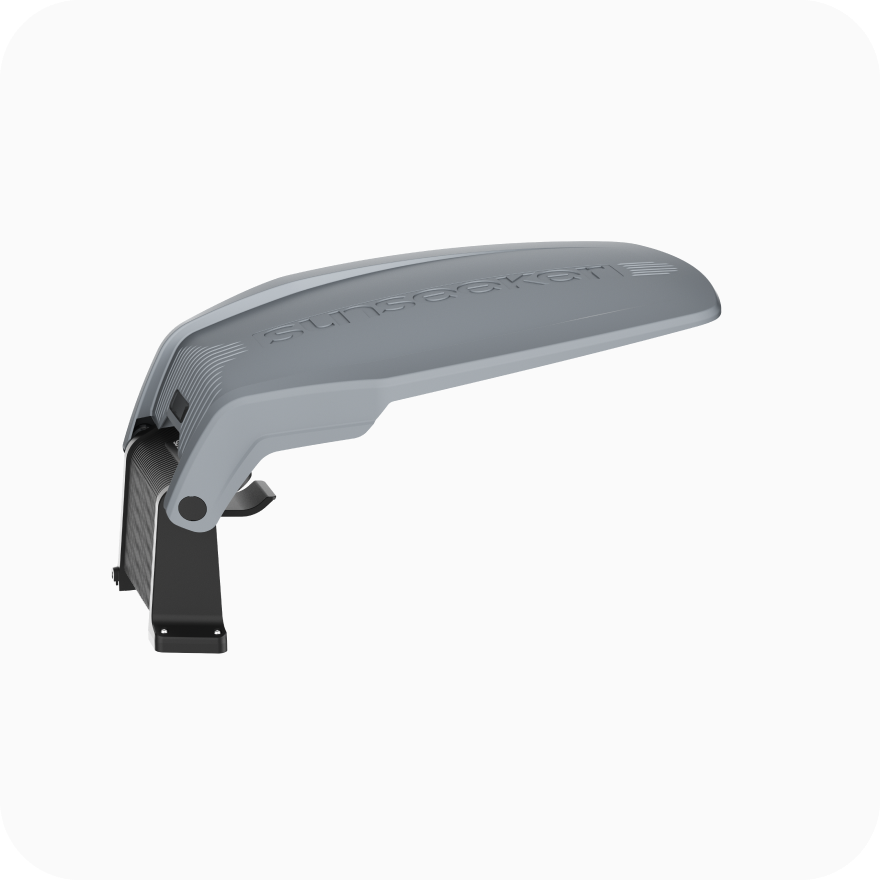
For robotic mowers like the Sunseeker S4, you can control the cutting height precisely from 20 mm to 60 mm using a simple onboard dial or digital display. Once the setting is selected, the mower automatically delivers consistent, hands-free trimming across your lawn.

Sunseeker S4 with adjustable cutting height from 20mm to 60mm
Keep Mower Blades Sharp
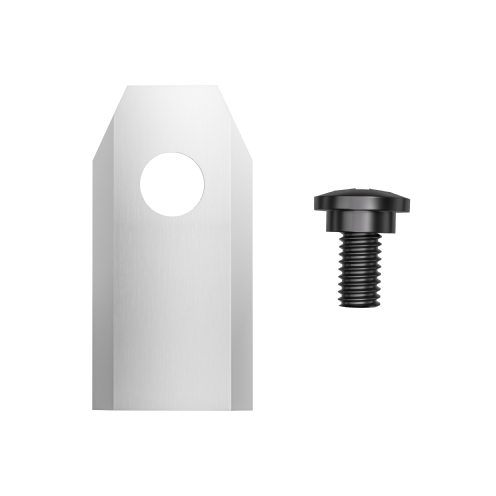
A sharp mower blade is non-negotiable. A dull blade tears and shreds the tips of the grass blades, leaving them ragged and brown. These ragged ends are open wounds that lose more water and are more susceptible to disease. Sharpen your blades several times during the mowing season for a clean, healthy cut.
Alternate Mowing Patterns
If you mow in the same direction every time, the grass blades will begin to lean in that direction and the wheels can create ruts in the soil. Change your pattern each time you mow—go north-south one week, then east-west the next, then on a diagonal. This encourages upright growth and prevents soil compaction.
Leave Grass Clippings on the Lawn
This practice, known as grasscycling, is highly beneficial. The fine clippings decompose quickly, returning valuable nutrients like nitrogen back to the soil. They act as a natural fertilizer, reducing your need for supplemental feeding. This only works well if you mow frequently enough that the clippings are short and disperse easily.
Conclusion
Mowing frequency should follow your lawn’s natural growth, not just the calendar. Consider grass type, season, weather, and care habits to decide when to cut. Whether using a traditional ride-on mower or a robot mower like the Sunseeker S4, it’s important to follow the one-third rule, use sharp blades, and vary mowing patterns to keep grass healthy and prevent stress.
Consistent, thoughtful mowing builds thicker, more resilient turf that naturally resists weeds and disease. Over time, this creates a lush, even lawn that requires less corrective work.
FAQs
Does mowing more frequently actually make grass grow thicker?
Yes, frequent, light mowing encourages the grass plant to produce new shoots from its base in a process called tillering. This leads to denser turf that can better withstand stress and crowd out potential weeds.
What should I do if I missed a mowing and my grass is too tall?
Raise your mower to its highest setting and mow, then wait a few days. Lower the blade gradually over your next two mowing sessions until you return to your target height, always removing less than one-third.
Can my mowing frequency affect lawn pests?
Yes. An overgrown lawn provides ideal shelter for pests like ticks and mosquitoes. Conversely, a lawn kept at the proper height discourages them and makes pesticide applications more effective if they become necessary.