A lawn that looks pale in spring can tempt homeowners into feeding it again, even if a fertilizer application was made only a few weeks earlier. Repeated applications may push rapid leaf growth without improving roots or density. Excess nitrogen can also increase mowing, encourage disease, and move nutrients into waterways.
An effective feeding plan begins with the annual nitrogen target, then divides it into applications that fit the grass’s growth cycle. This guide explains how to account for fertilizer release rates, soil-test results, and returned grass clippings when planning your schedule. The goal is to provide enough nutrients for healthy growth without relying on a fixed monthly routine.
How Often Does Your Grass Type Need Fertilizer?
Cool-season grasses such as Kentucky bluegrass, perennial ryegrass, and tall fescue usually benefit most from feeding in late summer and early fall, when roots and shoots recover from summer stress. A low-maintenance lawn may need only one application in late summer or early fall. A moderate lawn may receive two applications—one in spring and one in late summer or early fall. Higher-input lawns may use three or four split applications, with a late-season feeding where local guidance supports it.
Warm-season grasses such as bermudagrass, zoysia, and St. Augustine are actively growing during warm months. Their feeding window generally begins after spring green-up and continues through summer, ending early enough for the grass to prepare for dormancy. The exact frequency depends on species, climate, soil, and the annual nitrogen rate. Avoid fertilizing dormant warm-season turf or applying nitrogen late in the season when growth is slowing.
The number of applications should follow the total annual nitrogen requirement. If a lawn needs 1 kg of nitrogen per 100 m² for the year, that amount might be divided into two 0.5 kg applications or several smaller ones, depending on grass type and local recommendations. The total matters more than the number of visits. Do not add another feeding simply because the lawn is not dark green; first check water, mowing height, soil pH, and possible disease.
What Determines the Interval Between Lawn Feedings?
How often you fertilize your lawn is influenced by its annual nutrient needs, active growing season, fertilizer type, and mowing habits. Understanding these factors helps you space applications appropriately without supplying more nitrogen than the grass needs.
Annual Nitrogen Needs
Different lawns require different amounts of nitrogen each year. Recommendations are commonly measured in kilograms of actual nitrogen per 100 m² annually. Lawns with heavy use or higher maintenance needs may benefit from several smaller applications, while shaded or low-maintenance lawns often need less.
Check local turf guidance for your grass species and divide the annual nitrogen requirement into suitable applications. Soil testing can also identify pH, phosphorus, and potassium needs, helping you plan other nutrients alongside nitrogen.
Grass Type and Growing Season
Grass grows at different rates throughout the year, which affects when it benefits most from fertilizer.
Cool-season grasses, including tall fescue and Kentucky bluegrass, generally benefit most from fall fertilization, with additional feeding during spring growth when needed. Warm-season grasses, such as bermudagrass and zoysiagrass, are typically fertilized during active growth from late spring through summer.
Schedule applications around these growth periods rather than using the same interval throughout the year.
Fertilizer Release Rate
Quick-release fertilizers make nitrogen available rapidly, producing a faster response but requiring careful application rates and timing. Slow-release fertilizers supply nutrients gradually, often allowing longer intervals between feedings.
Check the fertilizer label for its release characteristics and recommended reapplication interval. Products with similar NPK ratios may supply nutrients at different rates.
Clipping Management
Leaving grass clippings on the lawn returns nitrogen and other nutrients to the soil as they decompose. Over time, this can reduce the amount of additional fertilizer needed, especially when grass is cut regularly and clippings remain small.
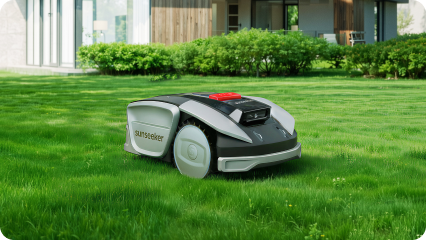
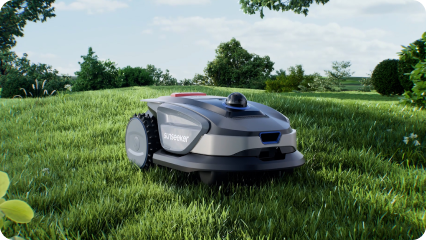
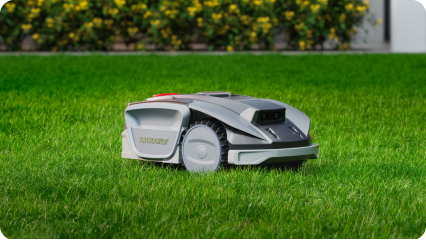
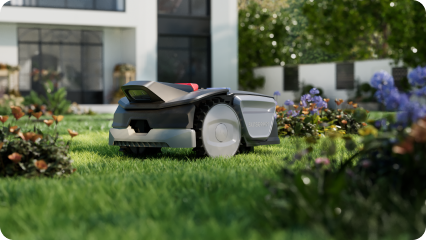
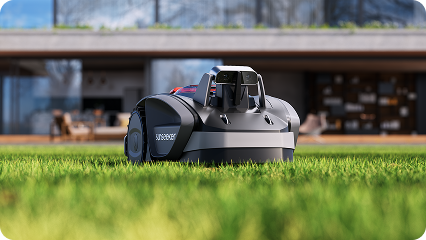
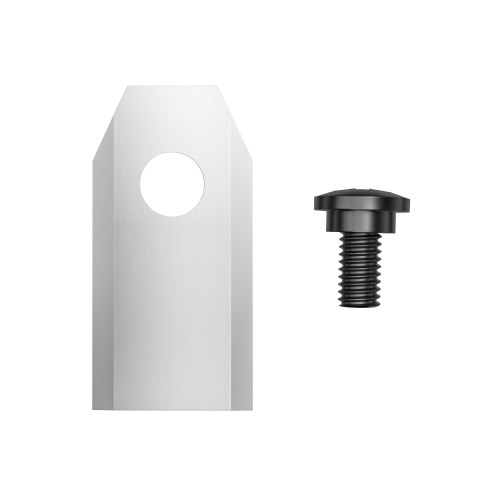
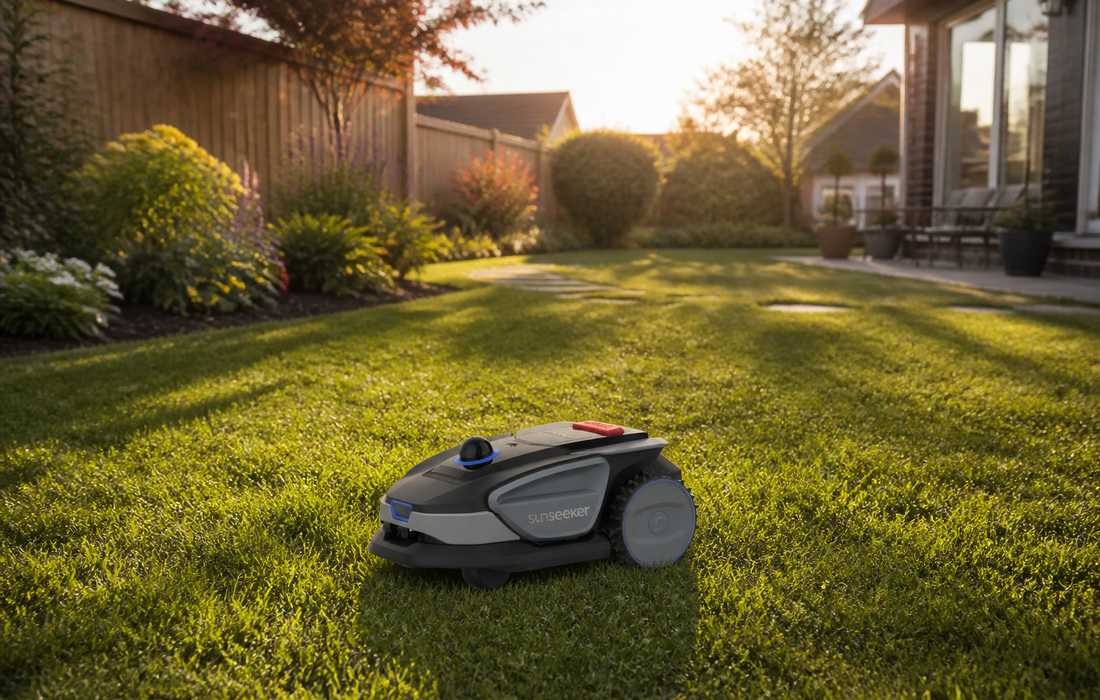
Robot Mowers with Mulching Blades support this approach through frequent, light cuts that leave fine clippings on the lawn. Account for these recycled nutrients when planning your annual fertilizer applications, and adjust your feeding routine according to grass growth and lawn condition.
How Should Lawn Fertilizing Fit the Growing Season?
Think of the year as a series of growth windows rather than a monthly routine. Cool-season lawns often receive their main feeding in late summer or early fall, with spring and late-season applications adjusted to desired quality and regional guidance. Warm-season lawns are fed after green-up and during active growth, with applications ending before dormancy.
For cool-season turf in many cooler inland regions, spring feeding may occur in May, while the main recovery window is often August through September. Some programs include a late-season application after the final mowing, often in late October or November depending on latitude. Warm-season lawns in southern regions typically receive nitrogen during late spring and summer. These are regional examples; the grass species and local turf calendar should guide the actual dates.
How Can You Track Lawn Feeding Without Overfertilizing?
A simple record prevents accidental overlap. Write down the product, analysis, amount, treated area, date, and actual nitrogen delivered. If the label rate is based on product weight, convert it to nitrogen before adding it to the annual total. Keep receipts or bag labels so the next application can be compared with the previous one.
Use a measured lawn area and calibrate the spreader for each product. If you apply 0.25 kg of nitrogen per 100 m² from a 25% nitrogen fertilizer, the product amount is 0.25 ÷ 0.25 = 1 kg per 100 m². The same nitrogen target from a 10% product would require 2.5 kg of product. This is why bag weight alone cannot show how much nitrogen the lawn received.
A simple season log can show when an interval is getting too short. For a 500 m² lawn, an application of 1 kg of product per 100 m² uses 5 kg total. Record that product's nitrogen percentage and the date, then add the actual nitrogen to the annual total. If another product is used later, calculate its contribution separately instead of comparing bag weights.
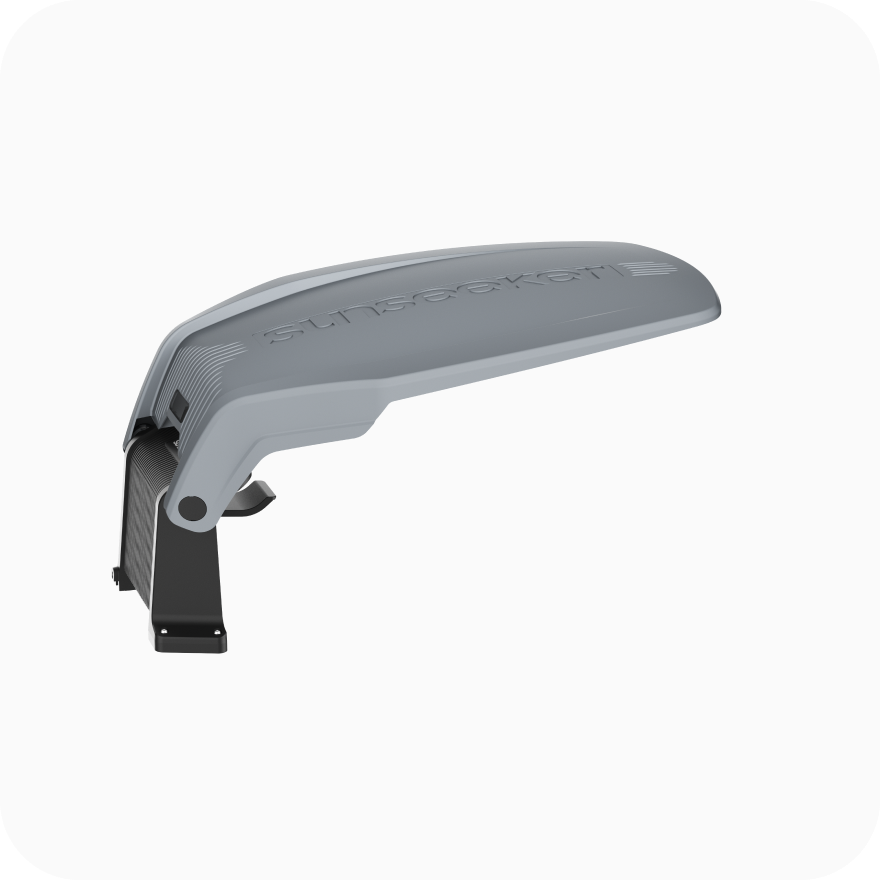
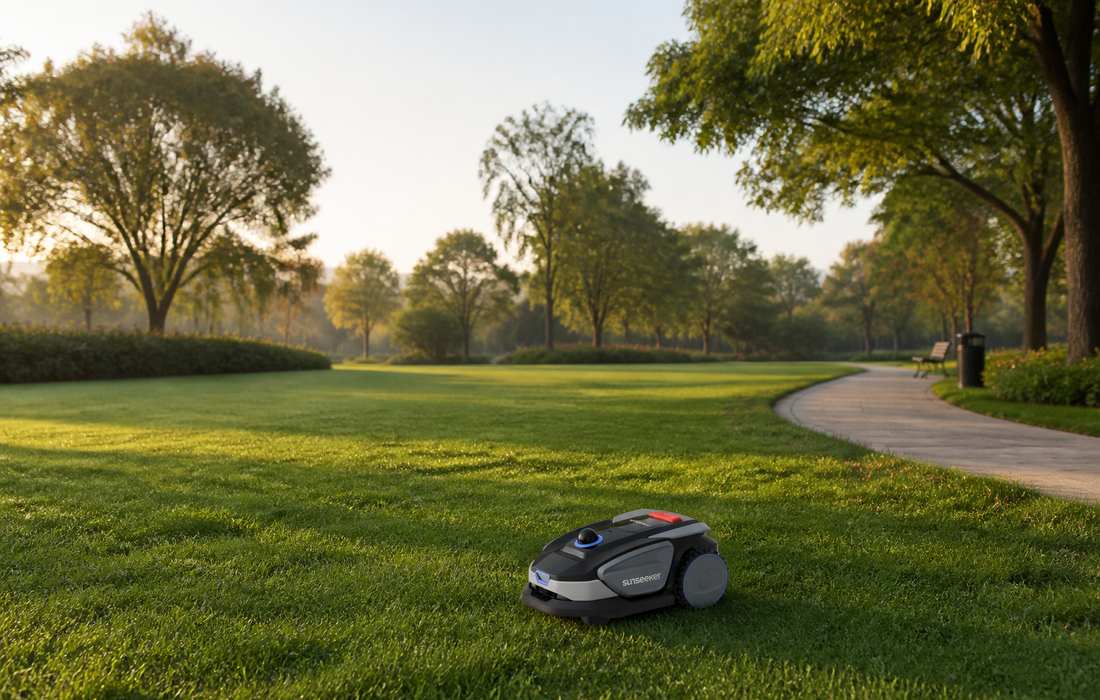
Regular mowing can help monitor how the lawn responds to fertilization. Consistent cutting helps you spot changes in growth rate, color, and density between applications. For homeowners looking to simplify this part of lawn care, the Sunseeker S4 uses AllSense™ technology to support adaptive mowing and maintain a consistent cutting routine. This can make it easier to manage routine mowing as the lawn responds to planned fertilizer applications.
When Should You Delay the Next Fertilizer Application?
Delay feeding when the grass is dormant, severely drought-stressed, waterlogged, or entering extreme heat. Do not apply quick-release nitrogen just before heavy rain that could wash nutrients away. Wait until the lawn is actively growing and the label’s temperature and moisture conditions are met.
A recent application is another reason to pause. Check the product’s expected release period and the amount of nitrogen already applied. If the lawn remains pale, inspect soil pH, irrigation coverage, compaction, and disease before adding more. Repeated feeding will not repair a damaged root system or poor drainage.
Conclusion
The right lawn fertilizing frequency depends on grass type, annual nitrogen needs, fertilizer release rate, and how grass clippings are managed. Cool-season lawns generally benefit from late-summer and fall applications, while warm-season grasses need nutrients during active warm-weather growth. Divide the annual nitrogen requirement into appropriate doses, account for nutrients returned through mulching, and keep a record of each application. Most importantly, avoid fertilizing when grass or weather conditions are unfavorable.
FAQ
Does Rain Mean You Need to Fertilize Again?
No. Rain does not automatically remove fertilizer or create a need for another application. Follow the product’s watering instructions and check whether runoff or flooding occurred. Reapply only if the label and lawn plan support it; do not repeat a dose simply because it rained after treatment.
Does Liquid Fertilizer Always Need More Frequent Application?
No. Frequency depends on the nutrient formulation and label, not only whether the product is liquid or granular. Some liquids are quick-release and may need shorter intervals; others contain controlled-release components. Compare the guaranteed analysis, application rate, and feeding duration before scheduling the next treatment.
Can a Low-Maintenance Lawn Be Healthy With Less Fertilizer?
Yes. A low-input lawn may need one or fewer nitrogen applications per year, especially in shade or where clippings are returned. A healthy lawn is not defined by the darkest green color. Choose a realistic density and appearance goal, then use soil and grass response to set the annual nutrient plan.