Some lawns develop a springy layer that makes the mower feel as if it is riding on a mattress. Water beads or runs off instead of soaking in, and the roots stay shallow even when the sprinklers run on schedule.
The usual reaction is to book a dethatching service every spring, but most lawns never build up enough thatch to need one. A ruler settles the question in two minutes. This guide walks through how to take that reading, why the layer climbs faster on some lawns, and when doing nothing is the right call.
Does Your Lawn Need Dethatching Every Year?
The simple answer is No. But how often should you dethatch your lawn? Only when a measurement says the layer has gotten too thick. A thin layer around 13 mm or less can be beneficial, helping cushion the surface and moderate soil moisture, while a layer approaching or exceeding 3 cm may restrict air, water, and nutrient movement and encourage shallow roots. Some turf types produce more thatch than others, so the time between treatments can vary substantially.
Some lawns can wait. A healthy stand with a modest organic layer may go several years without the machine, while a high-thatch-producing grass under heavy nitrogen and irrigation wants checking more often. Check rather than book: aggressive dethatching thins the lawn and opens soil for weeds, so doing it on a calendar has a real cost.
How Do You Measure Thatch Before Deciding?
Take small samples from at least three locations: a healthy section, a thin or spongy section, and an area that receives heavier traffic or irrigation. Use a spade to cut a narrow wedge several centimetres deep. Look for the tan-brown interwoven layer between the green blades and the mineral soil. Measure that layer alone, not the total depth of roots and soil, and do not count loose clippings lying on top of it.
A ruler is more useful than pressing a finger into the turf. Record the measurements and compare them across the lawn. If one area measures 6 mm and another is near 3 cm, the entire yard may not need the same treatment. A localized problem can often be handled in patches, leaving the rest of the turf alone.
Also inspect the soil below the thatch. A spongy lawn can mean a thick layer on top or hard soil underneath, and those are two different problems. If the mineral soil is dense and water does not penetrate, compaction is the likelier one.
What Makes Some Lawns Need More Frequent Dethatching?
Thatch piles up when organic material is produced faster than soil organisms can break it down. Grass type is part of it, but so is management, and the conditions below explain why two lawns in the same neighborhood can end up very different.
Grass Growth Habit
Some grasses have more aggressive stems, rhizomes, or stolons and can produce more organic material near the surface. Kentucky bluegrass is one. Several warm-season grasses behave the same way, while bunch-type grasses such as tall fescue build thatch more slowly, so a mixed lawn can thicken unevenly where one species dominates.
Excess Nitrogen
High nitrogen can stimulate rapid shoot and stem production. If the lawn receives more fertilizer than it needs, organic material may accumulate faster than it decomposes. Follow a measured annual nitrogen plan and avoid repeated applications intended only to darken the color.
Slow Organic Matter Breakdown
Cool, dry, or poorly aerated soil can slow microbial activity. A soil pH outside the suitable range may also reduce decomposition. A thin thatch layer is normal; the goal is not to eliminate all organic matter but to keep it from becoming a barrier.
Irrigation Practices
Frequent shallow watering can encourage shallow roots and keep the surface persistently damp. Poor drainage can also slow breakdown and reduce oxygen around roots. Water according to grass needs and soil infiltration rather than using a daily schedule that keeps the upper layer wet.
When Is the Right Season to Dethatch Your Grass Type?
The timing should give the grass a strong recovery window. In northern and central regions, cool-season lawns are usually dethatched from August into September, when cooler air and active growth let the turf knit back together before winter. Warm-season lawns are treated during active late-spring or summer growth, after green-up.
Avoid dethatching during drought, high heat, dormancy, or late fall when the grass has little time to recover. If the thatch layer is very deep, the work may thin the lawn substantially and should be coordinated with overseeding or renovation. Use local turf timing because the best month shifts with latitude and species.
When Should You Aerate Instead of Dethatching?
Choose core aeration when the main problem is compacted mineral soil rather than a thick organic layer. Compaction is common in play areas, dog paths, and anywhere equipment runs repeatedly. A hollow-tine aerator removes plugs, creating channels for water and roots; a spike tool only pushes soil aside and does not do the same job.
A lawn can need both treatments, but do not combine them automatically. Where neither the mat nor the compaction is bad enough to act on, leave the machines in the shed and put the effort into mowing, irrigation, and nutrient balance.
How Should You Reassess the Lawn After Treatment?
Write the measurement down before and after the work. Memory is not good enough here. The next decision should rest on the change between those two numbers, so go back to the same spots once the lawn has recovered, and again next growing season. One treatment does not earn a standing appointment; the layer has to build back to a problem level first.
Watch for thinning grass, exposed soil, or water that still moves unevenly. If the layer measures below 13 mm and the lawn still feels spongy, the problem was never the thatch. And if buildup returns quickly, the cause sits upstream of the dethatcher.
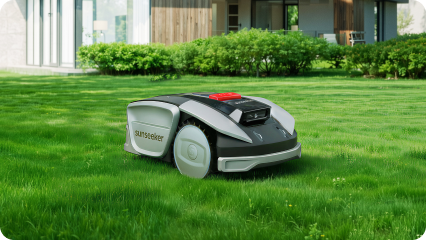
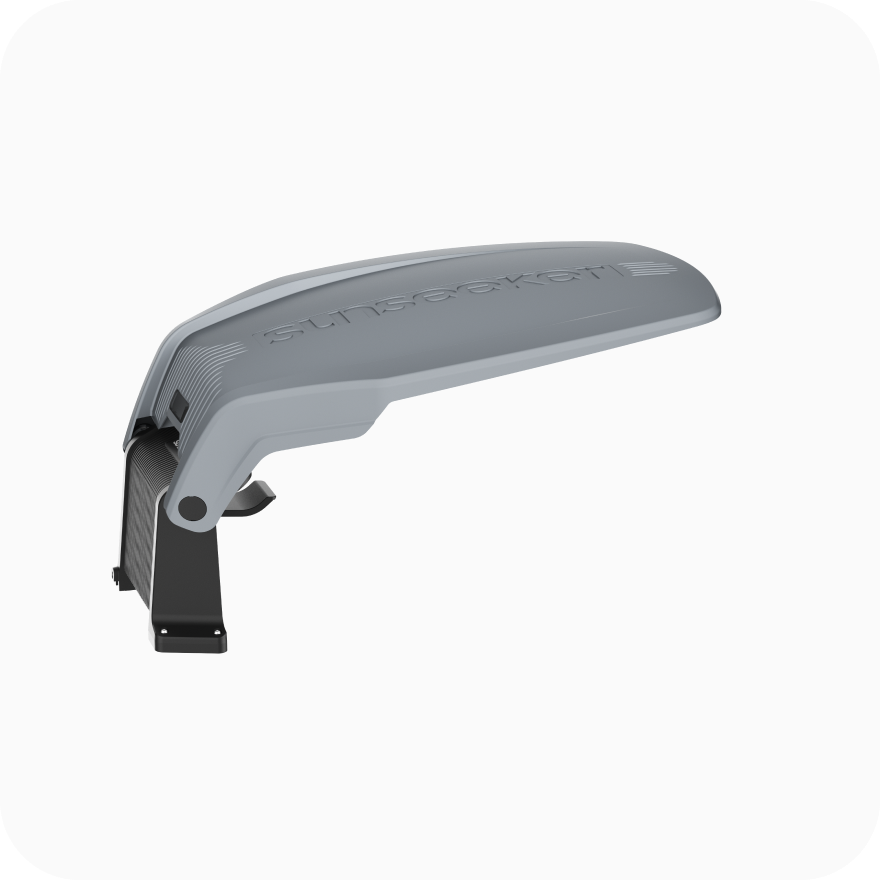
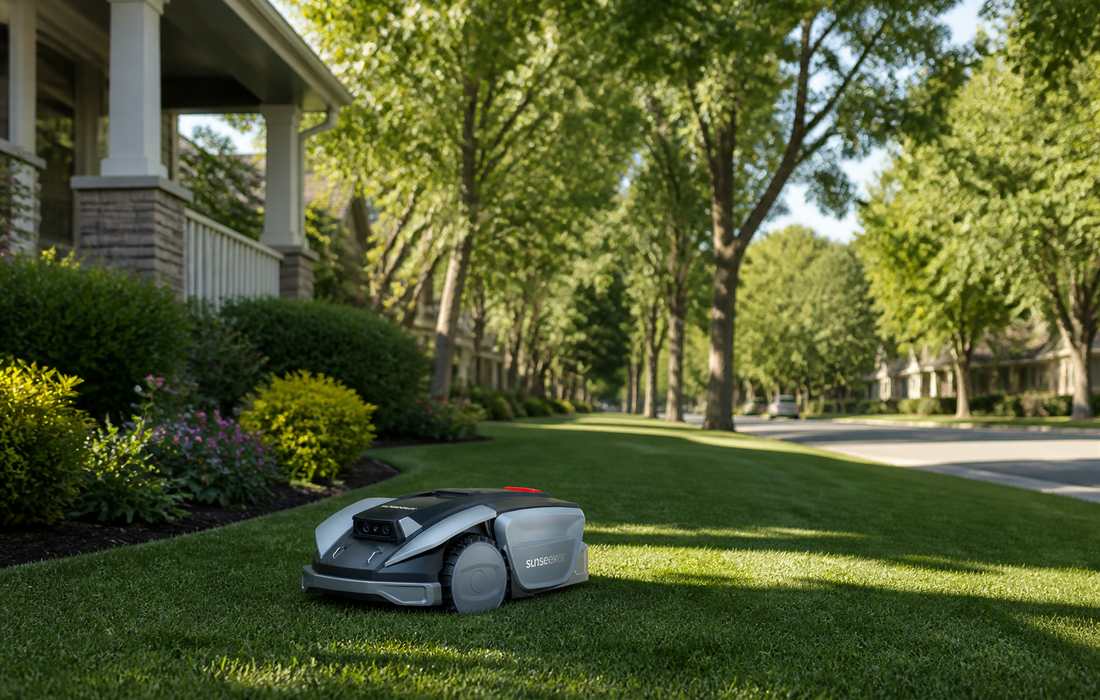
Once the turf is growing again, keep the cutting height the same from week to week, so any change belongs to the lawn and not to the mower. The Sunseeker S5 is designed for yards up to about 1,600 m², and its floating cut system is built to hold that height over uneven ground.

Conclusion
Dethatch when the measured layer becomes excessive, not simply because another year has passed. Check several areas and distinguish thatch buildup from soil compaction before deciding what your lawn needs. Grass clippings are not the source of thatch: Robot Mowers with Mulching Blades trim little and often, leaving fine clippings to settle into the lawn and decompose. If thatch keeps returning, review your feeding and watering habits to address the conditions behind the buildup.
FAQ
Does Mulching Grass Always Increase Thatch?
No. Thatch is built from stems and roots; leaf clippings break down far too fast to add to it. Trouble starts when you take off too much at once: long clumps sit on the canopy and smother it. That is a clipping-management problem, not true thatch, and it clears up once you mow more often.
Can You Dethatch Twice in One Growing Season?
Almost never on a home lawn. A dethatcher thins the turf while it works, so a second pass is worth considering only after you have measured what is left and confirmed the grass has come back. If the first pass took off too much, going again opens bare soil and stretches recovery over the rest of the season.
How Long Should a Lawn Recover After Dethatching?
A light pass may show new growth within 1-3 weeks in good conditions, while stripping out a lot of material can mean several weeks plus overseeding. How long it takes comes down to grass type, temperature, moisture, and how much turf was disturbed. Hold off on normal mowing until the new grass is anchored.