If you live in a quiet neighborhood and want to avoid disturbing the peace on weekdays or weekends, understanding lawn mower sound levels can help you mow your lawn smoothly. Many homeowners don’t realize how much noise they’re exposed to during routine yard work.
If you’ve ever wondered how many decibels is a lawn mower, you’ve come to the right place. In this article, we’ll guide you through lawn mower decibel levels, what makes them noisy, and how to manage them effectively, ensuring your lawn care routine remains both efficient and considerate.
Average Lawn Mower Decibel Levels by Type
The noise produced by a lawn mower can vary depending on its design, cutting system and power source. Each type produces different decibel levels, which directly affect your comfort and that of your surroundings. To help you understand this better, here’s a breakdown of the average decibel levels for different types of lawn mowers:
This is usually the first type that comes to mind when people ask how many db is a lawn mower, mainly due to its noticeably loud performance. Gas-powered models typically produce between 85 and 95 dB, as their combustion engines create strong vibrations and a steady, powerful noise during operation.
Electric mowers are a quieter alternative, offering sound levels between 70 and 85 dB for both corded and battery-powered types. Without a combustion engine, the noise feels smoother and more controlled, which reduces the overall lawn mower decibels and makes them more suitable for residential areas.
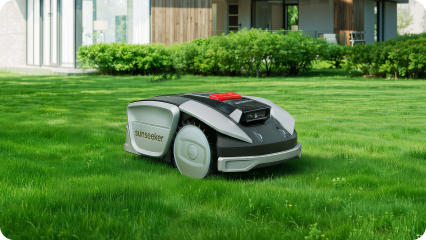
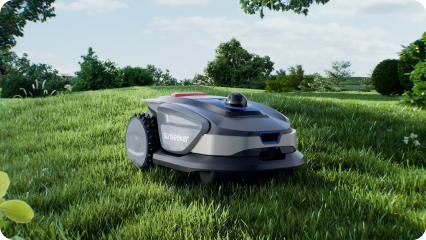
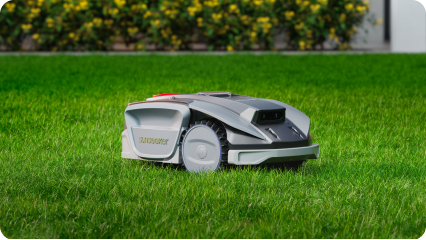
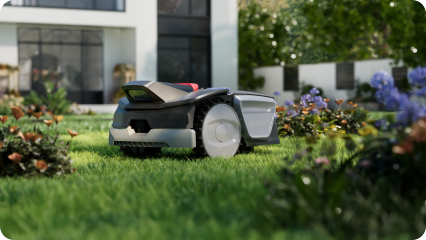
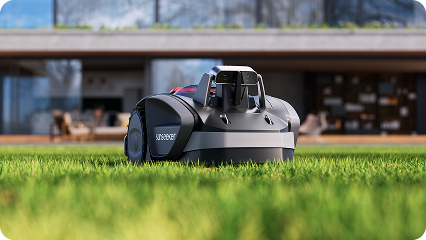
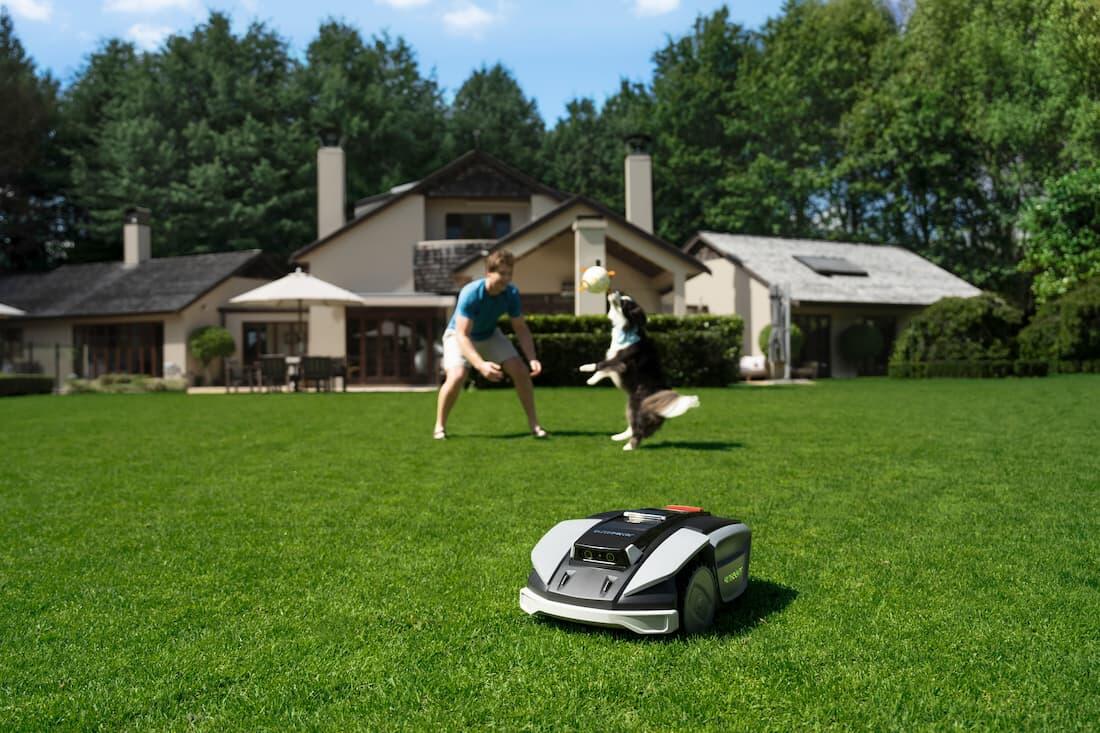
Many homeowners prefer robot mowers because they are one of the quietest options available. Operating at around 55 and 65 dB, these machines use advanced low-noise technology to reduce the decibel level of lawn mower compared to traditional models, allowing them to run continuously without disturbing daily activities or nearby households.
Due to their larger engines and higher power capacity, riding lawn mowers usually generate between 90 and 100 dB. Although they are designed for larger lawns, their size and strength also contribute to a louder operating sound.
Why Are Lawn Mowers So Loud?
Lawn mower noise doesn’t just happen without reason. It is caused by a combination of mechanical and environmental factors. Knowing these factors can help you to figure out why some machines are louder than others:
- Blade Design and Condition
Modern mower blades are increasingly designed to be flatter and thinner to help reduce noise levels. However, when blades become dull or unbalanced, the engine has to work harder, resulting in increased vibration and sound output during mowing.
- Higher Revolutions Per Minute (RPM)
The speed at which the engine and blades rotate has a significant impact on noise production. Higher revolutions per minute mean faster movement, which leads to louder sound levels. While high RPM improves cutting performance, it also increases the overall noise generated during operation.
- Engine Size and Power Output
Larger engines, which are commonly found in gas and some electric mowers, tend to be noisier because they generate greater power. This extra power helps handle thick or uneven grass more efficiently, but it also raises the lawn mower db level, especially during heavy-duty use.
A mower’s deck size can also influence how sound travels. Larger decks tend to amplify mechanical vibrations, which can increase noise levels, often ranging between 86.4 and 96.4 dB. The wider surface area allows sound waves to spread more easily during operation.
- Build Quality and Materials
The materials used to make a lawn mower can have a significant impact on how noisy it is. Cheaper models made with thin or lightweight materials tend to vibrate more, creating additional noise. In contrast, high-quality lawn mowers are built with better insulation, quieter motors, and vibration-dampening designs to help minimize noise.
When Does Lawn Mower Noise Become Unsafe?
Lawn mowers that produce 85 dB or higher can be dangerous and cause hearing loss, especially if you use them often. For example, mowing your lawn for 2–3 hours using a gas-powered or riding mower, which can reach around 95 dB, may start to affect your hearing if done without proper ear protection, especially with repeated exposure.
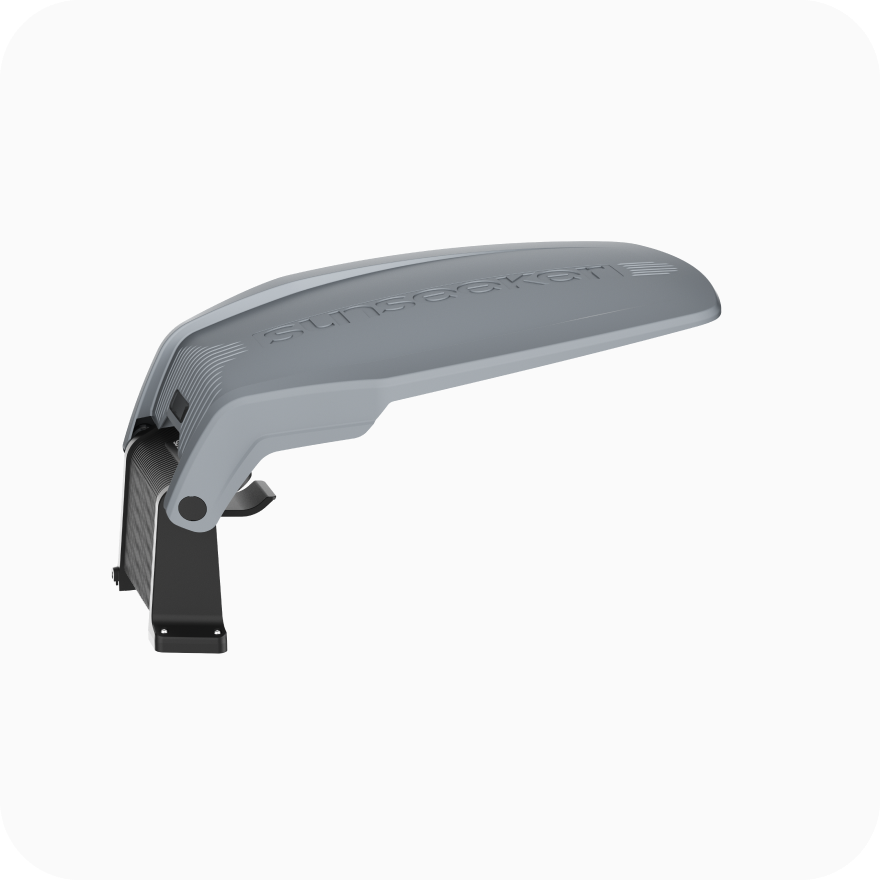
To reduce this risk, it's a good idea to consider options such as the Sunseeker S3 robot lawn mower. It can operate quietly (less than 60 dB), cut through dense grass and cross uneven terrain with a floating cut system, and uses AI vision technology to detect over 360 obstacles. Choosing a low-noise mower like this can help protect your hearing while still keeping your yard in great shape.
How to Reduce Lawn Mower Decibel Level?
Reducing lawn mower noise is easier with small changes in how and when you mow, along with choosing the right equipment. If you are wondering what time can i legally mow my lawn, check your local noise ordinances first, as permitted mowing hours can vary by city or neighborhood. Here are some simple ways to lower your mower's decibel level:
- Mow Under the Right Conditions
If you are asking what time can i start mowing my lawn, consider both local noise rules and grass conditions before choosing a mowing time. Try to mow when the grass is dry and at a manageable height. Wet or overgrown grass makes the mower work harder than usual, which increases strain on the engine and results in louder operation.
- Perform Regular Mower Maintenance
Clean your mower after each use to prevent grass clippings from building up under the deck or around the blades. This helps the machine run smoothly, reducing unnecessary noise caused by friction and imbalance.
- Upgrade to a Robotic Lawn Mower
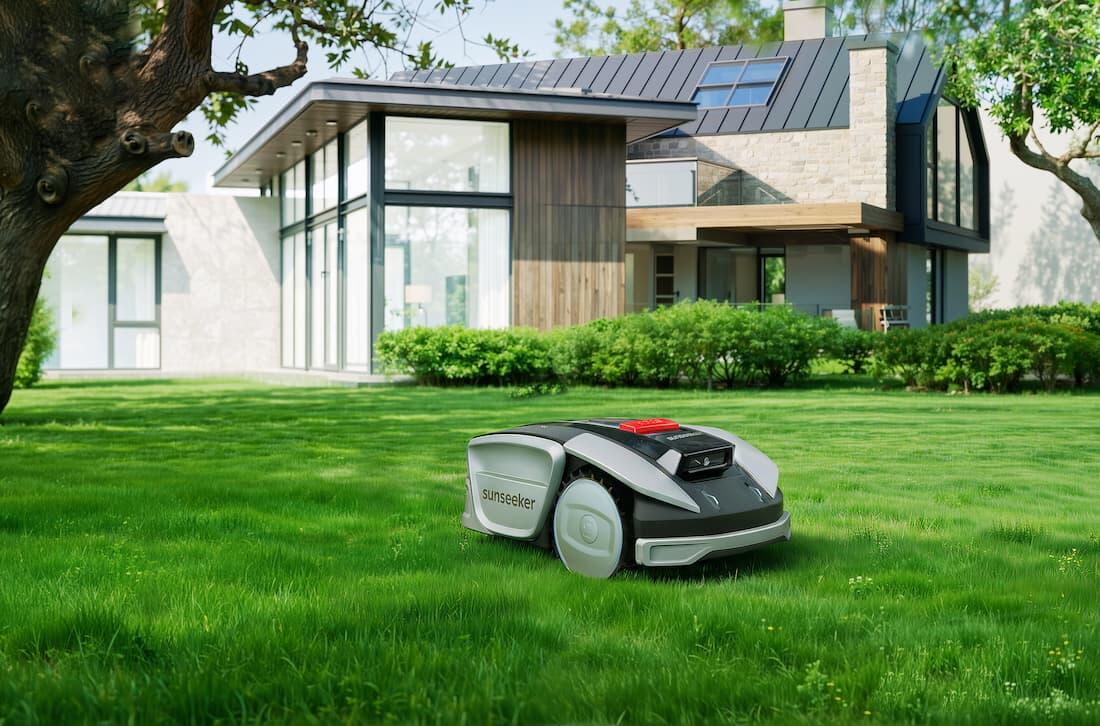
One of the most effective ways to reduce lawn care noise is to switch to a robotic mower. Models like the Sunseeker S4 are designed for low-noise operation at ≤60 dB, which is significantly quieter than traditional gas mowers. This lower decibel level makes it suitable for early morning or evening use without disturbing others.
Conclusion
Understanding how many decibels is a lawn mower allows you to make smarter choices for both comfort and safety. The noise levels can vary depending on the type of mower and how you use it, but they can still be managed with the right approach. To make lawn care easier and less stressful, choose quieter models (ideally under 85 dB). Also, remember to maintain them regularly and use them carefully.
FAQs
Is 96 dB loud for a lawn mower?
Yes, 96 decibels is considered quite loud for a lawn mower and falls within the range where prolonged exposure may affect hearing. At this level, the sound is similar to a motorcycle or loud traffic. Using hearing protection is recommended, especially if your mowing sessions last longer than 30 minutes.
Do you need hearing protection for a lawn mower?
Hearing protection is recommended for most lawn mowers, especially gas-powered models that are more than 85 dB. If you are exposed to this level of noise over a long period of time, it can gradually start to affect your hearing. Wear earplugs or earmuffs to protect your hearing and make mowing more comfortable.
Is it illegal to mow your lawn at 7 am?
The time you mow your lawn depends on the local noise rules, which are different in each city or neighborhood. Many areas allow people to start working in their yards between 7 am and 8 am, but some communities have stricter rules. It's also a good idea to check your local regulations, as this will help you avoid any complaints and keep the peace with your neighbors.