A healthy battery is essential for keeping your lawn mower ready to start and perform efficiently. Whether you own a traditional riding mower, a battery-powered model, or a robotic mower, understanding how long to charge a lawn mower battery can help prevent unexpected downtime and extend battery life. Charging time varies based on several factors, including battery type, capacity, charger output, and the battery's current charge level.
While some lithium-ion batteries can recharge in just a few hours, larger lead-acid batteries may require significantly more time to reach a full charge. Knowing the correct charging practices is just as important as knowing how long the process takes. In this guide, you'll learn typical charging times, the factors that affect them, warning signs of a low battery, and practical tips to keep your lawn mower battery in good condition between uses.
How Long Does It Usually Take to Charge a Lawn Mower Battery?
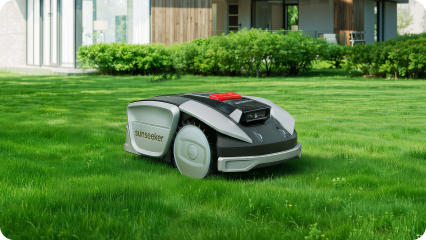
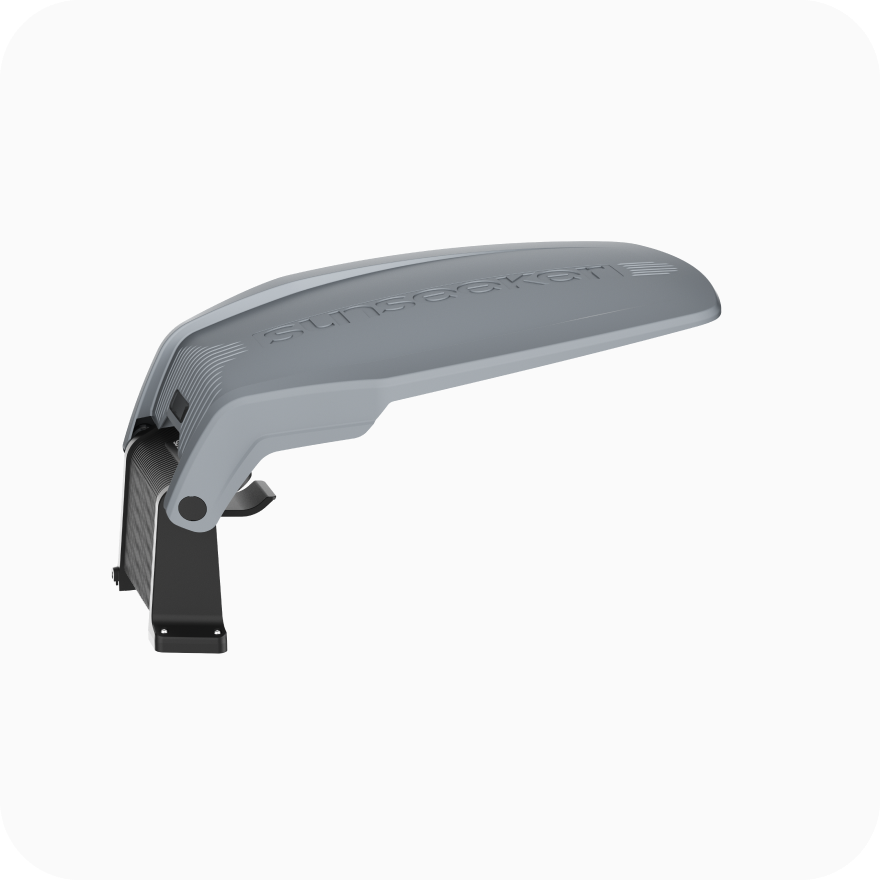
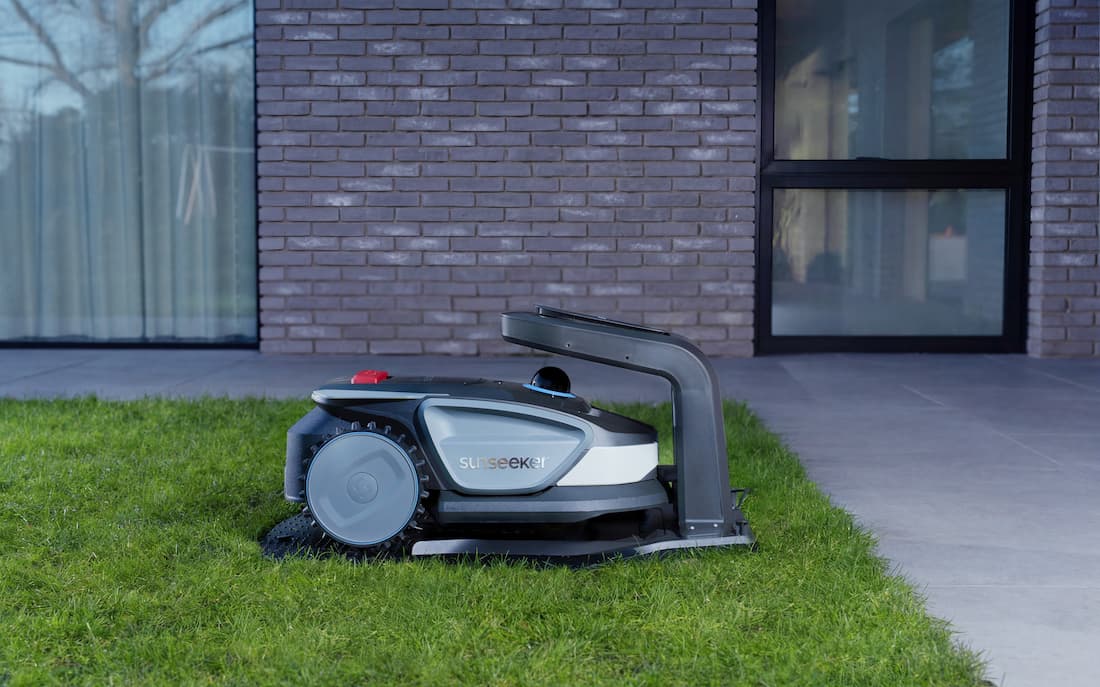
Determining how long to charge a lawn mower battery depends mainly on the battery type, capacity, and charger output. A standard 12V lead-acid battery typically takes 4 to 8 hours to reach a full charge when connected to a standard charger. Lithium-ion batteries, which are commonly used in modern electric and robotic lawn mowers such as the Sunseeker S3, generally charge much faster and may be fully charged within 1 to 2 hours. Gel batteries usually require slightly longer charging times, often taking between 5 and 8 hours, depending on their capacity and the charger's specifications.
What Affects Lawn Mower Battery Charging Time?
One of the most common questions homeowners ask is how long to charge lawn mower battery 2 amp settings. The answer depends on factors such as battery capacity, discharge level, battery condition, and charger efficiency.
- Battery Capacity (Ah): Measured in amp-hours (Ah), batteries with higher capacities store more energy and generally take longer to charge than smaller batteries.
- Depth of Discharge: A partially discharged battery requires less charging time than one that has been completely drained.
- Battery Condition: Aging batteries or those affected by sulfation may charge more slowly and may no longer reach their original capacity.
- Charger Output: Chargers with higher amperage can recharge a battery faster, while lower-amp chargers typically require more time.
- Charger Type and Efficiency: Smart chargers automatically reduce the charging rate as the battery nears full capacity to help prevent overcharging and extend battery life.
Signs Your Lawn Mower Battery Needs Charging
You do not have to wait until your lawn mower fails to start to know the battery is running low. Watch for these common warning signs:
- Slow Engine Crank: If the engine turns over slowly or requires multiple attempts to start, the battery may not be supplying enough power.
- Clicking Sounds: A rapid clicking noise when turning the key often indicates there is enough power to engage the starter solenoid but not enough to crank the engine.
- Dim Headlights: On riding mowers equipped with headlights, dim or flickering lights can signal a weakening battery.
- Low Multimeter Readings: A fully charged 12V battery typically measures between 12.6 and 12.7 volts when at rest. Readings around 12.4 volts or lower indicate the battery is partially discharged and should be recharged soon.
How to Charge a Lawn Mower Battery Step by Step
Once you notice these warning signs, the next step is to recharge the battery correctly so it can deliver reliable power again.
Prepare the Area: Move the mower to a dry, well-ventilated location away from sparks, flames, and other flammable materials.
Access the Battery: Turn off the engine, remove the key, and locate the battery, typically under the seat or hood. Inspect it for cracks, leaks, or excessive corrosion and clean the terminals if necessary.
Connect the Charger: Make sure the charger is switched off. Attach the red clamp to the positive (+) terminal and the black clamp to the negative (-) terminal.
Select the Charging Rate: Choose a low charging rate, usually around 2 amps, for a slower charge that helps protect battery health and reduce heat buildup.
Charge the Battery: Turn on the charger and allow the battery to charge until the charger indicates a full charge or automatically switches to maintenance mode.
Disconnect Safely: Unplug the charger from the power outlet first. Then remove the black (negative) clamp followed by the red (positive) clamp.
How Often Should You Charge a Lawn Mower Battery?
There is no fixed charging schedule for every lawn mower battery. If you use your mower regularly during the mowing season, the battery is often recharged while the engine is running, so additional charging may not be necessary. However, it is a good idea to check the battery voltage every few weeks and recharge it if it falls below 12.4 volts.
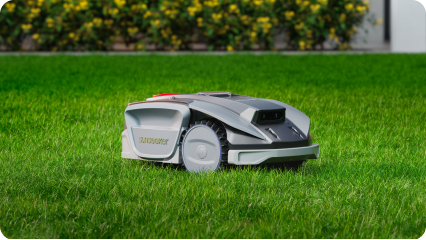
For mowers that sit unused for extended periods, the battery will gradually lose its charge. If the mower is stored for more than a month, especially during the off-season, consider using a battery maintainer or recharging the battery every 30 days to help prevent sulfation and maintain battery health. For robotic lawn mowers such as the Sunseeker S5, following the manufacturer's charging and storage recommendations can help maintain battery performance during periods of inactivity.
Tips to Help Your Lawn Mower Battery Last Longer
Proper maintenance can extend the life of your lawn mower battery, improve reliability, and reduce the risk of unexpected starting problems. Follow these tips to keep your battery in good condition for as long as possible:
- Use a Smart Charger: A smart charger or battery maintainer helps prevent overcharging by automatically switching to a maintenance mode once the battery reaches a full charge.
- Keep the Terminals Clean: Inspect the battery terminals regularly and remove any corrosion with a wire brush. Applying a small amount of petroleum jelly can help protect the terminals and maintain a strong electrical connection.
- Avoid Excessive Discharge: Frequently allowing a battery to become completely drained can shorten its lifespan, particularly for lead-acid batteries. Recharge the battery before it becomes fully depleted whenever possible.
- Store the Battery Properly: Keep the battery in a cool, dry location away from excessive heat, moisture, and extreme cold. Stable storage conditions help preserve battery performance and longevity.
- Perform Regular Inspections: Check the battery casing periodically for signs of swelling, cracks, leaks, or other damage. If you notice any of these issues, replace the battery promptly to avoid potential safety risks and performance problems.
Conclusion
When considering how long to charge a lawn mower battery, most lawn mower batteries need between 4 and 8 hours to fully charge, though lithium-ion models often require less time. Charging speed depends on battery capacity, charger output, and how much charge remains. A low-amp charger takes longer but is generally gentler on the battery and can help support long-term performance.
FAQs
How long should you leave a battery charger on a lawn mower battery?
Charging time depends on the battery type and charger amperage. A standard 12V lead-acid battery typically requires 4 to 8 hours for a full charge. If using a 2-amp charger, a fully drained 28-35Ah battery usually takes 6 to 9 hours. You can estimate the duration by dividing battery capacity (Ah) by the charger's amperage. Always monitor manual chargers or use a smart charger with auto shut-off.
Can a dead lawn mower battery be recharged?
Yes, a dead battery can often be recharged if it was simply depleted from sitting. However, deeply discharged or older batteries may require 12 to 24 hours to recover. If a battery has permanent sulfation from being left uncharged for months, restoration becomes highly unlikely. Additionally, if the battery shows physical damage like cracks or swelling, it cannot be safely recharged and must be replaced.
Can you overcharge a lawn mower battery?
Yes, you can overcharge a battery, which can lead to permanent damage. Leaving a manual charger connected for too long may cause the battery to overheat, leak acid, or lose capacity. In lead-acid batteries, overcharging can boil away the electrolyte. To avoid this, it is recommended to use a smart charger or battery maintainer that automatically switches to a safe trickle mode once the battery is full.