A newly seeded lawn can look unchanged for several days, then show tiny green shoots in one section while another area remains bare. That uneven start is common because seed mixtures contain species that germinate at different speeds, and the soil surface rarely has identical moisture and temperature everywhere.
The useful question is not simply when the first blade appears. How long to grow a lawn from seed really means three things: when seedlings have roots, when a thin area should be reconsidered, and when the grass can take its first cut. Those stages let you judge progress without disturbing seed that is still developing.
How Long Does Each Grass Type Take to Sprout?
Grass seed germination times vary across cool-season and warm-season varieties. Cool-season grasses generally sprout best in mild temperatures, while warm-season grasses need warmer soil. The table below shows typical germination times for common lawn grasses.
| Grass Type |
Season Type |
Typical Germination Time |
What to Expect |
| Perennial ryegrass |
Cool-season |
5-10 days |
Often the first grass to show visible shoots |
| Tall fescue |
Cool-season |
7-14 days |
Germinates relatively quickly and develops strong roots |
| Fine fescue |
Cool-season |
7-14 days |
Timing varies among fine fescue varieties |
| Kentucky bluegrass |
Cool-season |
14-30 days |
Slower to emerge, especially in cooler soil |
| Bermudagrass |
Warm-season |
7-21 days |
Germinates faster in consistently warm soil |
| Zoysiagrass |
Warm-season |
10-21 days |
Seedlings emerge before the grass begins spreading |
| Centipedegrass |
Warm-season |
14-28 days |
Germination and early establishment can be slow |
| Bahiagrass |
Warm-season |
14-28 days or longer |
May germinate unevenly due to seed dormancy |
For seed mixtures, faster-germinating grasses may appear while other varieties are still developing. Check the seed label to identify the species you've planted and compare their progress with the expected timeline. St. Augustinegrass is usually established from sod or plugs, so it is not included in the table.
What Is the Difference Between Germination and an Established Lawn?
A seed passes through several stages before it behaves like turf that can be walked on and mowed. Seeing one stage does not mean the next has finished.
Seed Germination
Germination begins when the seed absorbs water and the embryonic root breaks through the seed coat. The seed is growing at that point, but it is not yet a plant that can survive drying out, which is why the next week or two matters more than any other. Keep the seed zone evenly moist and off limits to rakes, feet and heavy hose streams.
Visible Seedlings
The first leaf emerges after the root begins to develop, and it looks more like a green thread than a blade of grass. The surface greens up as more seedlings arrive, but gaps persist where seed contact, shade or moisture differed. Resist adding seed in that first week. Check the label against your planting date and find the slowest species in the mix.
Root Development and Turf Coverage
After leaves appear, roots continue to grow and anchor the seedlings. Coverage improves as plants produce additional leaves and begin to occupy nearby space. A lawn may look green after two or three weeks but still have shallow roots. A stronger stand can take six to eight weeks or longer, depending on species, temperature, and the amount of growing time before heat or frost.
What Changes How Fast Lawn Seed Grows?
The same seed mixture can germinate at different speeds in two parts of a yard. These conditions explain most delays and uneven patches.
Soil Temperature
Grass seed responds to soil temperature, not to the air temperature on a weather app. Many cool-season grasses germinate well when the soil temperature is roughly 10–21°C, though the preferred band differs by species and tall fescue and perennial ryegrass generally want warmer soil than some Kentucky bluegrass varieties. Measure near seed depth after an unusually cold or hot spell.
Surface Moisture
Seed needs water to start germination. If the upper 6 mm of soil dries repeatedly, germination can pause or seedlings can die. Use a fine spray that moistens the surface without moving seed. Once roots deepen, gradually reduce watering frequency and increase the amount per session so moisture reaches farther into the soil.
Seed-to-Soil Contact
Seed sitting on thick thatch, leaves or loose clippings may get plenty of moisture and still be disconnected from the soil. Rake the debris away first. Then firm the surface into a fine seedbed, press the seed in with a roller or the back of a rake, and cover only as deeply as the species directs; many lawn grasses need light and should not be buried.
Seed Quality
The label lists purity, germination percentage, species and test date. Seed that has spent a summer in a hot or humid shed can test lower than fresh seed kept cool and dry, and a mix weighted toward slower species will behave differently from a straight ryegrass bag. Buy enough for the labeled rate and keep the tag until the lawn is in.
How Can You Tell Whether New Grass Is Establishing Normally?
Look for progress across the seeded area rather than judging one small patch. These signs help distinguish normal variation from a problem that needs attention.
New shoots appear in most prepared areas within the expected species window.
Seedlings develop additional leaves rather than remaining as tiny threads.
The soil surface stays moist during germination without puddles or washed-out channels.
Gentle tugging on a few representative seedlings shows increasing resistance as roots develop.
Bare areas can be traced to a clear cause, such as seed washout, shade, or poor soil contact.
The green coverage expands from week to week instead of remaining unchanged.
If a section has not sprouted after the slowest species' expected window, inspect it before reseeding. Scratch the surface lightly to see whether seed remains, check whether the soil is dry or waterlogged, and compare its sunlight with the rest of the lawn. A targeted repair is usually more efficient than reseeding the entire area.
When Can You Mow Newly Seeded Grass?
New grass is ready for its first mow when the seedlings are firmly rooted and tall enough for their recommended cutting height. For many cool-season grasses, the first cut can take place around 8-10 cm. Warm-season grasses often have lower mowing heights. For example, newly seeded Bermudagrass may be ready at around 2.5-5 cm, while other varieties should follow their specific height recommendations.
Gently tug on a few seedlings to check their roots. If they lift easily, allow more time for establishment. Use a lightweight mower with sharp blades, cut when the grass and soil are dry, and remove no more than one-third of the blade height.
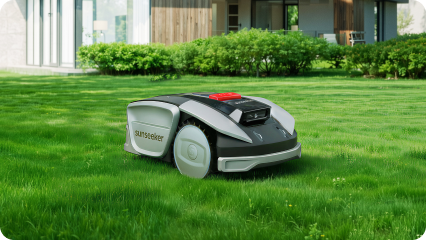
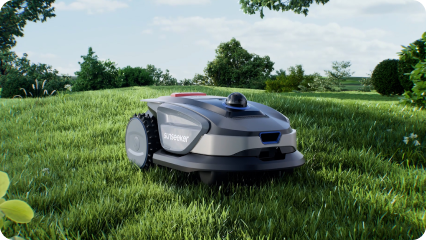
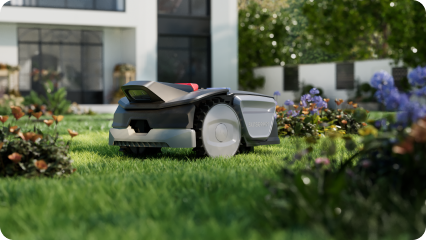
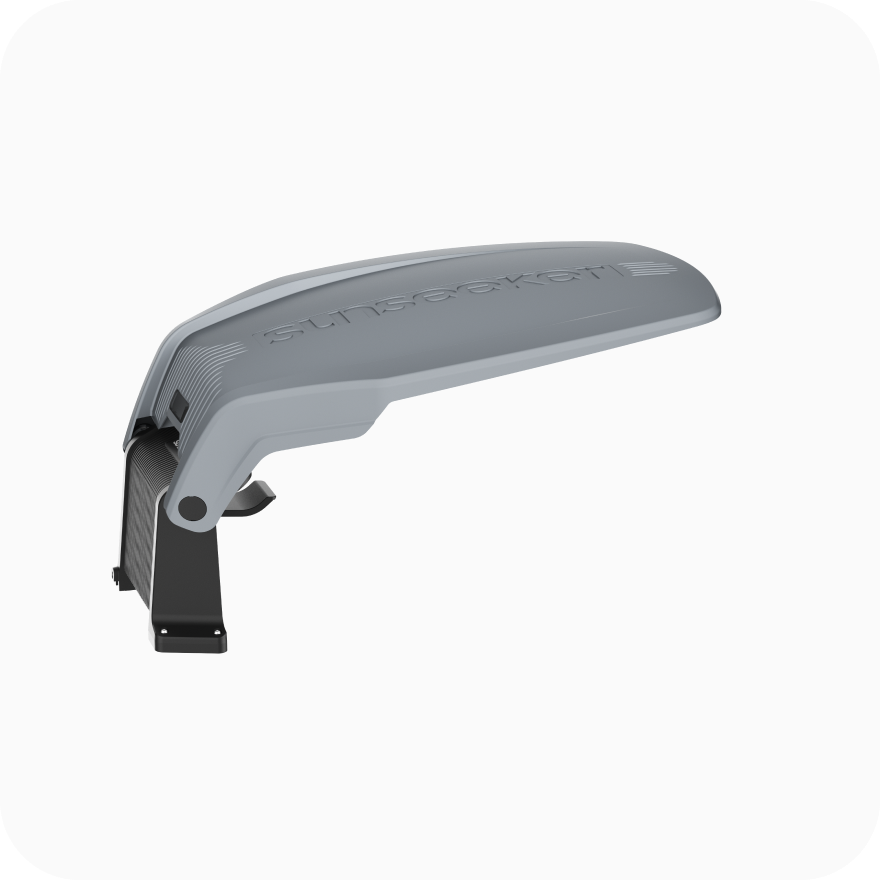
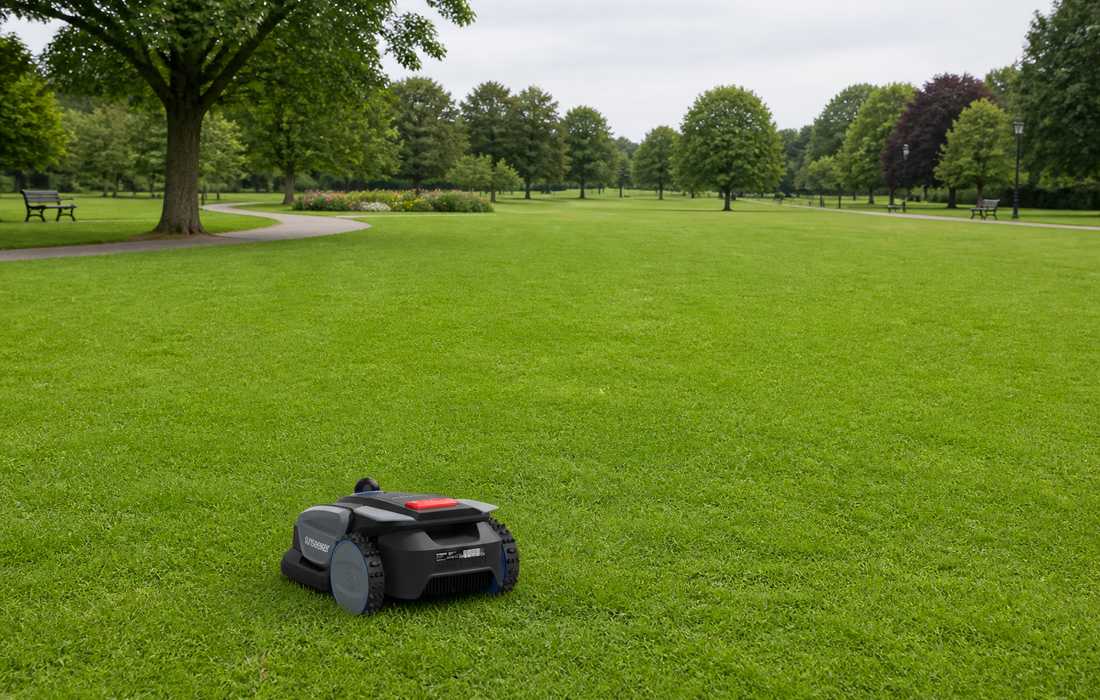
Once the lawn can handle routine cutting, Robot Lawn Mowers can help maintain consistent grass height through frequent, light trims. Keep any thin or newly reseeded areas outside the mowing schedule until they are firmly established.
The Sunseeker S4 also offers wire-free setup without a perimeter cable or antenna. Its virtual boundaries allow you to configure mowing areas without laying wires across newly established turf.
Conclusion
Grass seed growth takes time, and the timeline varies between cool-season and warm-season varieties. Use the seed label to estimate germination time, maintain consistent soil moisture, and allow seedlings to develop strong roots before their first mow.
If bare patches remain after the expected germination period, check soil moisture, seed-to-soil contact, and growing conditions before reseeding. Proper care during these early stages helps new grass establish more evenly and develop into a healthy lawn.
FAQ
Why Do Some Lawn Areas Sprout Later Than Others?
Because the surface is never uniform. Within a metre or two, one patch can be warmer, damper or better pressed into the soil than the next, and a sunny moist spot runs days ahead of a shaded one. Look at what differs before you reach for more seed; the slow area is often still inside its normal window.
When Should You Reseed Areas That Have Not Sprouted?
Wait until the longest germination window in the mix has passed, often about 3 to 4 weeks where Kentucky bluegrass is involved. Then look at why: washout, dry soil, or seed sitting on debris rather than in contact with it. Reseed only the areas that actually failed, at the label rate.
How Long Should You Wait Before Walking on New Grass?
Keep routine foot traffic off the area until seedlings are anchored and have been mowed at least once or twice. That often means about 4 to 6 weeks after emergence in good growing conditions, but slow growth can extend the period. Use temporary access paths if the lawn must be crossed.