A reliable lawn mower battery is key to starting your mowing season without frustration. But do you know how long do lawn mower batteries last? The answer isn't one-size-fits-all; it depends on factors like battery type, usage, and maintenance. Without proper care, you could end up with a dead battery right when you need it most.
In this guide, you'll learn what affects battery lifespan, how to maintain it properly, and how to spot signs of wear. To begin, let's take a closer look at how long lawn mower batteries really last.
How Long Should a Lawn Mower Battery Last?
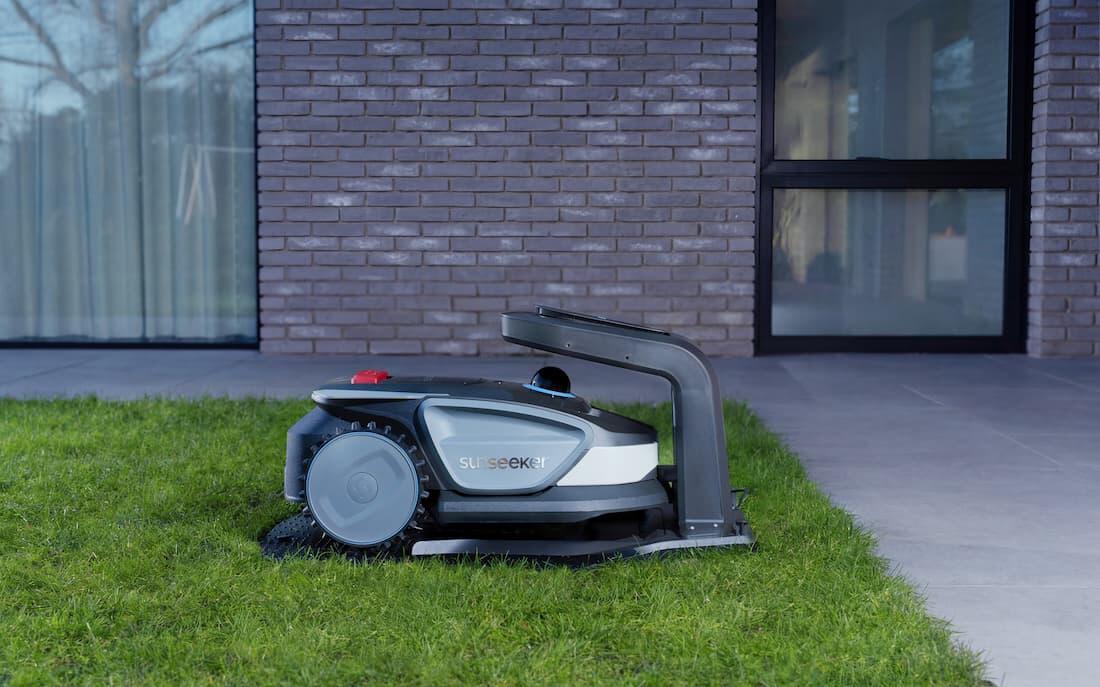
Most batteries typically last 3 to 5 years, depending on type, usage, and maintenance. Lead-acid batteries usually last around 2 to 4 years, while lithium-ion batteries can last 5 years or more with proper care.
Factors like extreme temperatures, inconsistent charging, and long periods of inactivity can impact how long a lawn mower lasts in real use. If your battery struggles to hold a charge or start the mower, it may be time for a replacement.
Types of Lawn Mower Batteries
Before maintaining your battery, it’s important to know which type you have, as it affects performance and overall lawn mower life expectancy. The most common types include the following:
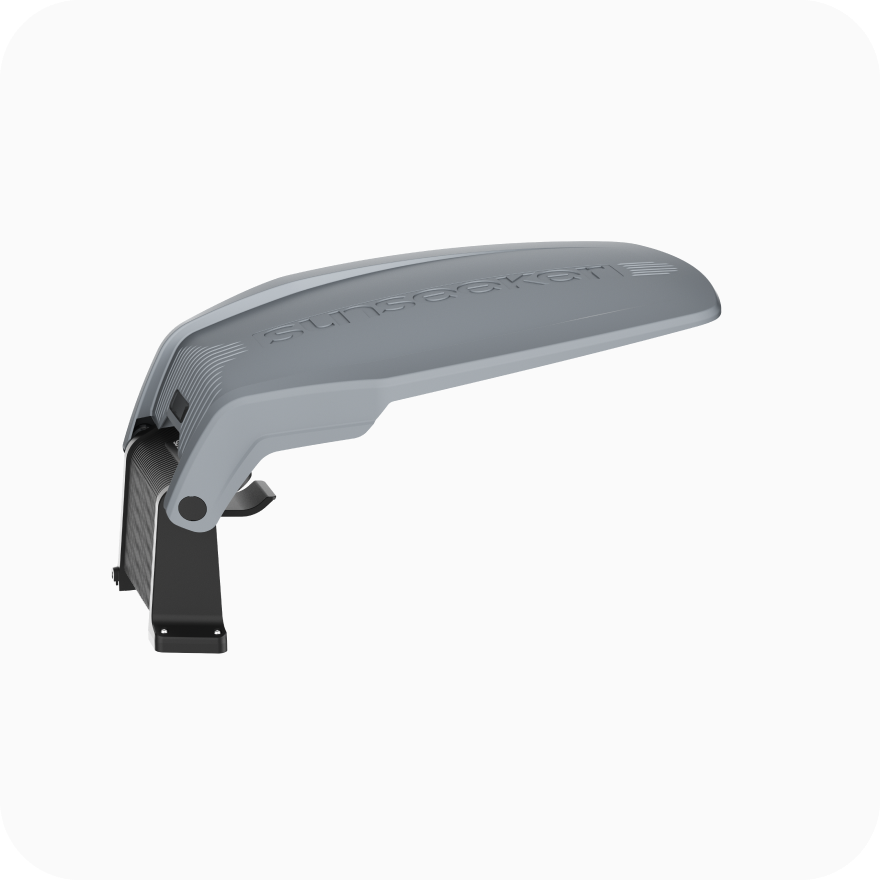
1.Lithium-ion (Li-ion): Lightweight, efficient, and low-maintenance. They are widely used in cordless mowers, such as the Sunseeker S4 with its 20V 4Ah battery, offering reliable performance and solid runtime for everyday lawn care.
2.LiFePO4 (Lithium Iron Phosphate):An advanced lithium option with exceptional durability and safety. These can last 10+ years or over 2,000–3,000 charge cycles, with better heat tolerance and stability. Often found in premium models, they cost more but deliver excellent long-term value.
3.Lead-acid batteries:Common in gas and riding mowers (12V), including:
- Wet flooded batteries:Require regular maintenance. Check electrolyte levels, top up with distilled water, and keep terminals clean and corrosion-free.
- AGM (Absorbed Glass Mat):Sealed and maintenance-free, but still requires proper charging and clean terminals.
No matter the type, regular charging, proper storage, and keeping the battery clean will help extend its lifespan.
What Factors Affect the Lifespan of Your Lawn Mower Battery?
Several key factors influence battery performance and overall lawn mower lifespan. Understanding them helps you get the most out of your investment:
- Battery quality and type:Higher-quality batteries, especially lithium-ion or LiFePO4, generally last longer than cheaper lead-acid options.
- Charging habits:Overcharging or fully draining the battery too often can shorten its life. Keeping lithium batteries between 20 and 80% charged is ideal.
- Usage frequency and conditions:Frequent mowing, thick grass, or wet conditions can strain the battery and increase wear.
- Temperature and storage:Extreme heat or cold can damage battery cells. Store in a cool, dry place.
- Maintenance:Clean terminals and regular checks help prevent damage and extend battery life.
Signs That Your Lawn Mower Battery Is Dead
Recognizing the warning signs early can help you avoid unexpected breakdowns, especially as you approach the average life of a lawn mower battery. Look out for these common indicators:
- Difficulty starting:Slow cranking, clicking sounds, or no response at all.
- Losing charge quickly:Battery drains fast, even after a full charge or while idle.
- Reduced mowing time:Power drops quickly during use.
- Dim lights or weak performance:Indicates low battery output.
- Corrosion or visible damage:Buildup on terminals or cracks in the casing.
- Low voltage readings:If you're wondering what voltage should a new lawn mower battery have, a fully charged 12V lead-acid mower battery typically reads around 12.6-12.8V at rest. A reading well below the recommended level may indicate that the battery needs charging or is beginning to fail.
If you notice one or more of these signs, your battery may be failing and need a replacement.
How to Deal With Old Batteries?
When your lawn mower battery reaches the end of its life, proper handling is essential for safety and environmental protection. Here are the best ways to manage old batteries:
- Recycle responsibly:Take your battery to a local recycling center or designated drop-off point. This ensures hazardous materials are handled safely.
- Use retailer programs:Many stores and manufacturers offer battery recycling or take-back programs for convenient disposal.
- Try battery exchange services:Some retailers allow you to return your old battery when buying a new one, often with a discount.
- Check local guidelines:Contact your local waste authority for specific disposal rules in your area.
Note: Never throw batteries in regular trash, as they contain harmful chemicals.
Tips for Extending Your Battery Lifespan
Proper care not only extends battery life but also improves overall mower performance in real use. Follow these simple tips to keep your lawn mower running efficiently and lasting longer.
1.Follow proper charging habits:If you're unsure how to charge a mower battery, start by using a charger that matches the battery type and voltage, and follow the manufacturer's recommended charging procedure. Avoid overcharging or deep discharges, and use a smart or trickle charger when appropriate, especially during storage.
2.Store correctly:Keep the battery in a cool, dry place. Fully charge lead-acid batteries before storage, while lithium batteries should be partially charged.
3.Keep terminals clean:Remove dirt and corrosion using a baking soda and water mix, and apply protection to prevent buildup.
4.Check connections and condition:Ensure cables are tight and inspect for cracks, leaks, or swelling.
5.Maintain electrolyte levels (if needed):For flooded batteries, top up with distilled water when necessary.
Conclusion
In summary, understanding how long do lawn mower batteries last helps you plan maintenance and avoid unexpected issues. Most batteries last 3 to 5 years, but proper care, charging habits, and storage can significantly extend their lifespan. Choosing the right battery type also plays a key role in performance and durability.
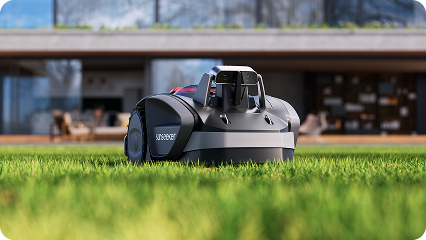
Modern options like the Sunseeker V3 , with its efficient lithium battery system, offer reliable power and longer-lasting performance for everyday lawn care. By following simple maintenance tips and recognizing early warning signs, you can keep your mower running smoothly and get the most value from your investment.
FAQs
How often should you replace a lawn mower battery?
You should replace a lawn mower battery about every 3 to 5 years, depending on the type and how well it's maintained. Lead-acid batteries may last around 2 to 4 years, while lithium-ion options can last longer. If your mower struggles to start or the battery no longer holds a charge, it's a clear sign that replacement is needed.
How do I know if my lawn mower needs a new battery?
You'll know your lawn mower needs a new battery if it shows clear warning signs. Slow cranking when starting, frequent recharging after each use, or trouble holding a charge are common indicators. You should also check for visible damage, such as corrosion, cracks, or swelling. Additionally, if your battery is around 3 to 5 years old, it may be nearing the end of its lifespan and due for replacement.
Is it safe to leave a lawn mower battery charging overnight?
It can be safe to leave a lawn mower battery charging overnight, but it depends on the charger. Modern chargers with an automatic shut-off feature stop charging once the battery is full, reducing the risk of overcharging. However, if you're using an older charger without this feature, it's not recommended, as it can overcharge the battery, damage it, and pose safety hazards.
Can a dead lawn mower battery be recharged?
Yes, a dead lawn mower battery can often be recharged using the correct charger. However, if it has been dead for a long time, it may not recover fully due to internal damage. After charging, if the battery still won't hold a charge or power the mower, it's likely worn out and needs to be replaced.