How Long Do Lawn Mower Batteries Last?
Typically, a quality lithium-ion battery in a well-maintained mower will last 3 to 5 years, which translates to roughly 300 to 500 full charge cycles. However, this is not a fixed guarantee. Its longevity is significantly affected by the battery's inherent chemical technology, the frequency and intensity of use, and perhaps most importantly, how it is cared for.
Over time, all rechargeable batteries experience a natural aging process where they gradually lose their ability to hold a full charge, a phenomenon known as capacity fade. This means that after a few seasons, a battery that once powered through your entire lawn might struggle to finish the job, signaling it's approaching the end of its useful life.
Types of Lawn Mower Batteries
Not all mower batteries are created equal. The chemistry inside the casing determines its weight, performance, cost, and longevity. Here are the main types you'll encounter.
1. Lead-Acid Batteries
These are the traditional, heavier batteries you might find in older riding mowers or some budget-friendly electric models. They are relatively inexpensive upfront but come with significant drawbacks. They are very heavy, have a slow charge time, and their performance degrades steadily over their lifespan.
They also require periodic maintenance, like checking water levels. For most homeowners, their use in modern push mowers has been largely phased out in favor of lighter, more powerful options.
2. Lithium-Ion (Li-ion) Batteries
This is the dominant battery technology in today's cordless electric mowers. Li-ion batteries offer a fantastic power-to-weight ratio, meaning they are much lighter and more compact than lead-acid batteries of comparable power. They charge much faster, have no "memory effect" (so you don't have to fully discharge them), and deliver consistent power throughout most of the discharge cycle. While more expensive initially, their performance and convenience make them the standard choice.
3. LiFePO4 Batteries
This is a specific, advanced type of lithium-ion battery (Lithium Iron Phosphate). LiFePO4 batteries are known for their exceptional durability and safety. They offer a dramatically longer cycle life, often exceeding 2000 cycles, meaning they can last many more years than standard Li-ion. They are also more stable at high temperatures and perform better in very cold weather. You'll typically find these in premium or commercial-grade mowers, as their upfront cost is higher, but their long-term value can be excellent.
When Is It Time to Replace Your Mower Battery?
A failing battery won't just stop working one day. It usually gives you plenty of warning signs. If you notice any of the following, it's likely time to start shopping for a replacement.
-
Physical Damage or Swelling: Inspect the battery case. Any signs of bulging, cracking, leaking, or corrosion on the terminals are serious red flags and potential safety hazards. Stop using it immediately.
The Best Battery Powered Lawn Mower
Here are some of the best battery-powered lawn mowers across different categories, each selected to match specific lawn sizes, performance needs, and budget levels.
Best Overall Performance: Worx WG745E 40V 41cm Cordless Lawnmower
For those seeking a reliable, well-built cordless mower with versatile features, the Worx WG745E 40V delivers impressive performance at a competitive price. Its dual 20V PowerShare batteries combine to create a 40V system that provides steady, powerful output comparable to some gas models. The brushless motor automatically adjusts power based on grass conditions, boosting performance when needed and conserving energy in lighter areas.
With six adjustable cutting heights and a slim 41 cm deck, it handles tight spaces with ease. It also offers both mulching and bagging options, supported by a generous 50L grass collection bag for a clean, polished finish.
Best for Small Lawns: LawnMaster CLMF2434G Cordless Lawnmower
For small lawns, the LawnMaster 24V 34cm cordless mower offers a compact and efficient solution. Powered by a brushless motor with intelligent power control, it automatically adjusts output based on grass height for optimal performance. Clippings can be collected in the 32L Redi-bag or mulched back into the lawn to return nutrients naturally.
Equipped with two MX 24V 4.0Ah lithium-ion batteries delivering 172Wh of power, it’s ideal for light to moderate mowing tasks. A foldable handle and collapsible collection bag ensure easy, space-saving storage.
Best for Large Lawns: EGO+ LM2236E-SP
Designed for large lawns, the LM2230E-SP features an extra-wide 55 cm cutting deck for efficient coverage of expansive gardens. Its self-propelled drive and automatic variable speed system make mowing smoother and less physically demanding. A redesigned quick-release aluminum folding handle allows fast, compact storage.
The kit includes a powerful 10Ah battery, capable of mowing up to 2,000 m² on a single charge. With six cutting height settings (25–100 mm) and the choice of mulching or using the large 80L collection bag, it delivers flexible, high-performance results—without the noise, fumes, or maintenance of gas.
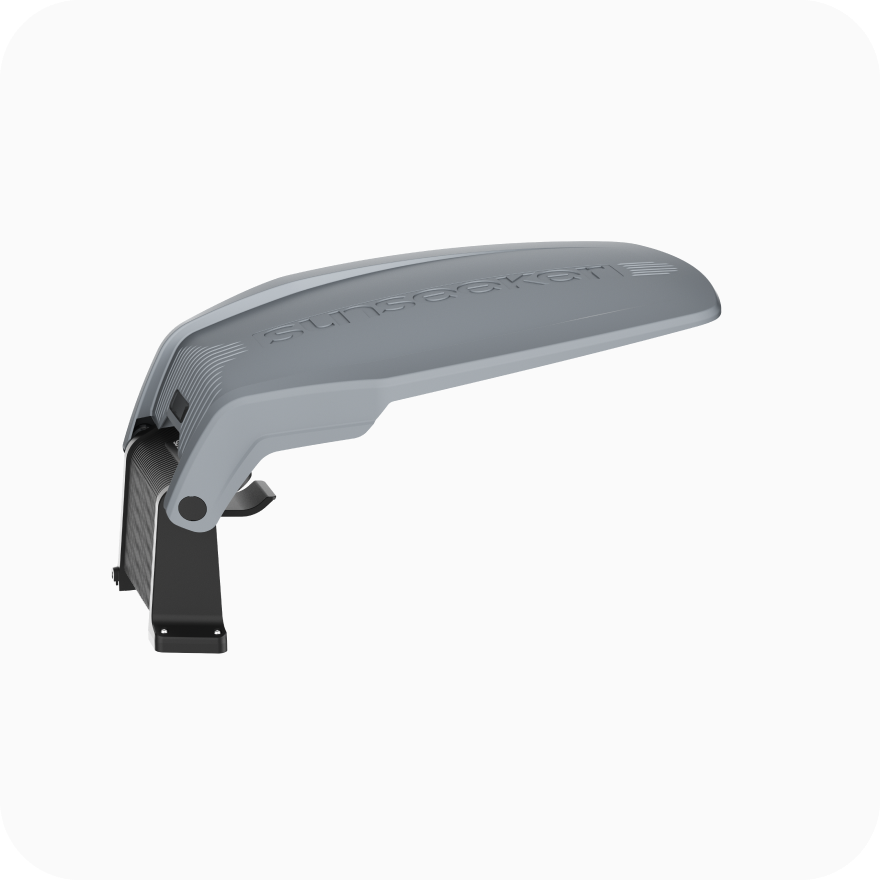
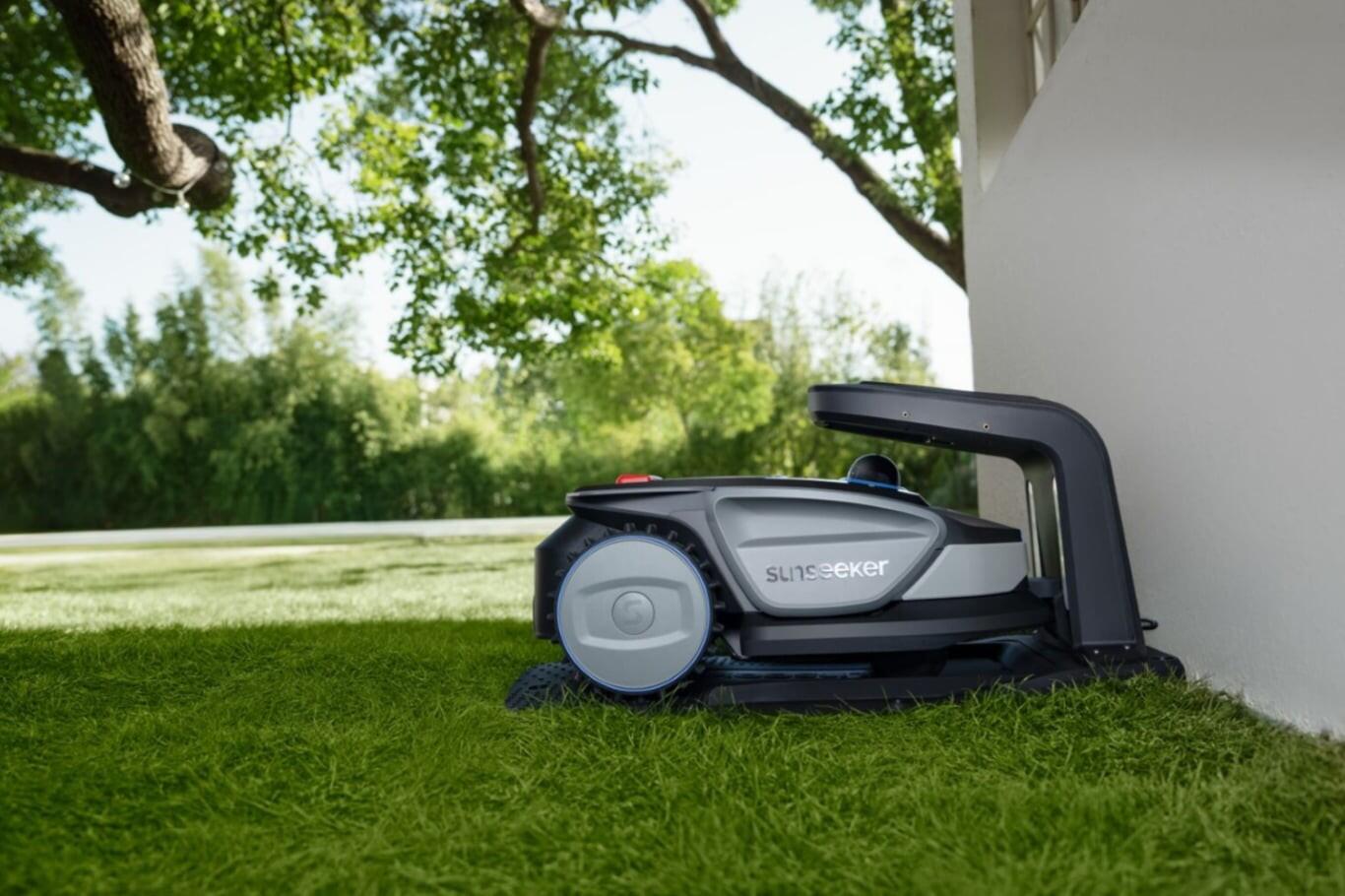
Best for Hands-Free Maintenance: Sunseeker S4 Robot Mower
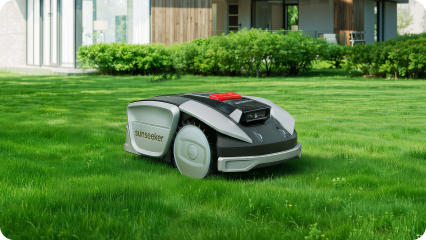
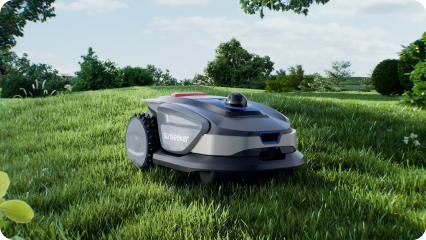
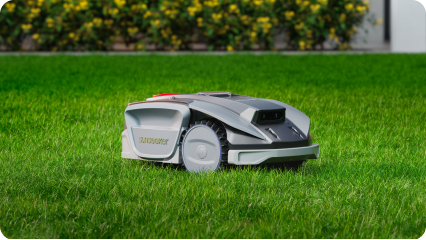
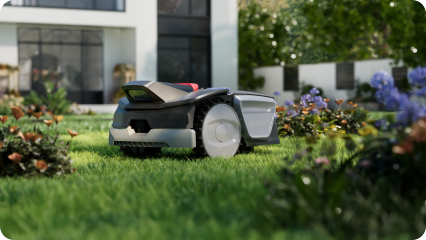
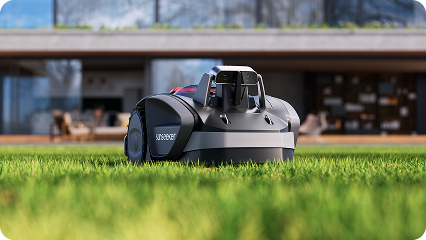
For homeowners seeking a truly hands-free mowing experience, the Sunseeker S4 delivers intelligent, precision-driven performance. Its high-accuracy 3D LiDAR generates dense real-time mapping data, achieving centimeter-level positioning and accurate awareness of complex surroundings. Combined with AI vision technology, it detects and avoids over 360 types of obstacles, ensuring safer, more precise cuts without missed areas.
Setup is simple, with no base station or boundary wires required; just connect to Wi-Fi, control everything through the smart app, and start mowing. Covering up to 1,000 m², with adjustable 20–60 mm cutting height, the S4 uses AI path planning to create clean, consistent stripes, even on irregular lawns.
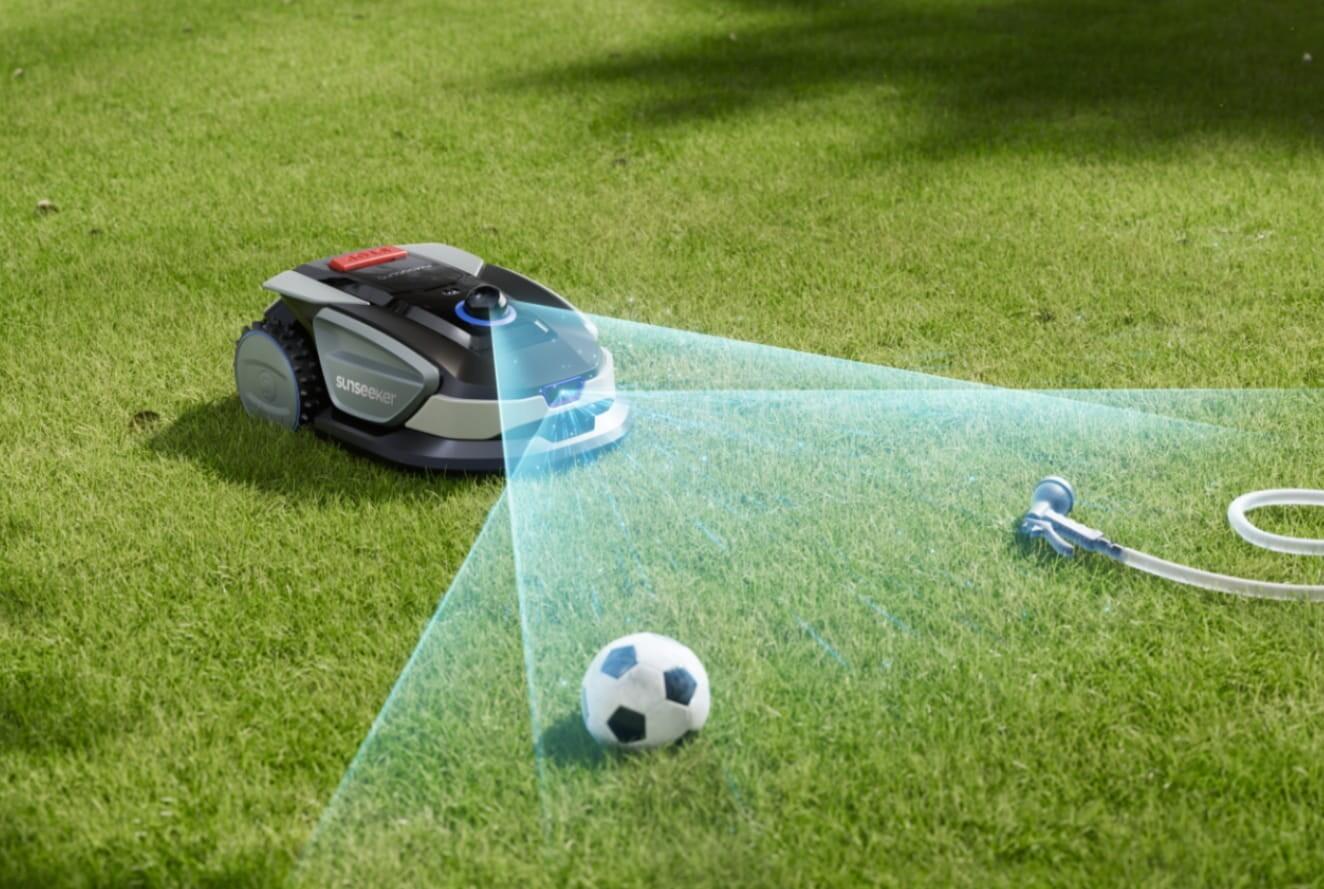
Sunseeker S4 with 3D LiDAR Fusion Sensing System
Best Battery-Powered Lawn Mowers: Comparison Table
|
Feature / Model
|
Worx WG745E 40V
|
LawnMaster CLMF2434G
|
EGO+ LM2236E-SP
|
Sunseeker S4 Robot
|
|
Ideal Lawn Size
|
Small to Medium
|
Small
|
Large
|
Medium
|
|
Power Source / Voltage
|
40V (Dual 20V batteries)
|
24V
|
56V (Single 10Ah Battery)
|
20 V (Lithium 4 Ah)
|
|
Cutting Width
|
41 cm
|
34 cm
|
55 cm
|
18 cm
|
|
Cutting Height Range
|
25–80 mm (6 positions)
|
20mm–70mm (6 positions)
|
25–100 mm (6 positions)
|
20–60 mm
|
|
Clippings Handling
|
Mulching & 50L Bagging
|
Mulching & 32L Bagging
|
Mulching & 80L Bagging
|
Mulching only (Robotic)
|
|
Key Technology
|
Brushless Motor, PowerShare System
|
Intelligent Power Control Brushless Motor
|
Self-Propelled Drive, Variable Speed
|
360° 3D LiDAR + AI Vision
|
|
Primary Advantage
|
Versatile, powerful, good value
|
Compact, lightweight, easy storage
|
High efficiency, wide deck, self-propelled
|
Fully autonomous, intelligent navigation
|
(Data sourced from official websites as of 26/02/2026 and provided for reference only)
How to Make Your Lawn Mower Battery Last Longer
Your habits have a direct impact on how long your battery lasts. Follow these best practices to squeeze every possible cycle out of it.
Follow Proper Charging Practices
Always use the manufacturer's designated charger. Avoid the habit of running the battery until the mower completely dies; lithium-ion batteries prefer partial discharge cycles. Similarly, you don't need to charge it to 100% after every single use for casual storage. For long-term winter storage, the ideal charge level is around 50%.
Avoid Extreme Temperature Exposure
Heat is the number one enemy of lithium-ion batteries. Never leave the battery sitting on a hot mower deck in direct sun. Cold is also harmful; avoid charging a battery that's just come in from freezing temperatures. Let it warm to room temperature first. Store and charge your batteries in a cool, dry place indoors whenever possible.
Store the Battery Correctly
If you won't be using your mower for a month or more (like over the winter), remove the battery from the mower. Clean the terminals with a dry cloth, and store it separately in that cool, dry place at a partial state of charge (40-60%). This minimizes stress on the cells during inactivity.
Keep the Battery Terminals Clean
Periodically check the metal contact points on both the battery and the mower. Dirt, grass clippings, or minor corrosion can create resistance, leading to poor connection, voltage drop, and inefficient charging. Gently clean them with a dry brush or a cloth slightly dampened with medical alcohol.
Maintain Your Mower's Cutting System
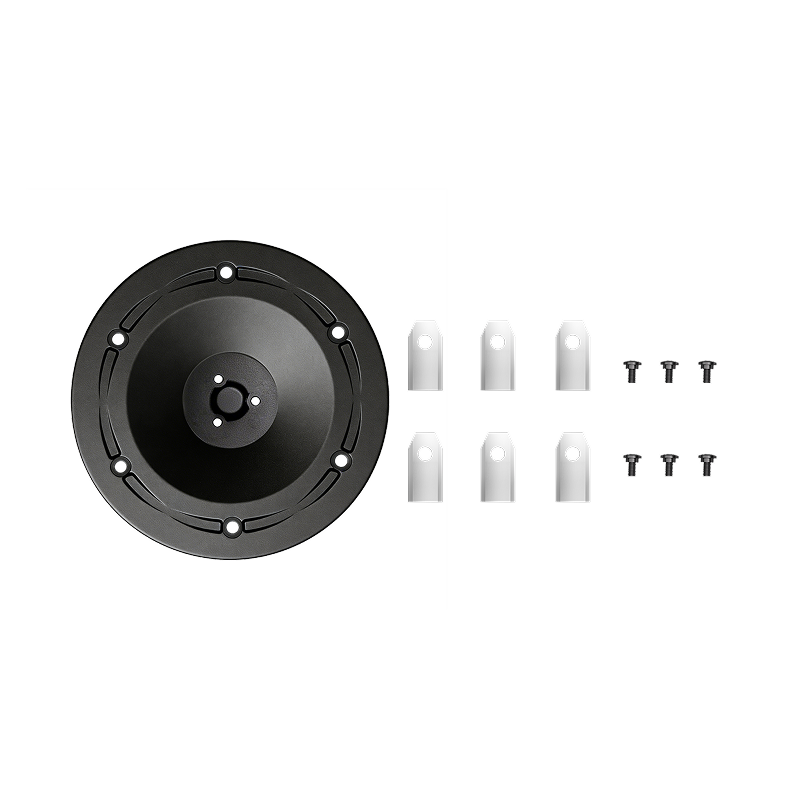
This is an often-overlooked way to help your battery. A sharp blade cuts cleanly with less resistance. A clean mower deck prevents grass clippings from building up and creating drag. When your mower's cutting system is efficient, the motor doesn't have to work as hard. Less strain on the motor means less demand on the battery, which can help extend both your runtime per charge and the overall lifespan of the battery pack.
Conclusion
So, how long does a lawn mower battery last? In most cases, a properly maintained battery can provide 3 to 5 years of dependable performance, influenced by usage habits, charging practices, and storage conditions. Consistent care not only protects your investment but also ensures your mower is ready whenever the lawn needs attention.
Choosing the right battery type, avoiding deep discharges, storing it correctly during the off-season, and monitoring signs of decline can significantly extend its service life. These simple steps help reduce long-term costs and maintain steady performance year after year.
For those seeking smarter energy management and fully automated convenience, advanced robotic models like the Sunseeker S4 are designed to optimize efficiency while reducing unnecessary battery strain.
FAQs
What are the main factors that shorten battery life?
Heat exposure, frequent complete discharges, and improper long-term storage (fully charged or empty) are primary factors. Using an incorrect charger and subjecting the battery to physical impacts or vibration can also accelerate degradation.
Can a weak battery damage my electric mower?
Yes. A failing battery can struggle to deliver consistent voltage, causing the mower's motor to strain and overheat. It may also trigger errors in the mower's electronic controller or prevent it from starting reliably.
Is it worth replacing the battery, or should I buy a new mower?
If the mower itself is in good condition and replacement batteries are readily available, swapping the battery is almost always more cost-effective. It's comparable to replacing the power source in a quality tool, extending its life for years.