Halloween decorations can take over a small garden faster than you expect. One skeleton by the gate, a ghost near the path, a few pumpkins by the door, and suddenly there is barely any room left to walk. On a bigger lawn, the opposite can happen and the whole display feels too empty.
The best scenes use the shape of the garden to their advantage. Paths, fences, trees, shrubs, and the front door can all become part of the setup. This guide shares 15 Halloween garden ideas for both small and large spaces, with simple ways to make the yard feel spooky, fun, and ready for the night.
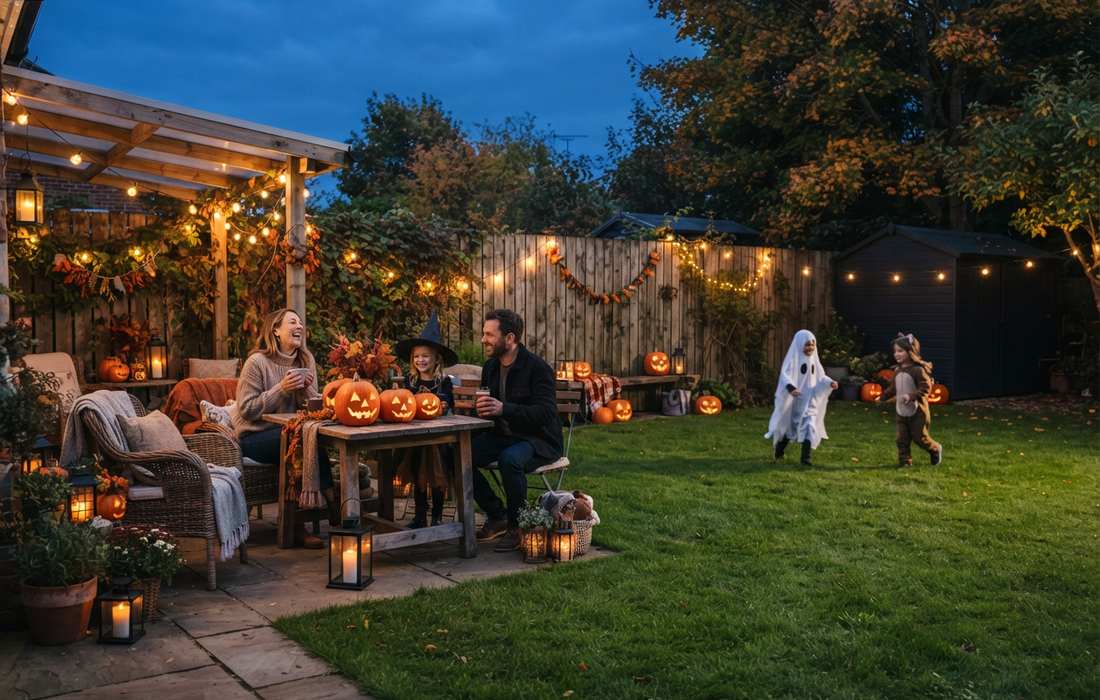
What Can You Create in a Small Front Garden?
Compact spaces look stronger when decorations use walls, doors, tables, and planting edges instead of filling the ground. Each idea below creates a clear focal point without blocking the route to the entrance.
Pumpkin Clusters and LED Lanterns
Group pumpkins in three sizes beside the door or along one side of the path, then weave a few LED lanterns through the cluster. A tight display has more visual weight than scattered pumpkins, while battery lights avoid long extension cords in a narrow entrance.
Hanging Ghosts and Window Silhouettes
Use height when ground space is limited. Hang lightweight ghosts from a porch beam or sturdy branch, and add removable bat or cat silhouettes to windows. Keep the doorway clear and hanging fabric above head level so it cannot brush visitors or costumes.
A Spooky Doorway and Treat Station
Turn the front door into the main scene with a wreath, temporary decals, two lanterns, and one small table for treats. Add a simple backdrop or black cloth behind the table rather than covering the lawn with props. Keep bowls and decorations stable, leave a clear handrail where steps are involved, and use battery lighting around fabric or paper.
A Bat Swarm Across a Wall or Fence
Cut or buy lightweight bat shapes and arrange them in a loose diagonal flight across a wall or fence. Start with smaller bats low down and increase the size toward the centre so the group reads from the street. Outdoor removable fixings suit many surfaces, but test them on an inconspicuous area first and avoid attaching anything to fragile paint or loose masonry.
A Haunted Mailbox With Creepy Messages
A mailbox or gatepost can carry the theme without using lawn space. Add removable cobwebs, a skeleton hand, or a weatherproof sign. Keep the address visible for deliveries and emergencies, and avoid loose fabric or wire that can flap into the road.
A Potion Bottle Display on a Small Garden Table
Use a narrow table or plant stand beside the entrance for labelled potion bottles, an LED cauldron, old books, and one small light. Fill bottles with coloured water only if they are sealed and stable; otherwise use empty plastic props. A raised display is easier to see in a small garden and keeps fragile items away from feet, grass, and damp soil.
Animated Props Hidden Beside the Path
A single motion-activated figure can create more surprise than several static decorations. Place it beside the path where visitors see it from a safe distance rather than directly in the walking line. Test the activation range before Halloween night, turn the sound down if homes are close together, and make sure the base cannot tip into the path.
Which Halloween Scenes Suit a Larger Lawn?
More lawn area gives you room to build a scene with depth, but the display still needs a focal point and open sight lines. The best large setups use space deliberately rather than filling every metre.
A Graveyard With Tombstones and Skeletons
Create depth by placing taller tombstones and a main skeleton toward the back, with smaller markers closer to the path. Leave uneven gaps so it feels like an old cemetery instead of a grid. Low lights can pick out three or four markers after dark. Keep the middle of the lawn open enough that maintenance access and emergency routes are not blocked.
An Oversized Spider and Web
A large spider becomes the obvious focal point when the web spans a hedge, fence, or two sturdy garden supports. Keep most webbing above the turf so it stays visible and avoids trapping leaves or clippings. If the spider sits on the grass, use the manufacturer’s base and tie-downs and move it if the ground becomes soft after rain.
A Floating Witch or Ghost Display
Suspend a witch, ghost, or cluster of spirits above the lawn using secure overhead points such as a pergola or substantial branch. A downlight or hidden uplight gives the figure more depth after dark. Do not suspend heavy props over paths, parked cars, or seating areas, and take the display down when high winds are forecast.
One Large Inflatable With Smaller Props
A large inflatable works best with open space around it. Put it slightly off-centre and use smaller props to lead the eye toward it. Secure every recommended tether, keep the fan intake clear, use outdoor-rated power, and deflate it when rough weather is expected.
An Abandoned Carnival Scene
Use a few repeating elements such as striped signs, clown faces, ticket boards, and flickering lights to suggest a derelict fairground. Keep the props in one zone so the lawn stays open, and avoid loose banners that can catch strong wind.
An Alien Landing Zone With UFO Lights
Mark a circular “landing zone” with low LED lights and place a lightweight UFO or glowing dome in the centre. Add silver silhouettes or a few green figures near shrubs for depth. The effect relies on lighting more than hardware, so keep the centre uncluttered. Do not run exposed power leads across the circle if people are likely to walk through it.
A Mad Scientist Outdoor Laboratory
Set up a table under a covered porch, gazebo, or sheltered side area with plastic beakers, LED tubes, labelled jars, and a glowing “experiment.” A few warning signs can extend the theme onto the lawn without adding bulky props. Keep liquids away from electrical equipment and use lightweight, unbreakable containers if children will be close to the display.
A Giant Creature Emerging From the Lawn
Use oversized hands, tentacles, claws, or a head so the grass appears to hide the rest of the creature. Place the pieces close enough to read as one body and keep the number of ground stakes low. This is most convincing on a broad lawn with a clear viewing angle. Mark sprinkler heads first so the anchors do not damage irrigation hardware.
How Do You Prepare the Grass Before Setting Up Decorations?
A little lawn preparation prevents most seasonal damage. The aim is to give props a stable base without scalping, compacting, or covering the grass for longer than necessary.
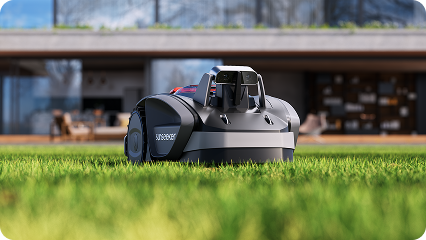
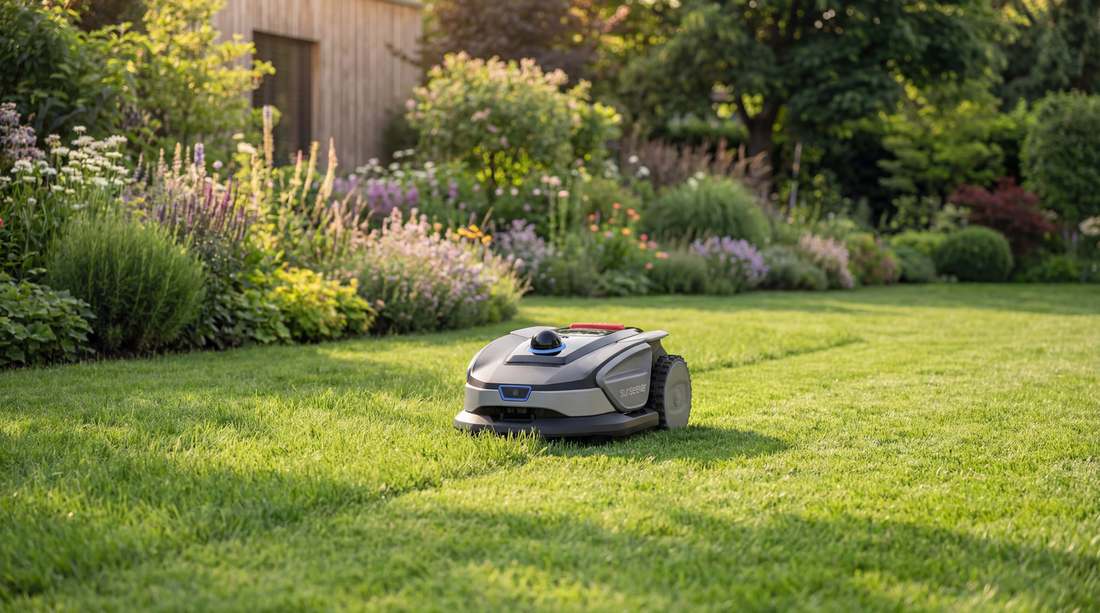
Mow at the normal seasonal height. Mow at the normal seasonal height. Cut the lawn a day or two before setup when the grass and soil are dry. Robot Lawn Mowers can complete this routine cut in advance, leaving the lawn evenly trimmed before decorations are placed. Keep the usual seasonal height rather than cutting unusually short just to make props look taller.
Wait for firm ground. Heavy inflatables, tables, and repeated setup work can leave ruts if the soil is saturated. After prolonged rain, move heavier props to paving or postpone installation until the surface carries weight without sinking.
Mark hidden lawn hardware. Flag sprinkler heads, shallow valve boxes, landscape-light cables, drainage covers, and any known utility routes before pushing anchors into the soil.
Keep one clear maintenance route. Leave enough space to reach bins, taps, gates, and garden storage without stepping through the display. If a mower normally uses a narrow passage, keep that passage clear or pause mowing while decorations are installed.
Use broad bases for static props. A wide stand spreads the load better than a narrow foot. Avoid solid boards or rubber mats that block light and air for long periods; move smaller pieces every few days when practical.
Do a daylight sweep after removal. Collect strings, clips, wire, stakes, batteries, cable ties, and small plastic pieces before any mower returns. Thin dark items are especially easy to miss in grass.
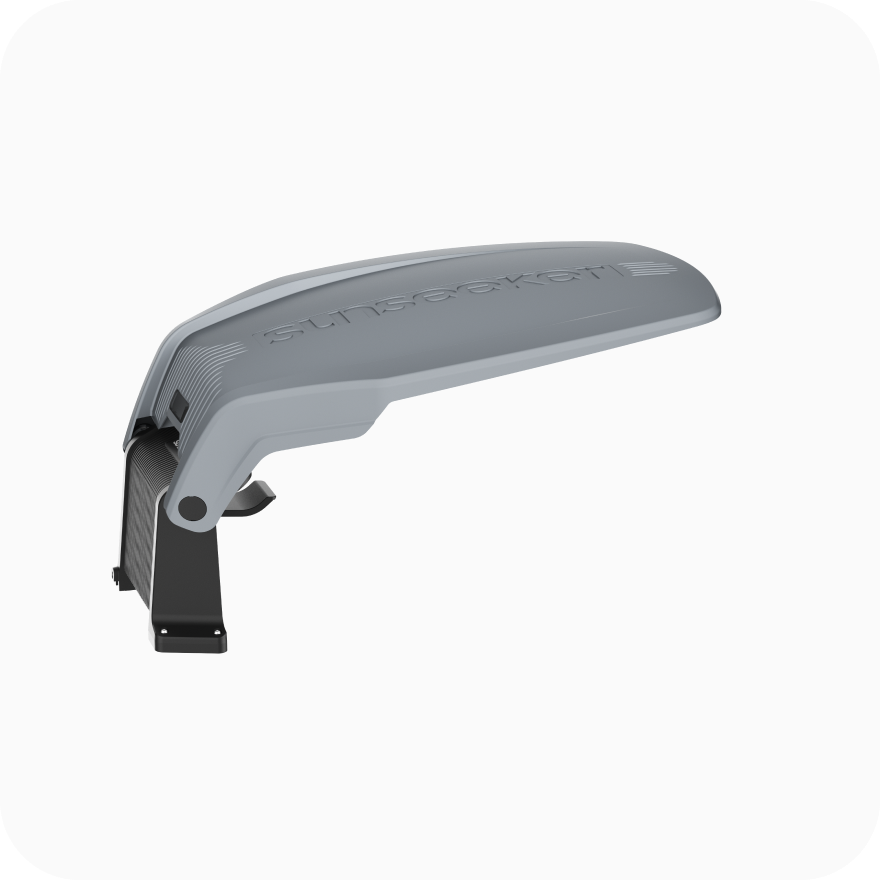
Once the lawn is completely clear, the Sunseeker S4 can resume regular mowing without a buried perimeter wire or antenna setup. Its automatic mapping is useful in gardens where the usable lawn changes temporarily during seasonal decorating.
Conclusion
Small gardens and larger lawns need different Halloween yard ideas, but the same design rule applies: give the eye one main scene and keep the route to the house simple. Use walls and entrances when space is tight; use depth and larger props when the lawn is broad. Secure outdoor electrical equipment properly, protect wet or stressed turf, and clear every anchor and cable before normal lawn care starts again.
FAQs
When should I start decorating my garden for halloween?
Early to mid-October works well for most outdoor displays, while fresh pumpkins are better added closer to 31 October so they stay presentable. If decorations sit on living grass, keeping the heaviest props out for roughly two to three weeks rather than the whole season reduces shading and compaction. Local event or neighbourhood rules may set different dates.
How can I stop my decorations from blowing over in windy weather?
Use every anchor point supplied with the decoration, tighten guy lines evenly, and add approved ballast only if the manufacturer allows it. Place tall pieces where a wall or hedge reduces wind exposure, without blocking airflow to inflatable fans. Check the forecast daily; when strong winds are expected, the safest option is usually to deflate or temporarily take down large pieces.
Are outdoor halloween lights safe to leave on overnight?
Outdoor lights should be rated for outdoor use, connected through suitable weather-protected power, and inspected for damage before use. For a home display, switch lights and electrical decorations off before going to sleep or leaving the property rather than running them unattended all night. Timers can make that routine easier, but they do not replace safe cords, plugs, and connections.