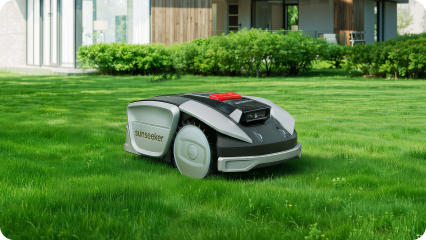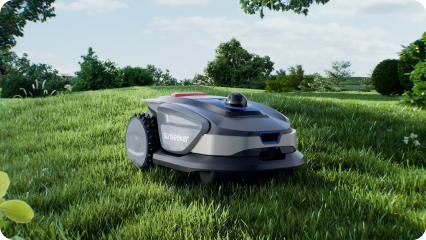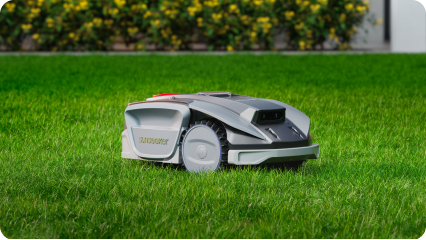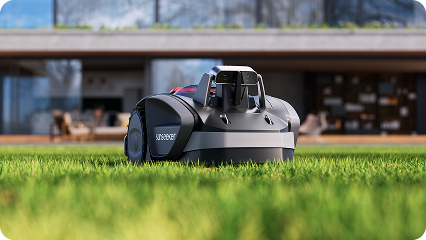
How GPS Robot Mowers Achieve Pinpoint Accuracy
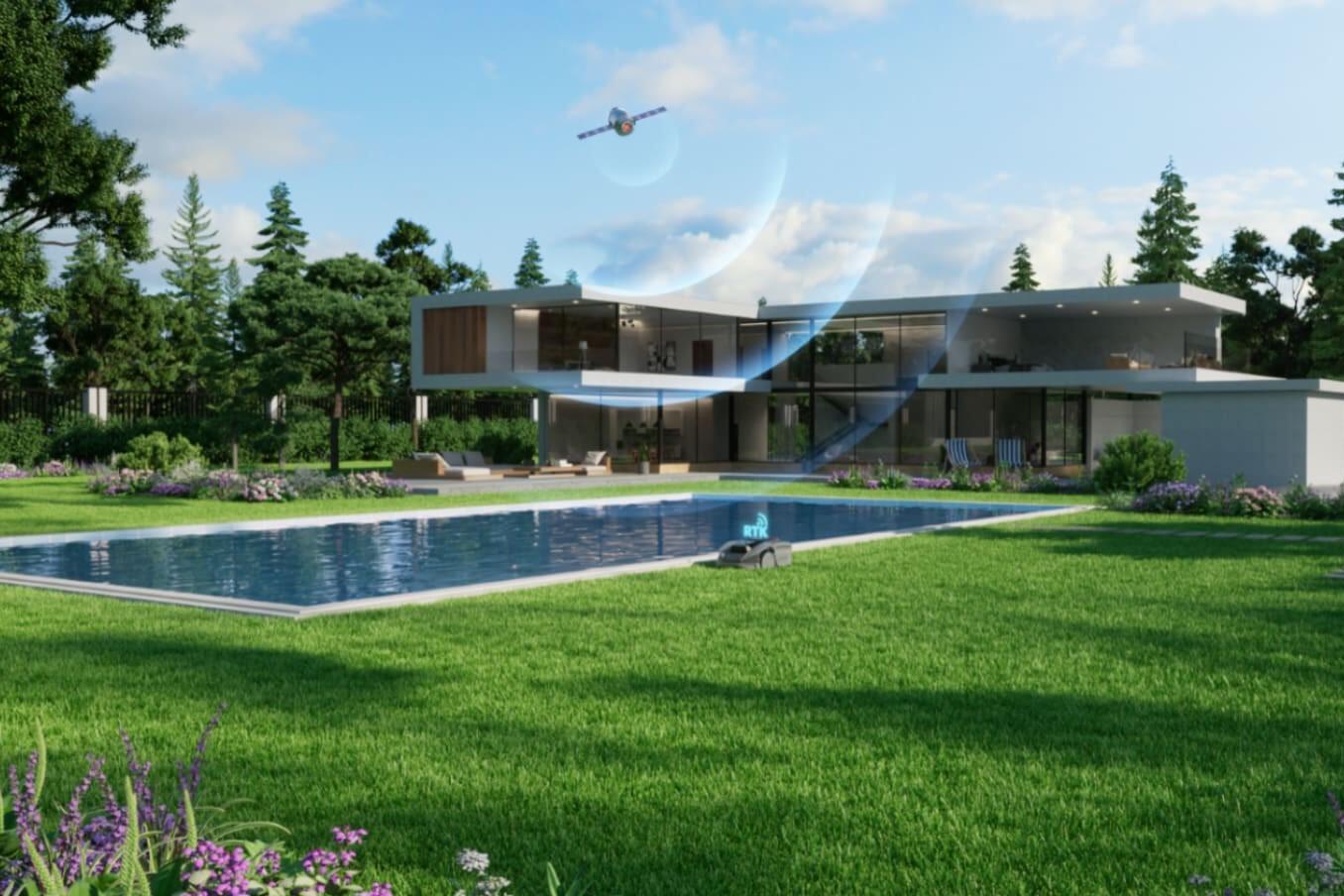
The high-precision positioning of GPS robotic mowers is built on the combined use of GNSS (Global Navigation Satellite System) navigation and RTK (Real-Time Kinematic) technology. By receiving signals from multiple satellite systems such as GPS and Galileo, the mower achieves greater satellite visibility. The more satellites that are available, the more stable the positioning solution becomes and the higher the overall accuracy.
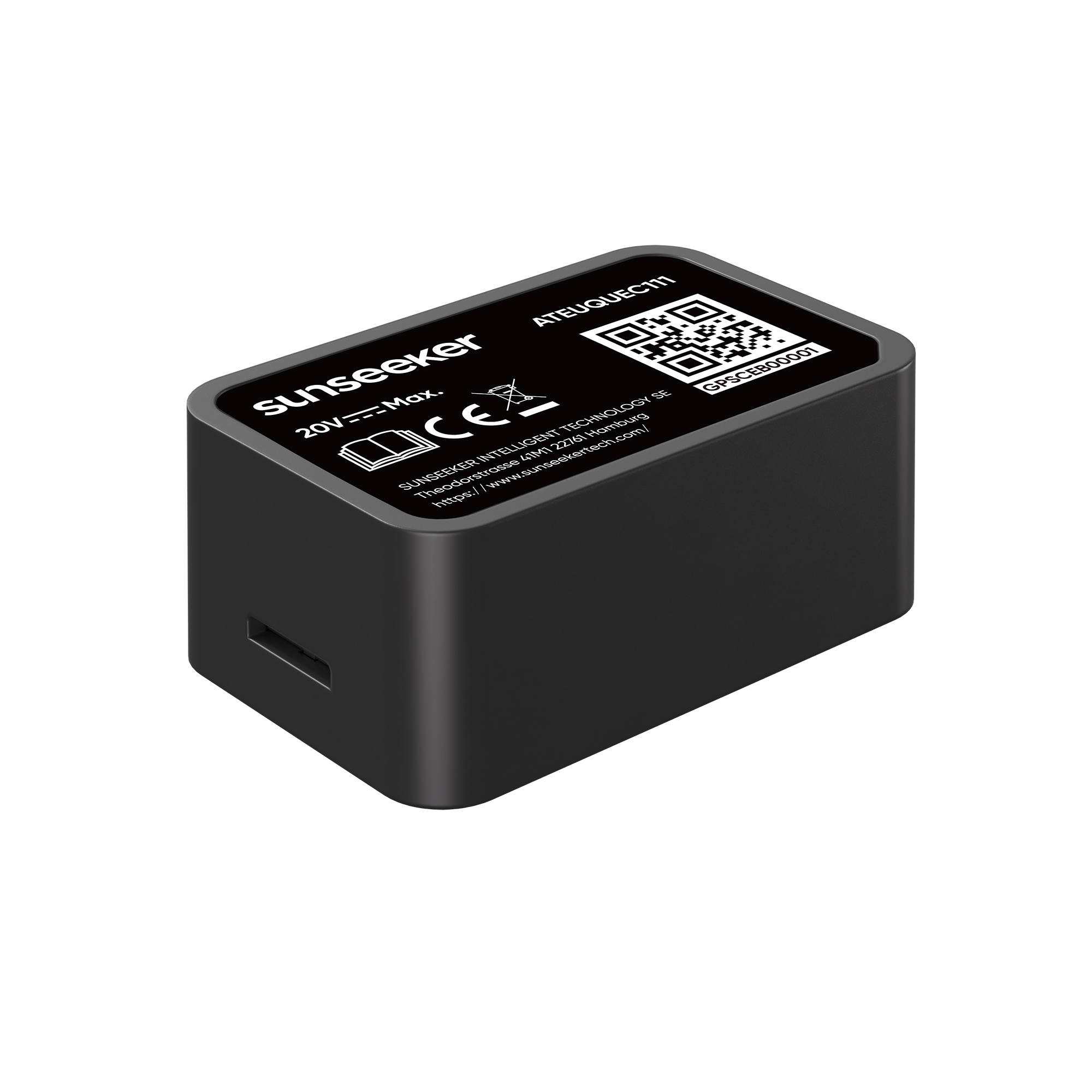
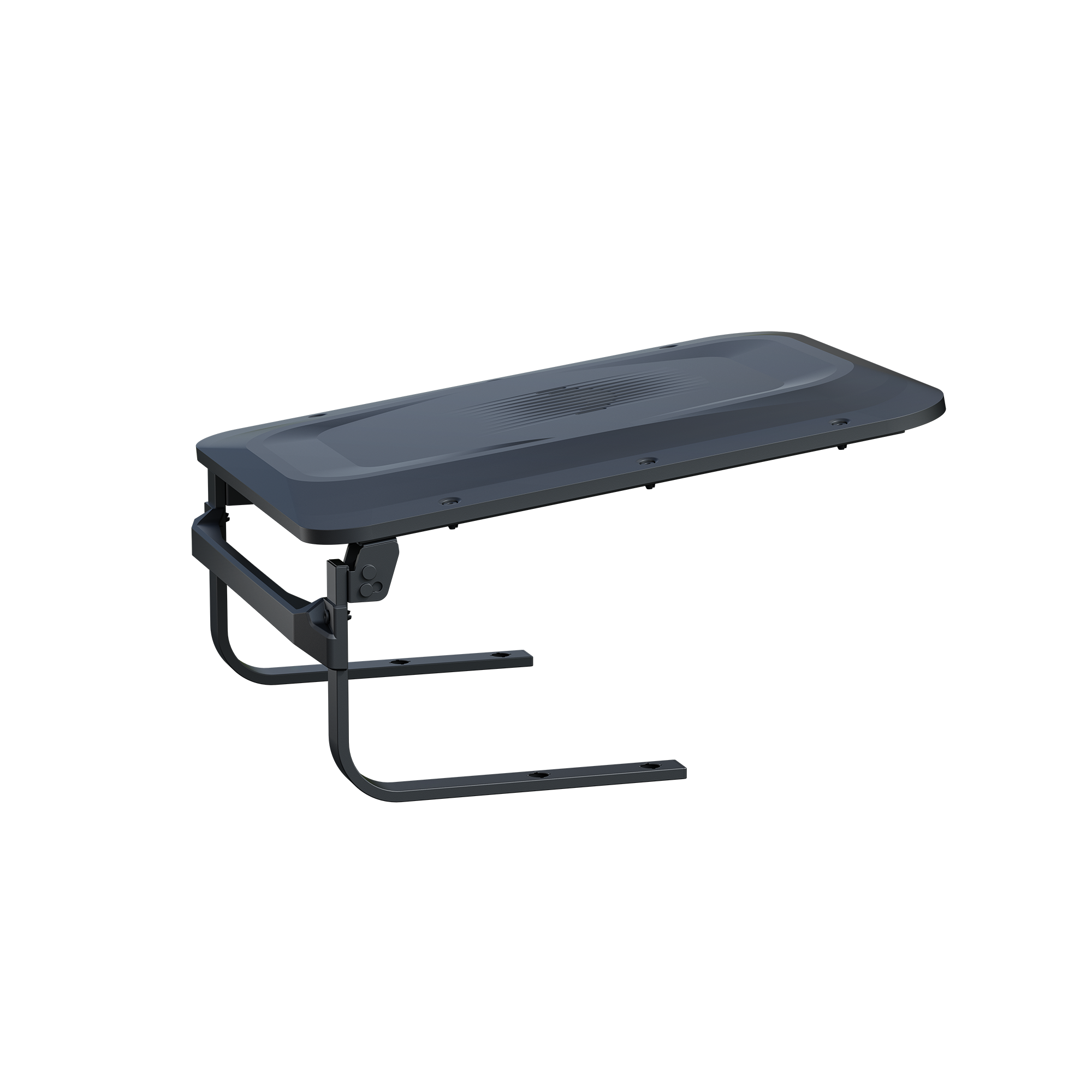
Within an RTK system, the fixed GNSS receiver is known as a base station or reference station, while the mobile unit requiring precise positioning—the robotic mower—is referred to as the rover. As the base station remains in a known, fixed location, it continuously collects satellite data over time, allowing it to model and correct for atmospheric delays and other signal errors.
These real-time correction data are then transmitted to the rover, enabling the mower to refine its position from meter-level accuracy down to centimeter-level precision, which is essential for accurate path planning and clean, professional-looking lawn edges.
GPS Mower as an Intelligent Navigator
With its position locked down to the centimeter, the GPS mower transforms into an intelligent navigator. This capability replaces the need for any physical guide wires and opens up new levels of efficiency and flexibility.
Creating and Managing Virtual Boundaries
The most obvious user benefit is the complete elimination of perimeter wire installation. Using a simple smartphone app, you walk the mower around the edges of your lawn. As you go, it logs a precise series of GPS coordinates, creating a digital map or "virtual fence."
Once saved, the mower constantly checks its live RTK-corrected position against this map to stay perfectly within bounds. So, you can easily adjust your lawn's shape next season without ever touching a spade or a wire.
Systematic and Efficient Cutting Patterns
Covering every square inch efficiently is where GPS mowers truly excel. They utilize advanced path-planning algorithms. Instead of bouncing around randomly, they typically follow orderly, parallel straight lines or systematic spiral patterns. This methodical approach guarantees complete coverage without missed patches or excessive overlap. Then you will get a lawn with the clean, professional stripes of a sports field, achieved automatically.
Simplified Multi-Zone Management
For properties with separate sections—a front yard, a backyard, a side lawn—this technology is a game-changer. You can create individual maps for each distinct zone. Through the app, you can set a schedule: the mower can work in the front in the morning, then autonomously navigate through a defined corridor (like a gate) to service the back in the afternoon.
It intelligently manages its battery life to complete each task or return to charge between zones. This turns the management of a complex landscape into a seamlessly automated process.
GPS Mower as a Connected Lawn Monitor
The constant GPS connection provides a powerful suite of features that extend far beyond simple navigation, offering security, peace of mind, and valuable lawn care insights.
Live Location Monitoring
Open your mower's companion app, and you will likely see an icon showing the machine’s exact location on a map of your property in real-time. This is incredibly useful for remote oversight. Whether you are at work or on vacation, you can instantly check if the mower is actively working, safely docked, or if it has encountered an unexpected obstacle. This transparency transforms lawn care into a calmly managed, always-monitored process.
Integrated Theft Deterrence and Recovery
A common concern with valuable outdoor equipment is theft. GPS mowers address this proactively. Most require a PIN code to start operation. If the mower is lifted and moved without authorization, it can trigger a loud alarm and, crucially, send an immediate alert to your phone with its last known GPS coordinates. Some models offer continuous tracking, allowing you and authorities to see the mower's movement in real-time, vastly increasing the chance of recovery and acting as a strong deterrent.
Data-Driven Lawn Care Analytics
Powered by growth data and environmental inputs, some advanced robotic mowers can automatically adjust their operating time to match your lawn’s actual needs. During periods of rapid growth, it increases mowing frequency to maintain an even height. In drier weather or toward the end of the season, it intelligently reduces runtime, minimizing unnecessary wear on both the grass and the machine while preserving long-term lawn health.
The Best GPS Robot Lawn Mowers for 2026
With the technology explained, it’s time to look at which GPS robot lawn mowers stand out in 2026 for real-world performance, reliability, and ease of use. Here are three top models designed for lawns of different types.
1. Mammotion Luba Mini AWD 800
The Mammotion LUBA Mini AWD 800 is built for uneven, compact lawns. Its all-wheel-drive system handles slopes up to 80% (38.6°), making it ideal for challenging, complex areas with steep banks, irregular flower beds, or narrow streams. Equipped with networked RTK technology, it navigates with precision for clean, even cuts, while UltraSense AI Vision enables automatic mapping and intelligent route planning.
2. Sunseeker S5
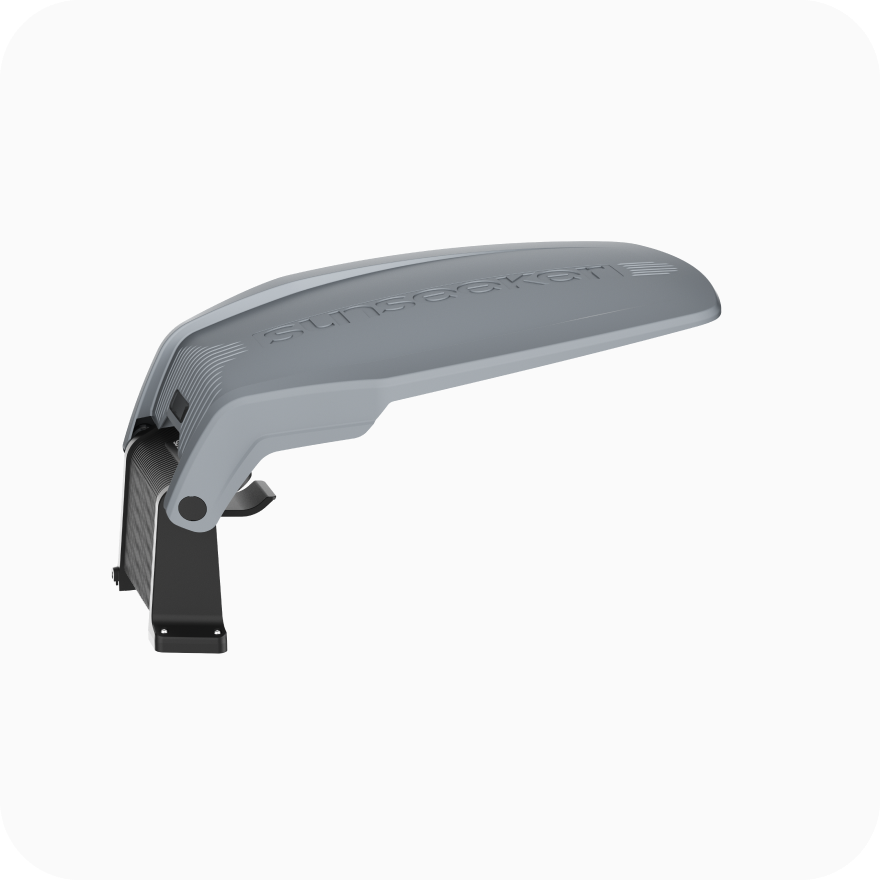
The Sunseeker S5 features the AONavi™ system, which combines RTK-GPS with advanced Vision AI for stable, precise wire-free navigation. Its all-wheel-drive system handles slopes up to 60% (30°), covering lawns up to 1,600 m². With intelligent detection of over 360 obstacle types, S5 easily avoids static, dynamic, and floating objects. Users can define, switch, and manage up to 80 lawn zones for fully personalized mowing.
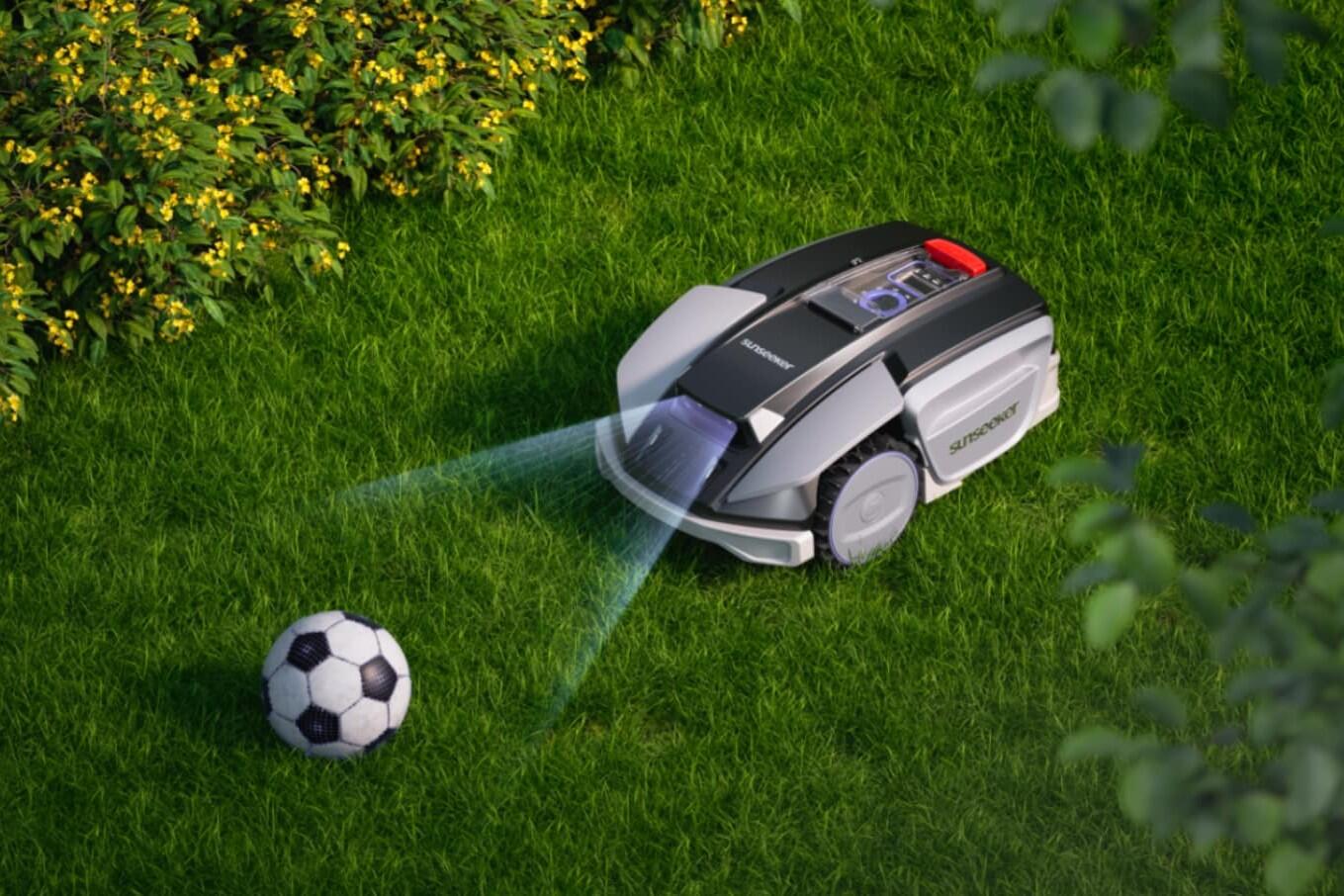
Sunseeker S5 detecting and avoiding obstacles
3. Segway Navimow X330
The upgraded Segway Navimow X315 features EFLS 3.0 positioning technology, delivering centimeter-level precision. Wireless installation is simple, requiring only three steps with no professional help. Its rapid charging enables efficient mowing across lawns up to 4,000 m². The mower operates ultra-quietly at just 60 dB—half the noise of gas mowers—allowing you to maintain a flawless lawn without disturbing family or neighbors.
Comparison of Top GPS Robot Mowers Capabilities
|
Key Indicators
|
Mammotion Luba Mini AWD 800
|
Sunseeker S5
|
Segway Navimow X330
|
|
Max Cutting Area
|
Up to 800m²
|
Up to 1,600m²
|
Up to 4,000m²
|
|
Max Slope Capability
|
80% (38.6°)
|
60% (30°)
|
50% (27°)
|
|
Navigation System
|
iNavi Service™ (NetRTK+Vision)
|
AONavi™ (RTK + VSLAM)
|
EFLS 3.0 (RTK+VSLAM+VIO)
|
|
Cutting Width
|
20 cm
|
20 cm
|
23.7 cm
|
|
Cutting Height Range
|
20–65 mm
|
20–60 mm
|
50–100 mm
|
|
Engine
|
All wheel-drive
|
All wheel-drive
|
All wheel-drive
|
|
Noise Level
|
60 dB(A)
|
60 dB(A)
|
60 dB(A)
|
|
Waterproof Rating
|
IPX6
|
IPX5
|
IP66
|
|
Rain Detection
|
Yes
|
Yes
|
Yes
|
|
Charging Time /Runtime per charge
|
160 min / 120 min
|
90 min / 90 min
|
65 min / 160 min
|
(Data sourced from publicly available websites as of 21/01/2026 and provided for reference only)
Is a GPS Lawn Mower the Right Choice for Your Yard?
GPS technology offers significant advantages, making it an excellent fit for many, but not all, properties. A quick self-assessment can help determine if it aligns with your needs.
Ideal Garden Profiles
A GPS mower is a perfect partner for below several common yard types:
-
Large, open lawns where installing a perimeter wire would be difficult
-
Complex or multi-zone landscapes divided by driveways or paths
-
New or evolving gardens with changing landscaping plans, thanks to easily updated digital boundaries
-
Tech-savvy homeowners who value app control, data insights, and smart home integration
Key Considerations Before You Buy
Before investing, consider two main factors. First, optimal RTK-GPS performance requires clear sky visibility. Properties under dense tree canopies or near tall buildings might face signal issues. For such yards, a model with a hybrid system (combining GPS with Vision AI or LiDAR) is recommended for reliable navigation during any signal dips. If you’re wondering detailed RTK base station setup guide and practical tips for optimizing signal performance, read How RTK Technology Transforms Robot Lawn Mowing.
Additionally, this advanced technology comes with a higher initial cost than basic wire-guided models. But this premium buys long-term value: wire-free convenience, intelligent navigation and path planning, and smart features for monitoring and control, enhancing your overall experience.
Conclusion
GPS robot mowers redefine lawn care by combining wire-free navigation with truly precise control. By relying on satellite positioning, RTK correction, and intelligent vision systems, they eliminate the complexity of buried boundary wires while delivering clean, consistent results across varied terrain.
Models like the Sunseeker S5 show how this technology translates into real-world value, pairing RTK-GPS with visual AI for stable, accurate mowing, strong all-wheel-drive performance, and flexible multi-zone management. With Sunseeker S5, you can ultimately achieve a perfectly manicured, effortlessly maintained lawn season after season.
FAQs
What's the practical difference between standard GPS and RTK in a mower?
Standard GPS offers general navigation within a few meters. RTK-GPS uses a base station for centimeter-level corrections, enabling precise virtual boundaries and perfectly straight cutting lines for a professional finish.
Will my garden's trees mess with the GPS signal?
Yes, dense tree canopies, tall structures, or fences can weaken satellite signals, potentially causing navigation hiccups. Many advanced models use hybrid systems with additional sensors to maintain reliable operation in these areas.
How can I get the best GPS signal in my yard?
Ensure your RTK base station has a clear view of the sky, following the manual's placement guide. For signal weak spots, consider light pruning of overhead branches or scheduling mowing during times of optimal satellite coverage.