What is RTK Technology?
RTK, or Real-Time Kinematic positioning, is a high-precision navigation technique that dramatically improves upon standard GPS systems. While conventional GPS might guide you to within several meters of a destination, RTK reduces that margin to just a few centimeters.
How Does RTK Work in Robot Mower
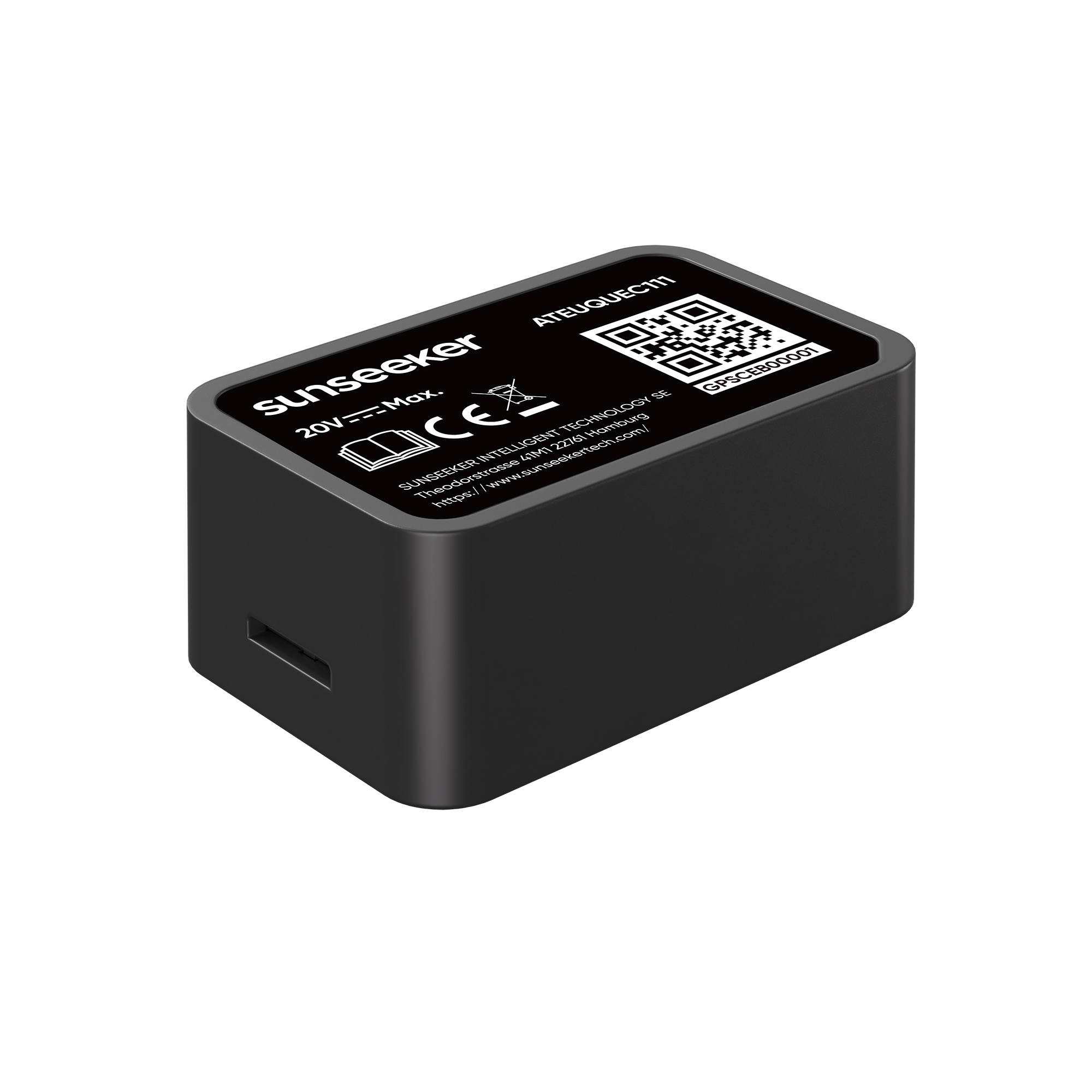
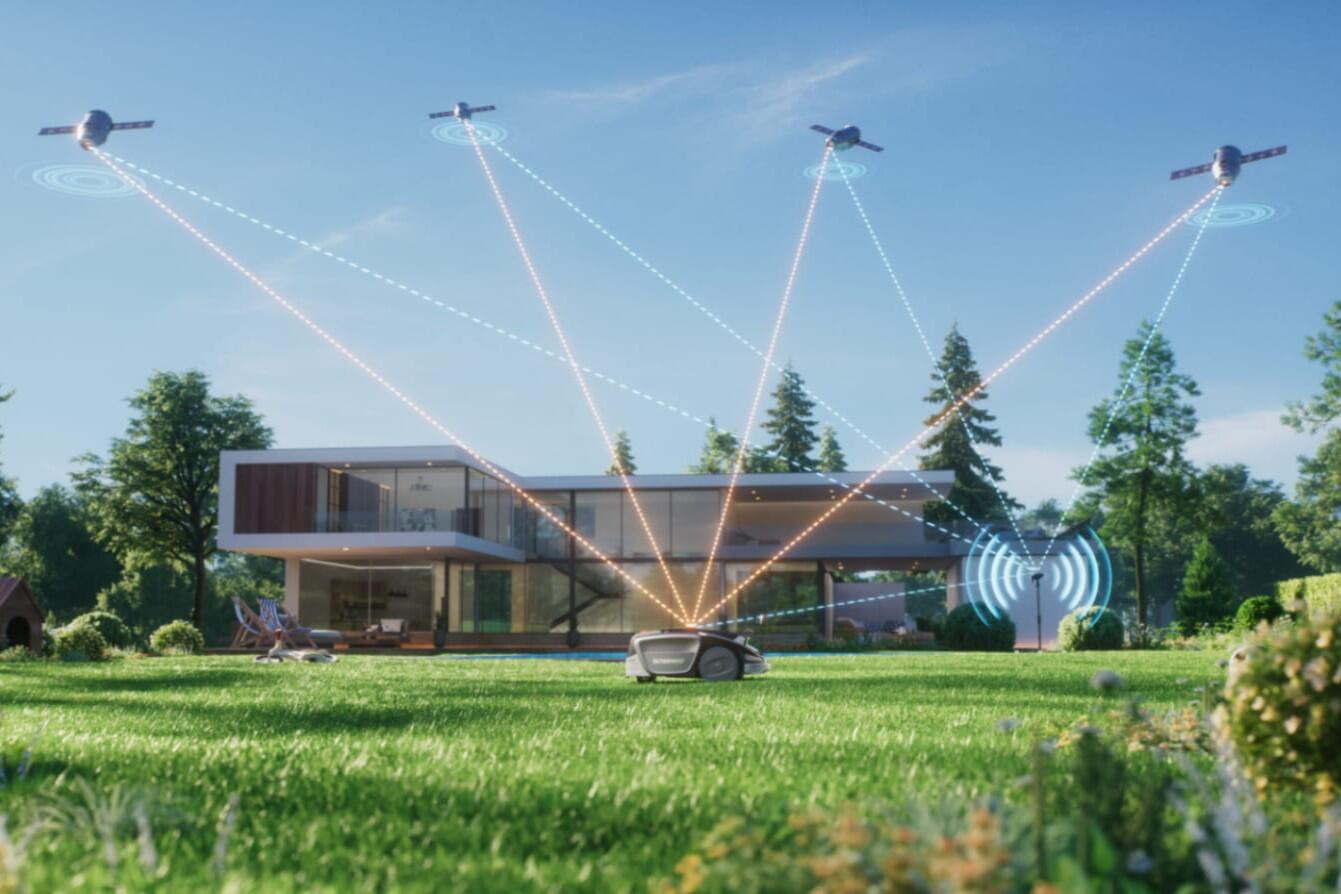
RTK functions through a two-part system. A stationary base station is set up in your yard, usually on a pole or a wall, where it maintains a clear view of the sky. This base station continuously receives signals from global navigation satellites. It calculates the tiny errors—often caused by atmospheric interference—in those signals at its exact location.
Simultaneously, the robot mower, equipped with its own receiver (often called the rover), also picks up satellite signals. The base station transmits its calculated error corrections to the mower in real time, typically via a radio link. The mower applies these corrections to its own signal calculations, allowing it to determine its position with extreme accuracy.
RTK Compared to Standard GPS Navigation
The difference between standard GPS and RTK is significant. Consumer-grade GPS, found in smartphones and basic navigation devices, is subject to errors that can amount to several meters. This level of accuracy is sufficient for getting driving directions but is inadequate for defining a precise lawn boundary.
RTK technology actively corrects these errors at the source. This process transforms satellite navigation from a general guidance tool into a precise measurement instrument, enabling applications like virtual fencing and systematic mowing patterns that standard GPS simply cannot support.
Core Components of an RTK Setup
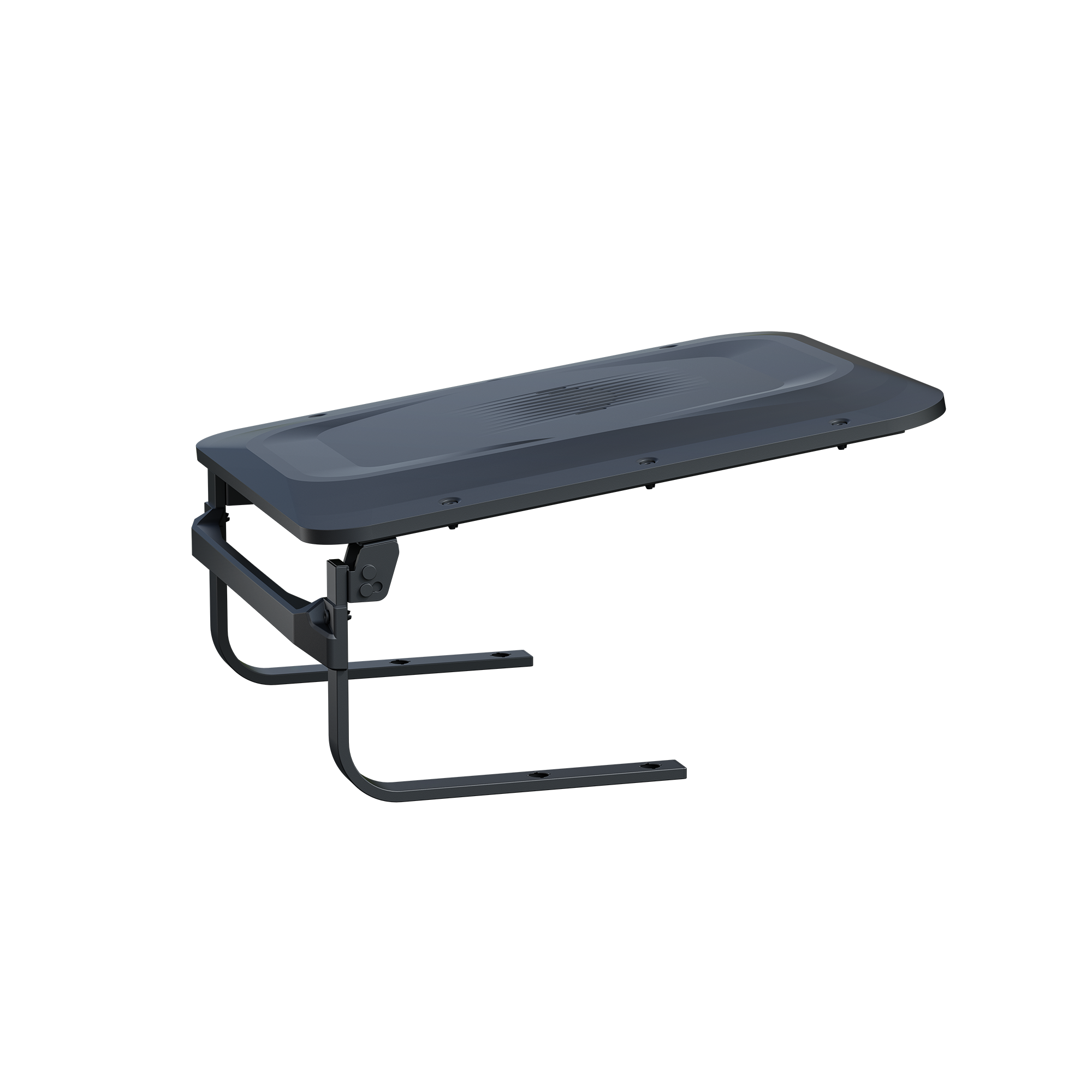
Three main hardware elements make this system possible. The base station serves as the fixed reference point. It must be installed securely in a location with minimal sky obstructions. The rover is the compact receiver mounted on the mower itself. Finally, a reliable communication link, such as a dedicated radio frequency or a local Wi-Fi network, ensures the correction data flows instantly from the base to the mower.
RTK Advantages in Robotic Lawn Mowing
The advantages of RTK technology are most evident in the way a robotic mower navigates and performs. With precise, real-time positioning, it operates methodically and efficiently, transforming even complex yard layouts into cleanly defined, well-managed spaces.
Mapping Your Lawn Digitally
One of the most appealing advancements in modern robotic mowing is the shift away from physical perimeter wires. Instead of spending a weekend burying cable, setup is handled through a smartphone app by guiding the mower around the lawn’s edges.
While Vision AI systems can also support wireless mapping, RTK technology elevates this process with centimeter-level positional accuracy and long-term stability. The digital map created is highly precise and less prone to drift over time, even in large or complex gardens.
Efficient and Systematic Mowing Patterns
Many modern robotic mowers use intelligent path planning rather than random movement. RTK enhances this capability by providing highly accurate, real-time location data, allowing the mower to execute systematic mowing patterns with greater confidence.
By calculating parallel mowing lines and maintaining consistent spacing, an RTK-guided mower minimizes overlap and missed areas. When it reaches a virtual boundary, it performs clean, predictable turns before continuing along the next path. This precision reduces unnecessary passes, conserves battery power, and delivers a uniform finish.
Managing Multiple Lawn Zones
Handling segmented properties is another area where multiple technologies can work together. Vision-based systems can recognize transitions between zones, but RTK adds a layer of positional certainty that simplifies multi-zone coordination.
Separate digital maps can be created for areas such as front yards, backyards, and side lawns. With accurate global positioning, the mower can navigate defined corridors between zones, monitor its battery status, and return to the charging station when needed before resuming work.
Key Benefits of Choosing an RTK Mower
Adopting RTK technology brings several tangible benefits that enhance both the installation experience and the long-term results of automated lawn care.
Simple and Quick Installation Process
Setting up an RTK system is straightforward. The primary task involves placing the base station in a suitable location and connecting it to power. There is no trenching, no laying of wires, and no complex electrical work. The digital boundary mapping is done through an intuitive app.
For many users, the entire process from unboxing to the first mow can be completed in well under an hour. This ease of installation makes advanced robotic mowing accessible to a wider range of homeowners.
Unmatched Cutting Accuracy
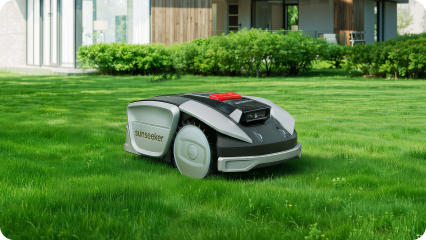
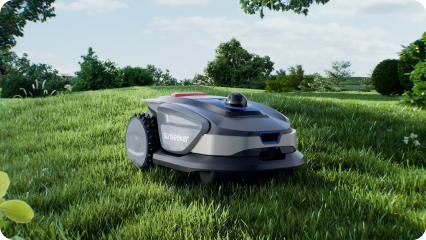
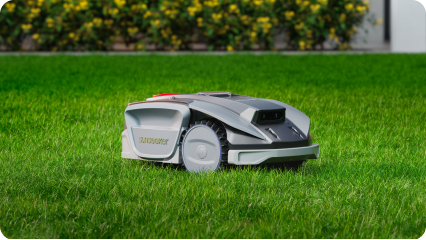
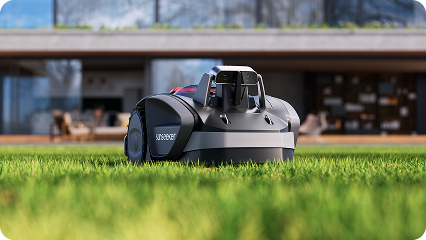
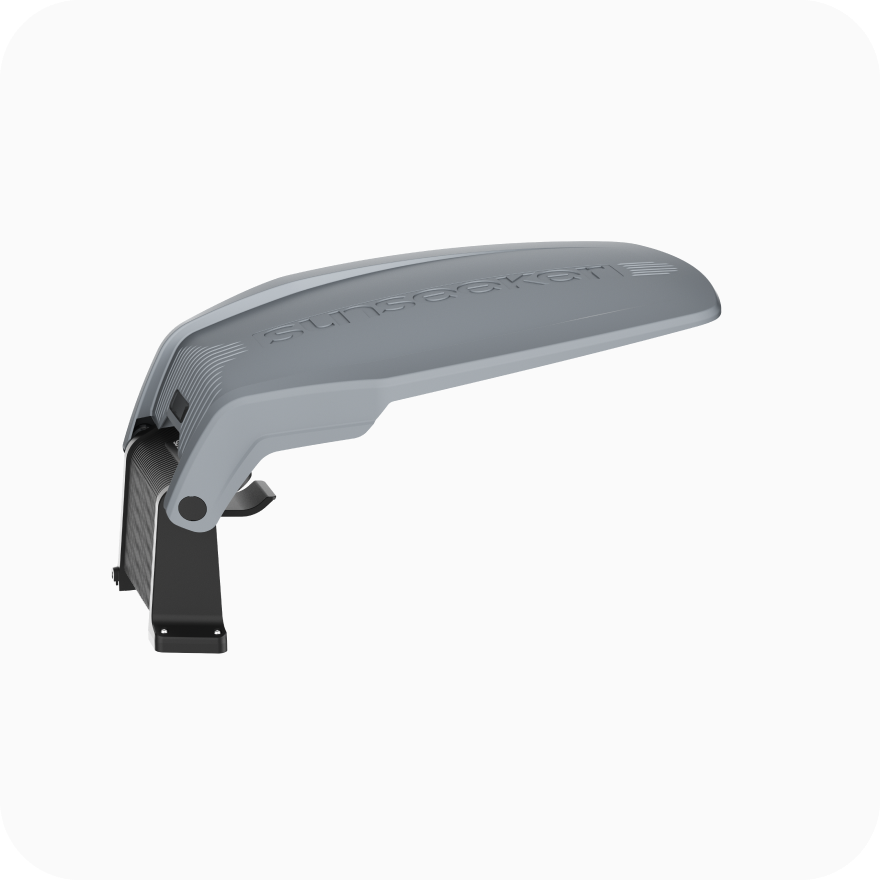
The precision of RTK directly translates into superior lawn aesthetics and health. The mower follows its programmed paths exactly, ensuring an even cut across the entire lawn. For example, the Sunseeker S5’s intelligent path-planning feature allows it to navigate complex layouts and tight corners efficiently. Sharp, defined edges along landscapes and consistent stripe patterns are easily achieved. This accuracy also ensures the mower trims borders effectively without scalping the grass or missing spots, promoting a healthier, more uniform turf.
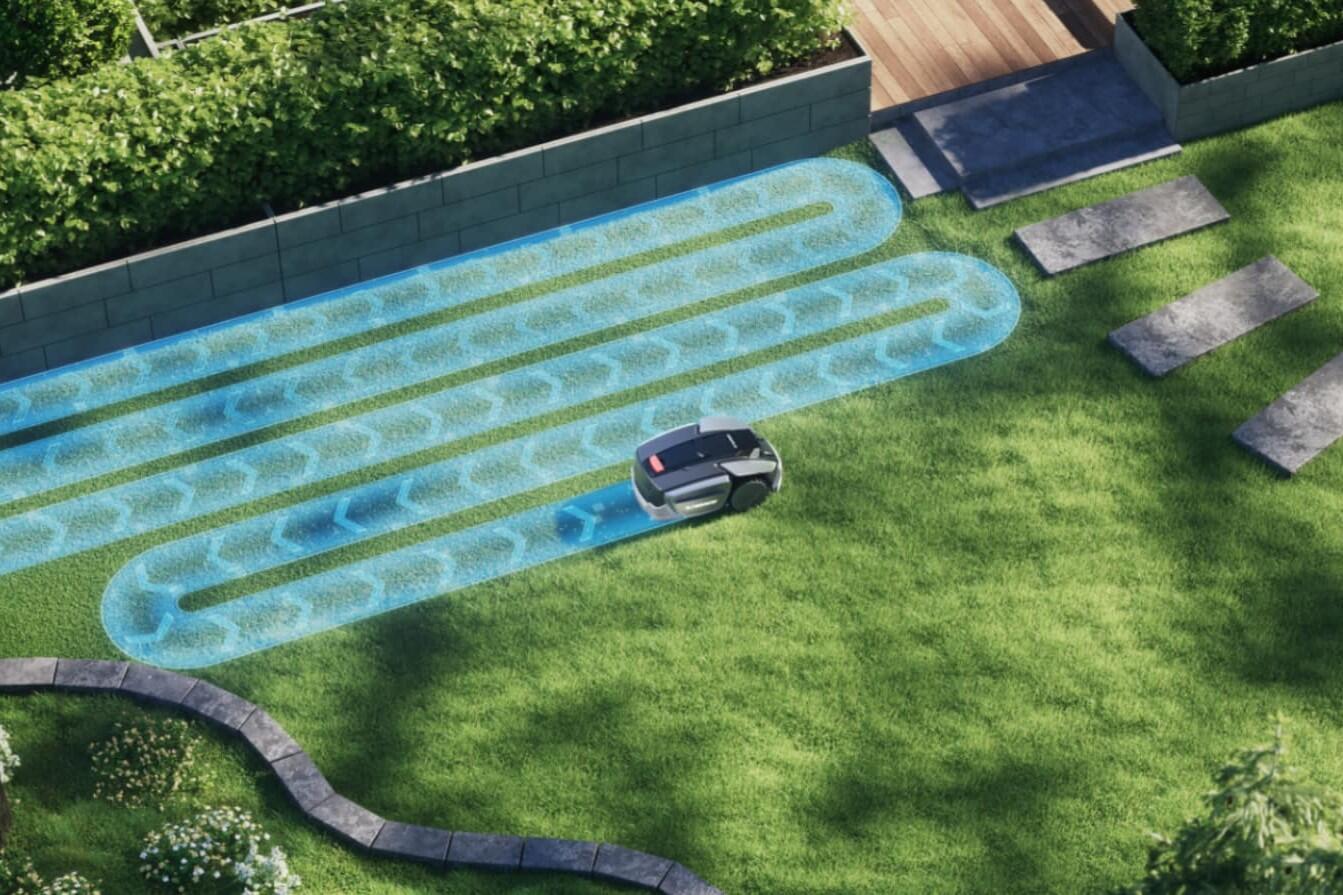
Sunseeker S5 with Intelligent Path Planning
Adaptability for Changing Landscapes
Gardens are dynamic spaces. You might decide to add a new planting bed, expand a patio, or remove a tree. With a traditional wired system, such changes would require digging up and rerouting the boundary cable—a tedious and disruptive task.
With an RTK mower, you simply update the digital map in the app. You redraw the virtual boundary to reflect the new layout. This flexibility is perfect for new homeowners or gardening enthusiasts who enjoy regularly evolving their outdoor space.
How to Set Up Your RTK Base Station
To fully benefit from RTK precision, proper installation and a little planning are essential. Following best practices ensures a strong, stable signal across your entire property.
Planning Your Base Station Location
The most critical step is selecting the right spot for the RTK base station. It requires a clear, unobstructed view of the sky. Avoid placing it under dense tree canopies, deep under eaves, or directly against tall walls. A location on a fence post, a wall bracket, or a dedicated pole in an open part of your garden often works well.
This spot should also be within a few meters of the mower’s charging station, as the two are usually connected by a cable. Ensure access to a standard power outlet is available nearby.
To see exactly where the RTK base station should be positioned in your yard, refer to How to Install the RTK Station, which provides step-by-step guidance supported by clear visual diagrams.
Step-by-Step Installation Process
-
1. Assemble mounting hardware (pole, ground stake) and ensure it is stable and vertical.
2. Connect the RTK base station to the charging station using the supplied cable, keeping any loose wires clear of the mower’s path.
3. Securely mount the base station unit at the top of the pole.
4. Power on the base station and allow a few minutes for satellite signal acquisition.
5. Confirm a successful connection and strong signal lock when the indicator light turns steady (usually blue or green).
Optimizing Performance and Troubleshooting
Even with careful setup, some areas may experience weak RTK signals. Here’s how to identify and address these issues:
-
Check Satellite Visibility and Obstructions: Use a free GNSS app on your phone to inspect the mower’s problem spots. Look for obstacles like thick tree canopies or walls that block the sky. Do the same for the base station. Ensure both locations have a clear, wide view of multiple satellites for optimal signal reception.
-
Adjust Placement and Environment: Remove or trim obstructing branches where possible. If the base station’s view is limited, move it to a more open spot with at least a 160-degree vertical sky view. For signal reflections off smooth surfaces (multipath), covering them with a textured material like raw wood can help.
-
Monitor Satellite Timing and Plan Accordingly: Satellites follow predictable paths. Test weak areas at different times to find periods of optimal coverage. Schedule mowing during these windows, or, if unavoidable, exclude persistently problematic spots from the mowing zone.
Conclusion
RTK technology represents more than just an upgrade in mower navigation; it signifies a shift toward truly intelligent and autonomous lawn maintenance. By removing the physical constraints of wires and introducing surgical precision, it empowers homeowners to achieve professional-grade results with minimal intervention. The combination of effortless setup, adaptable boundaries, and efficient operation makes GPS robot mower a compelling choice for anyone with a lawn.
Ready to experience the future of smart mowing? Discover how the Sunseeker S5, powered by RTK and VSLAM, keeps your lawn perfectly maintained and effortless.
FAQs
Do RTK mowers work under heavy tree cover?
While RTK requires satellite signals, performance under light to moderate tree cover can be acceptable. However, very dense canopy can weaken the signal. Some advanced models combine RTK with other sensors, like cameras, to maintain navigation in challenging spots.
Can I set up an RTK system myself?
Absolutely. Most systems are designed for DIY installation. The process focuses on positioning the base station and using a guided app walkthrough to map the lawn, requiring no specialized tools or skills.
Is this technology suitable for a small yard?
Yes. While the precision benefits are universal, RTK is particularly valuable in smaller, complex yards where every centimeter counts for navigating tight spaces and intricate landscape features.