What is an Electric Lawn Mower?
Electric mowers represent the modern, user-friendly approach to lawn care. They replace the roar of an engine with the quiet hum of a motor, offering a cleaner and often simpler mowing experience.
Types of Electric Mowers
-
Corded Electric Mowers: These models plug directly into a standard outdoor electrical outlet with an extension cord. Their main advantage is unlimited runtime; you can mow as long as you have power. The significant limitation is the cord itself, which restricts your range and requires constant management to avoid running over it.
-
Cordless (Battery-Powered) Mowers: This is the most popular electric category today. They are powered by rechargeable lithium-ion battery packs, offering complete cordless freedom. Your runtime is determined by the battery's capacity (measured in Volt and Amp-hours), and you’ll need to recharge between sessions, which can take an hour or more. Many systems offer interchangeable batteries for larger lawns.
How Electric Mowers Operate
The principle is elegantly simple. When you press the start button or safety lever, electricity flows from the outlet or battery to a brushless electric motor. This motor spins a central driveshaft connected directly to the cutting blade. There is no engine to choke, no oil to check, and no fuel to pump.
Operation is nearly instantaneous, quiet, and produces zero exhaust fumes at the point of use. The power delivery is smooth and consistent, making them exceptionally easy to push and control.
What is a Gas Lawn Mower?
The gas-powered lawn mower is the traditional workhorse, known for its robust power and independence. It’s the standard against which all others have been measured for decades.
Types of Gas-Powered Mowers
How Gas Lawn Mowers Work
A gas mower operates with a small internal combustion engine, similar in principle to a car engine. Most modern models use a four-stroke engine that runs on straight, unleaded gasoline. You must manually add oil to a separate reservoir. Starting typically involves priming a fuel bulb, setting a choke, and pulling a recoil starter cord (though some have electric start).
The engine burns the fuel-air mixture, creating explosions that drive a piston, which turns a crankshaft connected to the blade. This process generates significant torque and power, along with exhaust emissions, engine noise, heat, and vibration.
The Main Differences: Electric Lawn Mower vs. Gas
To make an informed choice, you need to compare them head-to-head across the factors that matter most in the real world.
Power and Cutting Strength
Gas lawn mowers deliver higher torque and sustained power, making them better suited for very tall, thick, or wet grass. They handle demanding conditions without performance drops. Electric mowers, especially modern high-voltage cordless models, perform well on most residential lawns but may struggle in severely overgrown areas where gas power still holds a clear edge.
Runtime and Coverage
Gas mowers provide steady power from start to finish as long as fuel is available, making them reliable for extended mowing sessions. Electric mowers may experience reduced output as batteries drain, especially on lower-end models. Corded electric mowers maintain consistent power but sacrifice mobility and are impractical for large or obstacle-filled yards.
Cost Over Time
Electric mowers often cost less to operate over the long term. Electricity is inexpensive, and maintenance needs are minimal, though battery replacement may be required after several years. Gas mowers involve recurring expenses such as fuel, oil, filters, and professional servicing, which can significantly increase total ownership costs over time.
Maintenance and Reliability
Electric mowers are mechanically simple, requiring little more than blade sharpening and basic cleaning. Gas mowers need regular engine maintenance, including oil changes, air filter replacements, and spark plug servicing. Neglected maintenance can lead to hard starts, reduced efficiency, or long-term engine damage.
Noise and Environmental Impact
Electric mowers operate much more quietly and produce zero direct emissions during use, making them better for neighborhoods and environmentally conscious users. Gas mowers are louder, emit exhaust fumes, and contribute to air and noise pollution. Vibration and heat also make extended use less comfortable.
Ease of Use and Convenience
Electric mowers start instantly with the push of a button and are generally lighter and easier to maneuver. Gas mowers require pull starts, fueling, and warm-up time, adding friction to routine use. While gas models excel in power, electric mowers deliver a smoother, more user-friendly mowing experience for most homeowners.
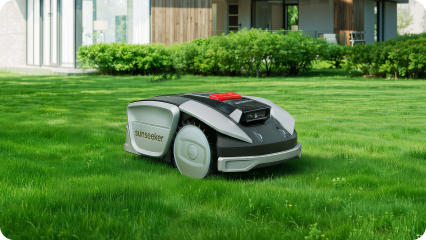
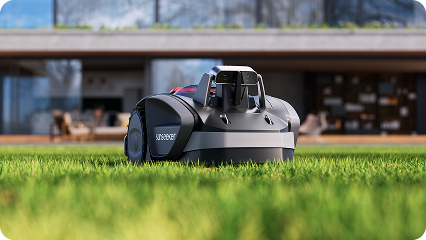
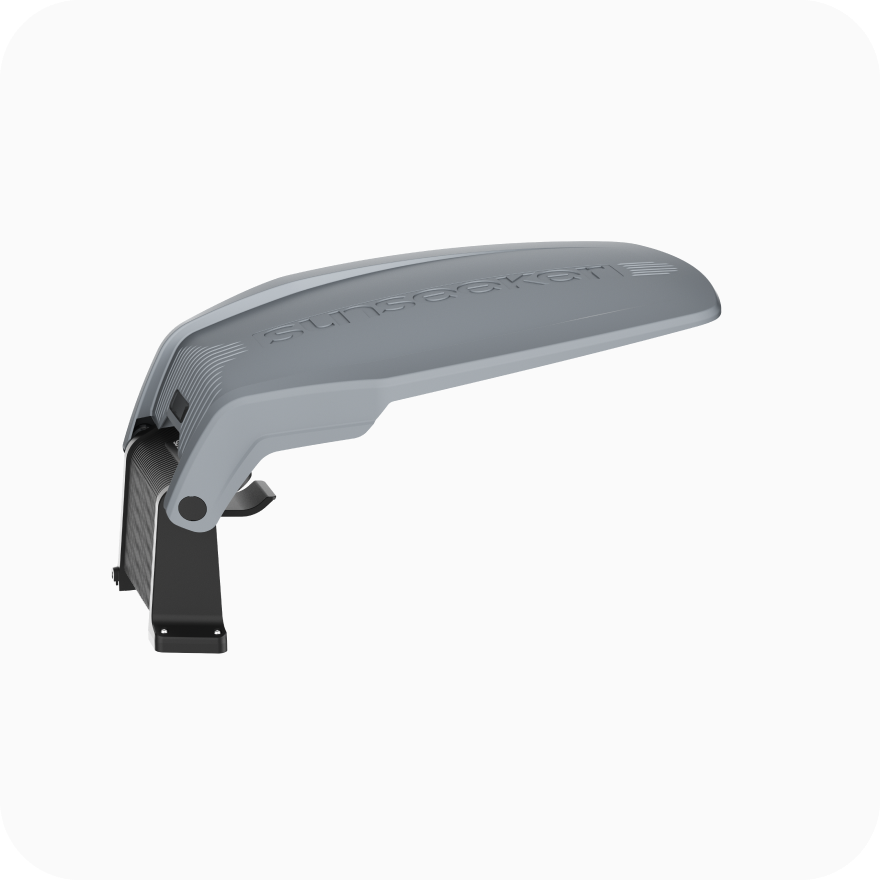
Taking convenience even further, the Sunseeker S4 robot mower removes manual operation entirely through intelligent, app-based control and autonomous scheduling. Once set up, it handles mowing on its own, delivering a smooth, hands-free experience that redefines ease of use for modern homeowners.
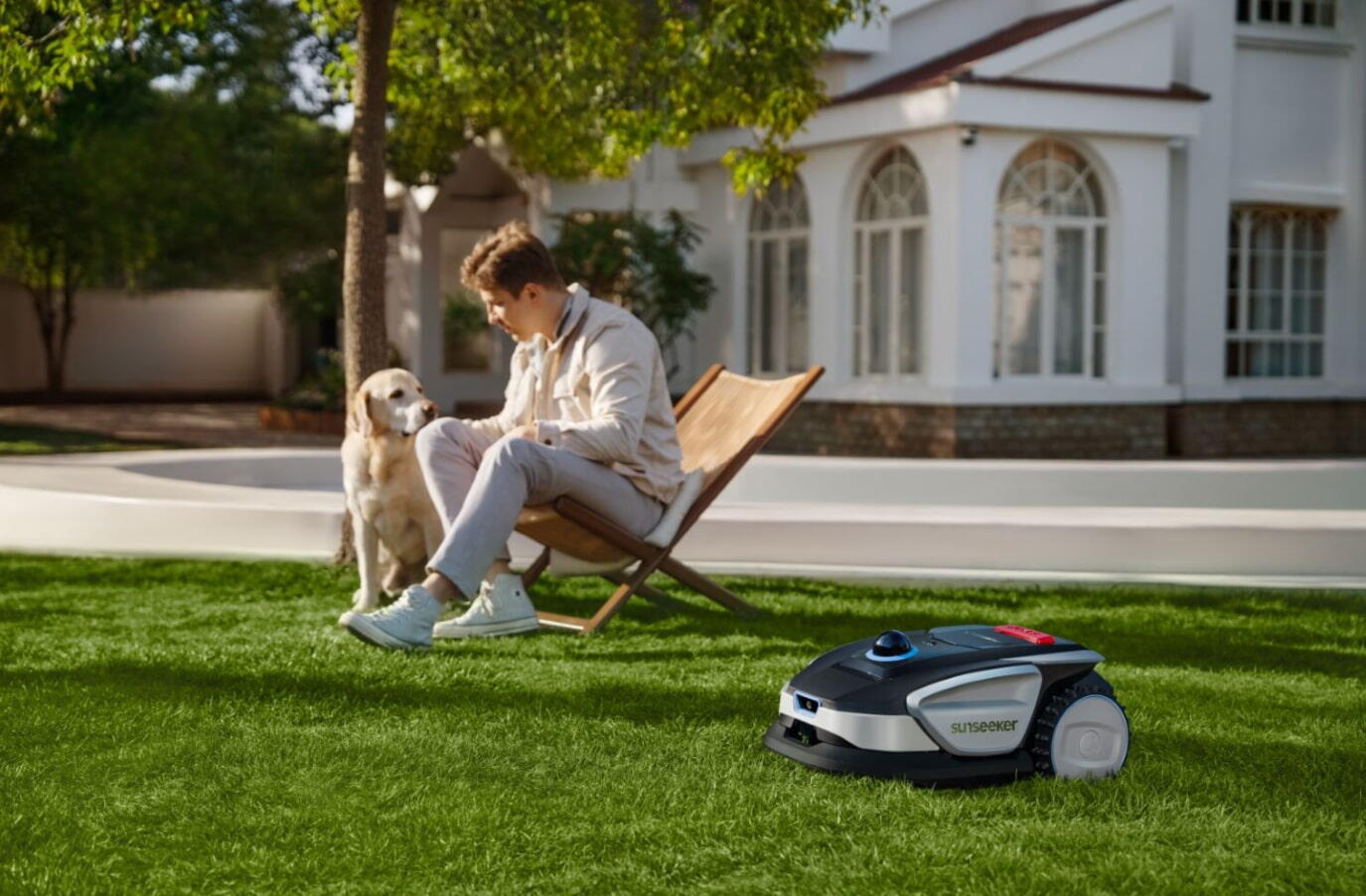
Sunseeker S4 mowing the grass quietly and autonomously
The Comparison between Electric and Gas Lawn Mowers
|
Comparison Area
|
Electric Lawn Mower
|
Gas Lawn Mower
|
|
Power & Cutting Strength
|
Suitable for most residential lawns; modern high-voltage models handle regular grass well
|
Delivers higher torque and raw power; excels in tall, dense, or wet grass
|
|
Runtime & Coverage
|
Limited by battery capacity; corded models offer constant power but less flexibility
|
Runs as long as fuel is available; ideal for large lawns and long sessions
|
|
Upfront Cost
|
Corded models are usually the cheapest; cordless ranges from budget to premium
|
Generally moderate to high initial cost depending on engine size
|
|
Long-Term Operating Cost
|
Very low electricity cost; main expense is battery replacement after years
|
Ongoing costs for gasoline, oil, filters, spark plugs, and servicing
|
|
Maintenance Needs
|
Minimal maintenance; blade care and basic cleaning
|
Requires regular engine maintenance; neglect can cause reliability issues
|
|
Noise Level
|
Quiet operation, typically under 75 dB
|
Loud operation, often 85–95 dB with vibration
|
|
Environmental Impact
|
Zero direct emissions during use
|
Produces exhaust fumes and contributes to air pollution
|
|
Ease of Use
|
Push-button start; lighter and easier to maneuver
|
Heavier; pull-start required; more physical effort
|
|
Storage & Off-Season Care
|
Easy storage; no fuel-related concerns
|
Fuel stabilization and engine prep needed for storage
|
|
User Comfort
|
Less vibration and heat; more comfortable for frequent use
|
More vibration, heat, and fatigue during operation
|
How to Choose the Right Lawn Mower for You
The best mower is the one that fits your specific property and personal preferences. Follow this decision-making process.
Step 1: Conduct a Honest Lawn Assessment
Begin with an objective evaluation of your property. First, accurately measure your lawn's total square footage to understand the scale of the task. Next, critically assess the terrain: is it primarily flat and open, or does it feature noticeable slopes, uneven ground, or numerous obstacles like trees and garden beds? Finally, identify your grass type, as this influences cutting difficulty.
Step 2: Define Your Personal Priorities
What matters most to you? Make a shortlist:
-
Budget-Conscious & Easy: Prioritize low lifetime cost and minimal hassle? Lean electric.
-
Maximum Power & Unlimited Runtime: Need to tackle anything without stopping? Lean gas.
-
Eco-Friendly & Quiet: Value clean air and peace for yourself and your neighborhood? This strongly points to electric.
-
Storage & Convenience: Do you have a handy outlet for a corded model, or space to store batteries on a charger? Are you willing to store gasoline and perform engine maintenance?
Step 3: Apply the Simple Selection Guide
-
Choose an Electric Mower if: Your lawn is under 1/2 acre, relatively flat, and you prioritize quiet, clean, low-maintenance operation. A corded model works for very small, simple lawns; a cordless battery model is best for most suburban yards.
-
Choose a Gas Mower if: Your lawn is over 1/2 acre, features tough terrain or very thick grass, and you need the assurance of unlimited power and runtime. This is also the default for large-acreage riders and commercial use.
Conclusion
The debate between electric and gas mowers is no longer about one being objectively better, but about which option is subjectively right for you. Electric mowers have evolved from niche tools into powerful, convenient, and eco-conscious machines suited to the needs of most modern homeowners. They stand out for ease of use, lower lifetime costs, and reduced environmental impact.
Gas mowers, however, remain unmatched in raw, sustained power and complete independence, making them ideal for large properties and the most demanding conditions.
For those looking to move beyond traditional mowing altogether, Sunseeker Robotics offers a compelling next step. Its intelligent robot lawn mowers deliver a truly hands-off, time-saving lawn care experience. The right choice will leave you with a well-kept lawn and the satisfaction of a smart purchase for years to come.
FAQs
Can an electric mower handle tall, wet grass?
Most modern, high-voltage (40V+) cordless electric mowers can handle moderately tall grass well. However, for consistently wet, very dense, or severely overgrown conditions, a gas mower's sustained high torque and power typically provide more reliable performance and less risk of bogging down or stalling.
How long do batteries last on a cordless electric mower?
Runtime varies by battery voltage and lawn conditions, typically 30-90 minutes per charge. The lithium-ion batteries themselves generally last 3-5 years before a noticeable decline in runtime occurs, signaling the need for replacement, which is a primary long-term cost.
Is the maintenance on a gas mower really that difficult?
It requires consistent attention but is manageable. Essential tasks include seasonal oil changes, air filter cleaning, spark plug replacement, and using fuel stabilizer. Neglecting this routine is the main cause of starting problems and engine failure, making it more demanding than electric mower upkeep.