A half-used bag of lawn fertilizer can sit in the garage for months before you need it again. When you open it, the granules may still be dry and loose, or they may have clumped together after heat and moisture. Liquid products can change too, especially after long storage.
So, does lawn fertilizer go bad? The answer varies with the type of product and how it has been stored. Plain fertilizer, weed-and-feed products, and liquids can age differently, so checking the condition, packaging, and label is more useful than looking at the date alone.
Will Lawn Fertilizer Go Bad?
Lawn fertilizer can lose its quality over time, but its shelf life varies by type and storage conditions. Dry fertilizers generally last longer, while liquid and combination products need closer attention.
Dry fertilizers can remain usable for years when stored in a cool, dry place with the packaging tightly sealed. Moisture is the main problem, as it can cause granules to clump or harden. Even if the nutrients remain effective, badly clumped fertilizer may spread unevenly and leave some areas overfertilized.
Liquid fertilizers are more sensitive to temperature changes. Excessive heat or freezing can cause separation, crystallization, or changes in concentration. Check for unusual sediment, thickening, or other changes before use, and follow the manufacturer's storage and shelf-life recommendations.
Combination fertilizers containing weed killers, insecticides, or biological ingredients may have a shorter shelf life. Their added ingredients can lose effectiveness even when the fertilizer nutrients remain stable. Check the product label or contact the manufacturer if you're unsure whether an older product is still suitable for use.
How Does Shelf Life Differ by Fertilizer Type?
The formulation tells you what to inspect and which storage problems matter most. Use the comparison as a first check, then follow the exact label for the product you own.
| Fertilizer type |
Main storage concern |
What to check before use |
| Plain granular mineral fertilizer |
Moisture absorption and caking |
Granules remain dry, free-flowing, and identifiable |
| Water-soluble powder or crystals |
Humidity and contamination |
Powder dissolves as directed and has no foreign material |
| Liquid fertilizer concentrate |
Separation, freezing, or damaged seals |
Label permits use; liquid returns to the specified consistency if shaking is allowed |
| Organic granular fertilizer |
Moisture, odor changes, and decomposition |
Product remains within label condition and is not contaminated |
| Fertilizer with herbicide or insecticide |
Active ingredient stability and label expiry |
Registration, use-by information, and storage conditions remain valid |
A dry bag stored in a sealed bin inside a cool shed may remain usable for several seasons, but that is not a substitute for the manufacturer's advice. A bag left open on a damp concrete floor can deteriorate much sooner. Buy only the amount you can use within a reasonable period and close the package after each application.
How Can You Check Whether Old Lawn Fertilizer Is Usable?
A visual inspection can reveal obvious storage damage. It cannot prove the chemical performance of every formulation, so use it alongside the product label and manufacturer guidance.
Moisture Damage
Look for wet patches, hardened material, torn packaging, or granules that have dissolved and fused together. A small dry clump will break apart. Widespread caking is different: it makes a spreader deliver an uneven rate, and crushing a solid block does not restore the particle size the label rate assumes.
Caking
Granules that have formed a solid mass may have absorbed moisture or been compressed during storage. If the label permits breaking up minor clumps and the material returns to a uniform, free-flowing texture, it may still be usable. If the bag contains hard layers, wet pockets, or mixed particle sizes, replace it rather than risk striping the lawn.
Liquid Separation
Some liquid concentrates are designed to be shaken before use; others should remain uniform. Check the label for mixing instructions. If a product has separated into layers, contains crystals that do not redissolve as directed, has a swollen container, or smells markedly different from when opened, contact the manufacturer before applying it. Never combine an uncertain liquid with another product to hide the change.
Missing or Unreadable Labels
The label is what tells you the guaranteed analysis, the application rate, the intended turf use and any active ingredients. Once a product has been tipped into an unmarked container, or the printing has worn off, you no longer know what you are spreading. Color and granule size will not tell you, and neither will a handwritten note.
How Should You Deal With Old Fertilizer?
Separate products that are clearly identifiable and in good condition from damaged or unknown materials. The disposal route depends on the formulation and local waste rules.
A plain granular fertilizer that remains dry, free-flowing, and within its label conditions may be used at the labeled rate. Do not increase the amount to compensate for age. If the label is unclear, contact the manufacturer with the product name and lot number before applying it.
Anything wet, contaminated, leaking or unidentifiable needs to stay away from drains, wells, pets and children. Do not wash it into the soil or pour a liquid concentrate down a storm drain. Check your local household hazardous-waste program, especially for products carrying herbicides or insecticides, and keep the material in its original container while you wait.
Do not mix leftover fertilizers in one bucket simply to save space. Different formulations may react, and the combined material will no longer have a known nutrient analysis or label rate. Keep products separate and retain the instructions for each one.
How Should You Store Lawn Fertilizer Between Seasons?
Proper storage helps lawn fertilizer retain its quality until the next growing season. Keep products dry, protect them from extreme temperatures, and make sure the original instructions remain available.
Keep the original packaging.
Store fertilizer in its original bag or bottle so you can check the application rate, ingredients, and safety instructions.
Seal containers tightly.
Close packages after each use. Transfer opened dry bags into a sealed, labeled storage bin if necessary.
Choose a dry location.
Keep containers off damp floors and away from leaks, sprinklers, and areas exposed to rain.
Avoid extreme temperatures.
Protect liquid fertilizers from freezing or excessive heat, following the temperature limits on the label.
Separate fertilizer from other supplies.
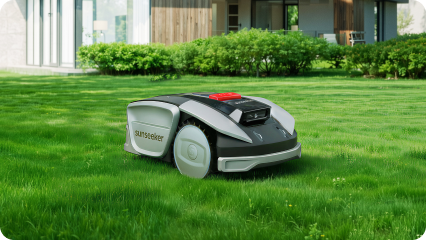
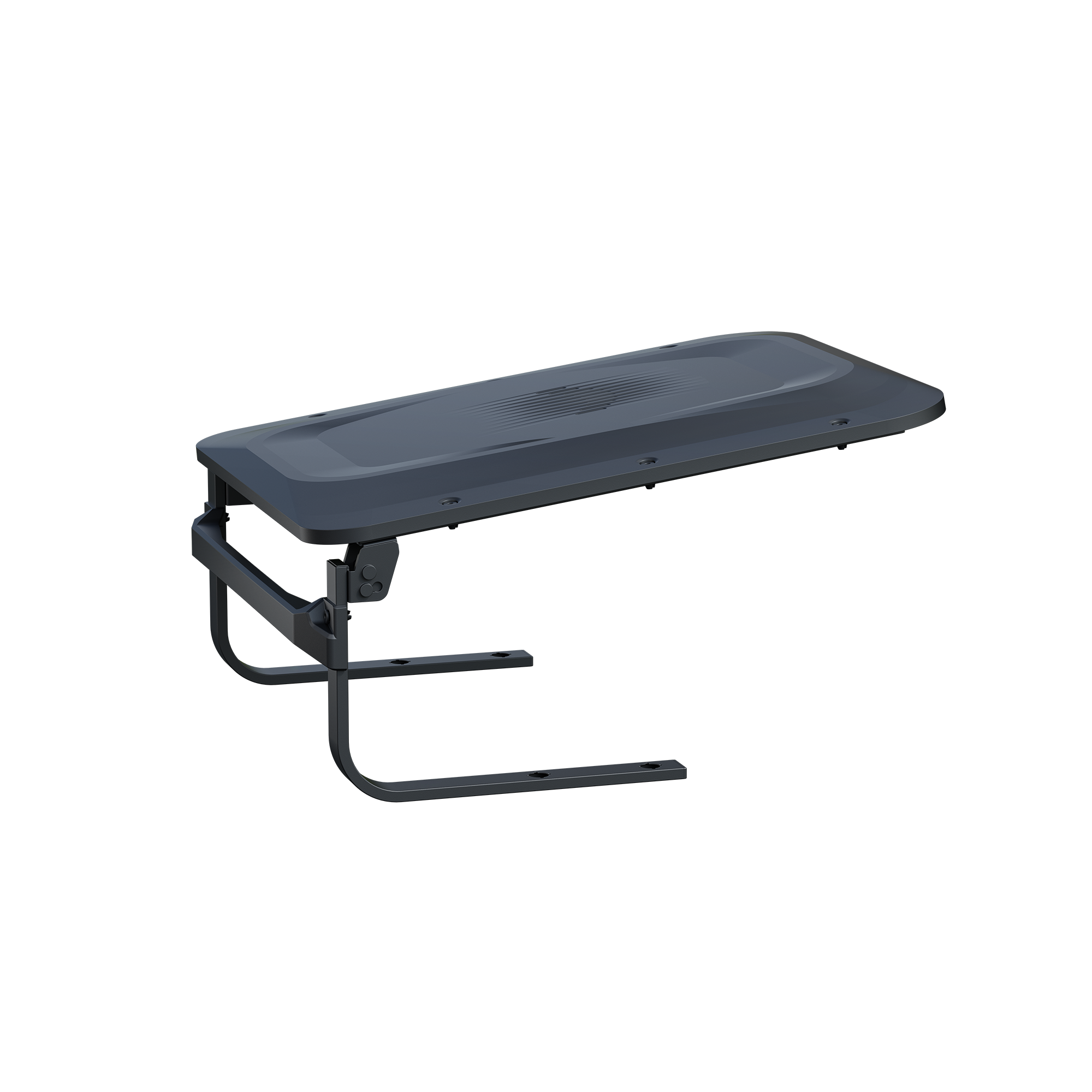
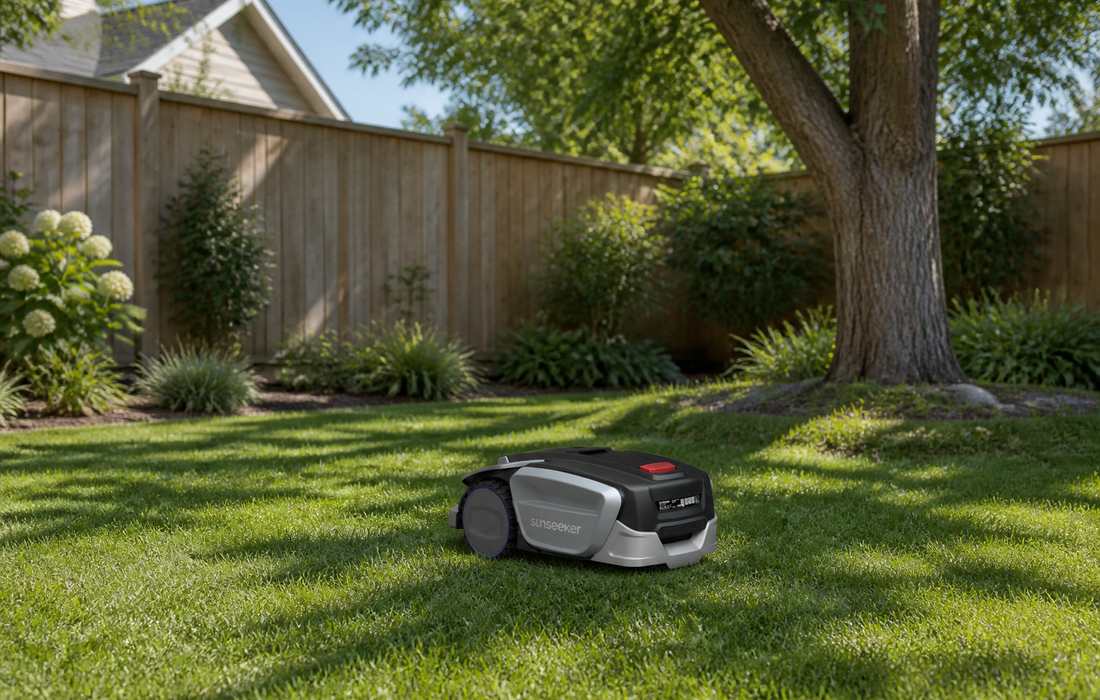
Keep it away from fuels, pesticides, pool chemicals, and electrical equipment. If you store Robot Lawn Mowers in the same shed, keep fertilizer containers in a separate area to prevent spills around the machines and charging equipment.
Keep children and pets away.
Use a locked cabinet or secure storage area to prevent accidental access.
Mark the storage date.
Write down when you purchased or opened the fertilizer, and check the manufacturer's shelf-life guidance before using it again.
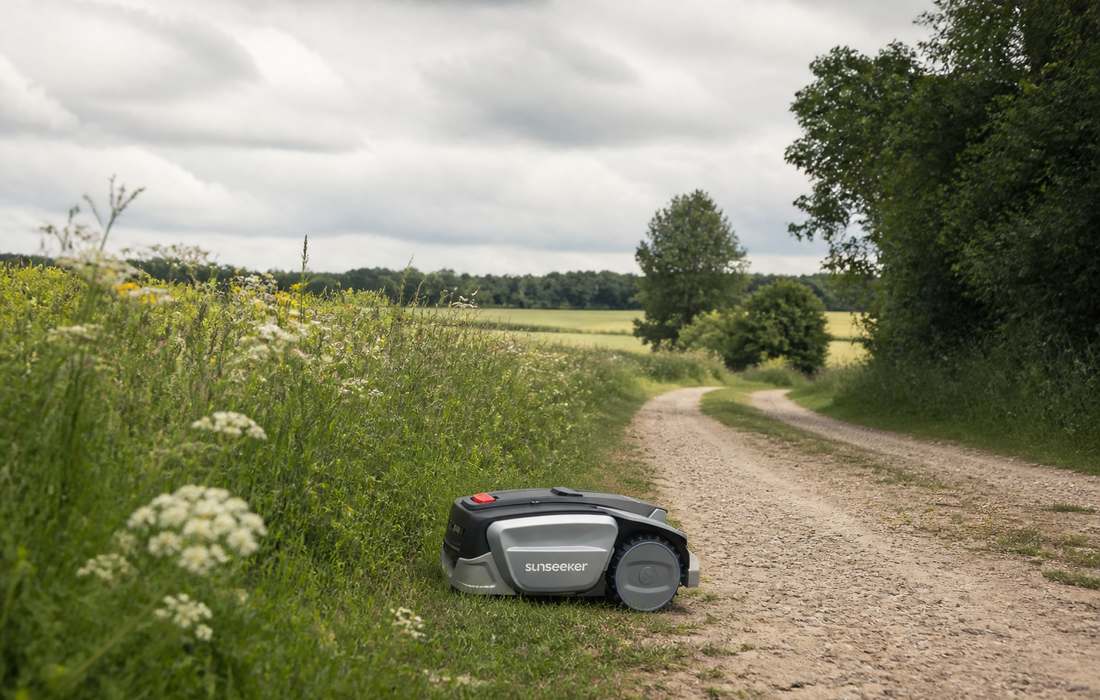
As the next growing season approaches, plan your fertilizing and mowing schedules together. If you use a robotic mower, adjust the timing and frequency of cuts according to grass growth and the fertilizer's application instructions. The Sunseeker S5 lets you customize mowing schedules through its app, making it easier to coordinate regular mowing with seasonal lawn care.
Conclusion
Lawn fertilizer can remain usable for years when stored properly, but moisture, extreme temperatures, and damaged packaging can affect its quality. Check dry fertilizers for hard clumps and liquids for unusual separation or sediment. Products containing herbicides or other active ingredients also need closer attention to their shelf-life instructions.
Keep fertilizer sealed, dry, and clearly labeled between seasons. If an older product shows signs of deterioration, check with the manufacturer before using it. Dispose of unusable products according to local waste guidelines.
FAQ
Can You Break Up Clumped Granular Fertilizer?
Only minor clumps, and only if the label allows it and the granules come back to a dry, free-flowing state. A hardened or moisture-damaged bag will spread unevenly however much you break it up, because crushing changes the particle size the label rate was written for. Replacing it costs less than a striped lawn.
Can Diluted Liquid Fertilizer Be Saved for Later?
Use it promptly unless the manufacturer specifically says the mixture keeps. Water changes stability and opens the door to contamination, and settled material no longer delivers the labeled concentration even when it looks fine. Do not hold a mixed tank for weeks on the strength of a general shelf-life figure.
Can You Mix Leftover Fertilizers in One Container?
No. Different nutrient grades, coatings and active ingredients can react with each other or settle out, and the result has no label rate you can trust. Keep each product in its own marked container, and apply it only for the turf use its own label states.