In September, a thin lawn often has warm soil, cool nights, and weeks of growing time left. Spread the same seed in late November and it may sit in cold ground until spring. People call both of these fall seeding, but they work differently, and confusing the two is a common reason seed fails.
Can you seed a lawn in the fall, then? For most northern and transition-zone yards, yes, though your grass type and local first-frost date decide how.
Which Grass Types Can You Seed in Fall?
Cool-season grasses keep growing roots and leaves as nights cool, which is why they suit autumn sowing. The answer to when to seed a lawn in the fall still shifts with latitude, elevation, and frost dates. Each species also has its own timing.
Tall fescue: Often seeded from late August through September in northern and transition areas. In warmer parts of the transition zone, early October may still work if enough establishment time remains.
Kentucky bluegrass: Can be seeded in the same late-summer to early-fall window, but it germinates more slowly and needs time to form rhizomes and roots.
Perennial ryegrass: Germinates quickly, often within 5 to 10 days under favorable conditions, making it useful for repairs where the window is short.
Fine fescues: Suitable for many shaded or low-input cool-season sites, with timing similar to other cool-season grasses.
Warm-season grasses: Bermudagrass, zoysiagrass, and similar species establish from seed in late spring or early summer, once the soil has warmed. For a bermudagrass yard, the honest reply to "can you seed lawn in the fall" is to wait until early summer.
A local extension calendar beats any national date. In the Mid-Atlantic, cool-season seeding often runs from mid-August to mid-October, while colder northern areas need to finish sooner. Farther south the season stretches later, but seedlings still need time to settle in before winter.
How Do You Find Your Local Fall Seeding Window?
Calendar dates only get you close. Soil and weather give a clearer picture of when to seed lawn in fall, and three checks tell you whether enough growing time remains.
Soil Temperature
Many cool-season grasses germinate well when soil temperatures are roughly 10–21°C, measured about 3 cm deep. Tall fescue and perennial ryegrass often favor the warmer part of that range, while Kentucky bluegrass can germinate over a broader range. A soil thermometer gives a better signal than a single warm afternoon.
Expected Frost Timing
Count backward from the typical first killing frost for your location. A new cool-season lawn often needs about six to eight weeks of favorable growth to develop roots and enough leaf area for winter. Slower species or difficult sites may need longer. If only two or three weeks remain, active fall seeding may produce seedlings too small to survive winter reliably.
Seed Establishment Time
Use the species on the bag to estimate germination and early growth. Perennial ryegrass may appear in a week, while Kentucky bluegrass can take two to four weeks. Germination is only the start; young plants still need time to produce leaves and roots. If the window is short, consider waiting for the dormant-seeding period rather than expecting a late sowing to establish before frost.
How Does Early-Fall Seeding Differ From Dormant Seeding?
Both methods put seed down in autumn or winter, but only one expects it to sprout right away. The table breaks down the differences in goals, conditions, and risks.
| Feature |
Active early-fall seeding |
Dormant seeding |
| Main goal |
Sprout and establish before winter |
Keep seed dormant until spring |
| Typical timing |
Late summer to early fall, often August-September |
Late fall or winter, once the soil is too cold for germination |
| Soil condition |
Moist, workable soil at 10-21°C |
Cold soil, consistently below about 4°C |
| Watering |
Keep the seedbed evenly moist during germination |
Relies on winter rain and snow. Water as needed after spring emergence |
| Main risk |
Seedlings may be too young when hard freezes arrive |
A warm spell can trigger sprouting before another freeze |
Dormant seeding is not simply regular seeding done late. Turf guidance says it can be done any time the soil stays below 4°C. In many cold northern regions, that's typically late autumn through late winter. Keep an eye on the long-range forecast so a brief warm-up doesn't wake the seed early. On slopes, avoid seeding frozen ground, where melting snow can carry seed away.
How Do You Seed a Lawn During the Fall Growing Window?
Good timing only pays off if the seed reaches bare soil and stays moist through germination. Do the prep while the ground is still easy to work, then follow this order.
Step 1. Prepare the Seedbed
Mow existing grass slightly shorter than normal and remove leaves, loose thatch, and debris. Rake bare or thin areas to expose soil. If compaction is present, core aerate before seeding. Correct drainage and grading problems first; seed cannot repair a low area that remains saturated.
Step 2. Spread Suitable Grass Seed
Choose a species or mixture suited to the sun, soil, and local climate. Use the label's overseeding rate for thin turf and the new-lawn rate for bare soil. Calibrate the spreader and divide the seed into two portions, applying one in each direction for more even coverage. Do not use a new-lawn rate across an established lawn unless the label specifically recommends it.
Step 3. Press Seed Into Contact With the Soil
Lightly rake or roll the area so seed settles firmly against the soil. Grass seed is small and shouldn't be buried deeply. When a covering is needed, about 6 mm of soil or compost is plenty. On slopes or exposed ground, a seed blanket helps prevent erosion and keeps seed in place.
Step 4. Begin Gentle Watering
Use a fine spray to moisten the top layer without washing seed into low spots. Keep the surface evenly damp during germination, then gradually reduce frequency as roots develop. If rain is forecast, adjust irrigation to avoid saturated soil and runoff.
How Can You Judge Establishment Before Winter?
Before winter, aim for a rooted stand of grass rather than a finished lawn. Checking the same spots each week makes progress easier to see.
Seedlings have emerged across most of the prepared area, not only along the edges.
Young plants have several leaves and resist a gentle tug because roots are anchoring them.
The lawn has been mowed when it reached the appropriate height, without pulling seedlings from the soil.
Fallen leaves are not forming a thick mat over new grass.
Bare areas that failed to germinate have been identified before the ground freezes.
New cool-season grass is usually ready for its first cut at about 8 to 10 cm. Take off no more than one-third of the blade, and if seedlings still look thin or weak, give them more time.
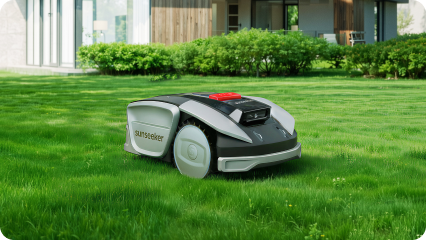
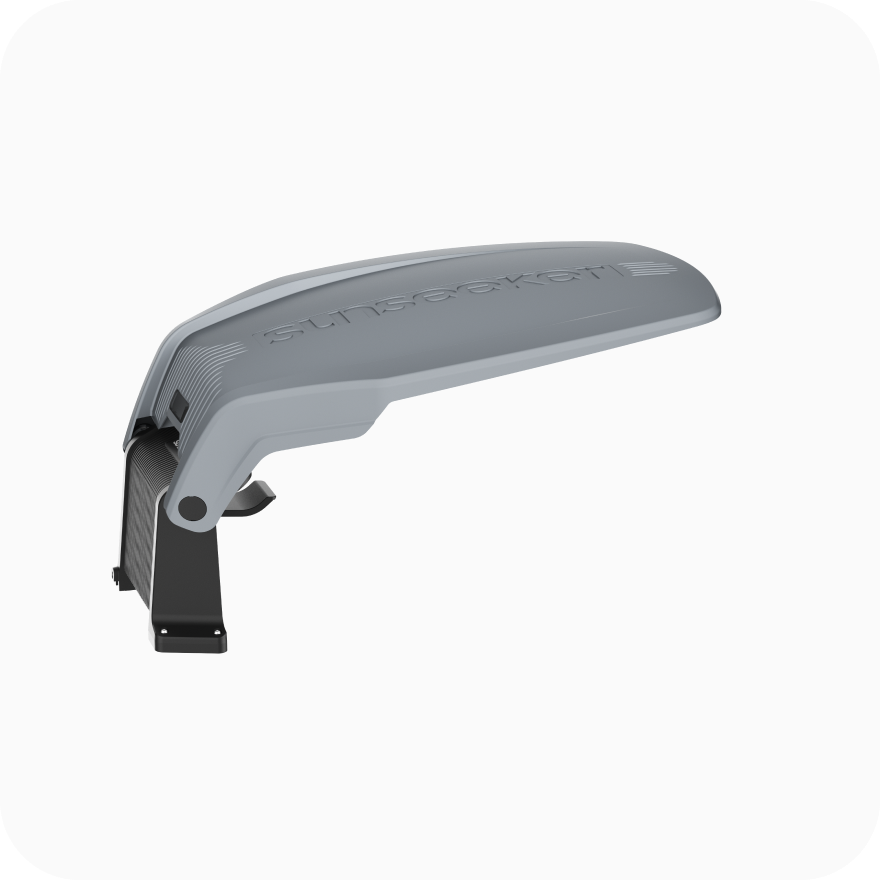
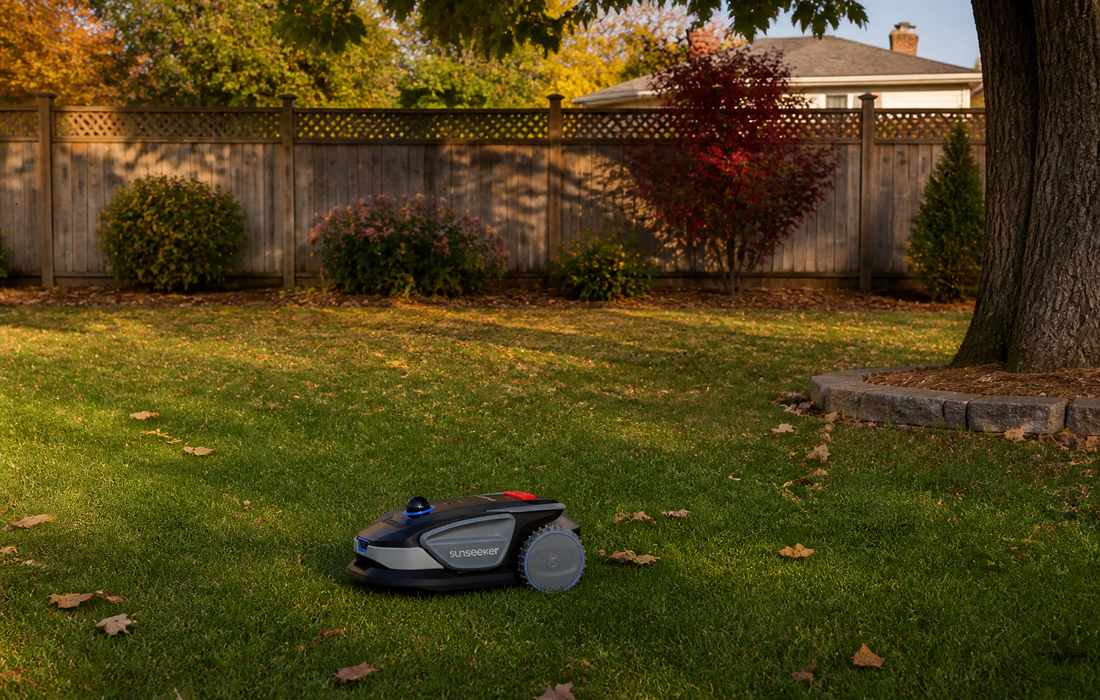
Once the seedlings pass the tug test, regular light mowing helps them thicken before winter and fill in again in spring. The Sunseeker S4 suits that kind of steady upkeep. It sets up without buried boundary wire, so there's no trench to cut through a fresh seedbed. You set the mowing schedule in the app, and frequent short runs keep the young grass from getting far ahead of its target height.

If your property has several separate lawn areas, theGPS Robot Mowers can split it into zones, each on its own schedule. That lets a newly seeded section rest while the established lawn keeps its usual routine. Built-in rain detection also helps in fall, since mowing damp soil is an easy way to leave ruts.
Conclusion
Fall seeding succeeds when grass has time to sprout and root before the cold arrives. For cool-season lawns, that means late summer to early fall, while dormant seeding waits until soil stays below 4°C. Pick a species suited to your site, keep the seedbed moist, and judge readiness by how firmly seedlings hold the soil, not by the date. Get the timing right this autumn, and next spring starts with a thicker lawn and fewer bare patches to fix.
FAQ
Can You Seed Over a Layer of Fallen Leaves?
No. A thick leaf layer blocks seed-to-soil contact and can smother emerging seedlings. Remove or shred leaves before seeding, then keep the surface clear while new grass develops. A light scattering of finely shredded leaves may break down, but intact wet leaves should not cover a new seedbed.
What Happens If Grass Seed Does Not Sprout Before Winter?
Seed spread in the dormant window can stay viable until spring. Seed that sprouts too late in fall is more likely to be killed by freezing. If your fall seeding hasn't come up before cold weather sets in, check the area in spring. Reseed any bare spots during the next good growing window, usually mid-spring for cool-season grass.
Can Fall Weed Control Interfere With Seeding?
Yes. Some pre-emergent herbicides prevent grass seed from germinating, and certain post-emergent products can injure young seedlings. Check the label for the reseeding interval before applying any weed control. If the product and seed timing conflict, complete the seeding first or delay treatment as directed.