When the lawn is wet, mowing becomes more difficult. Grass clumps more easily, the soil can turn muddy, and the cut may come out uneven. So, can you mow wet grass, especially after rain or early in the morning?
This article looks at the main risks and the best way to deal with wet conditions. You will see how moisture affects both lawn health and mower performance, so you can make better choices and avoid damage.
Can You Mow Wet Grass?
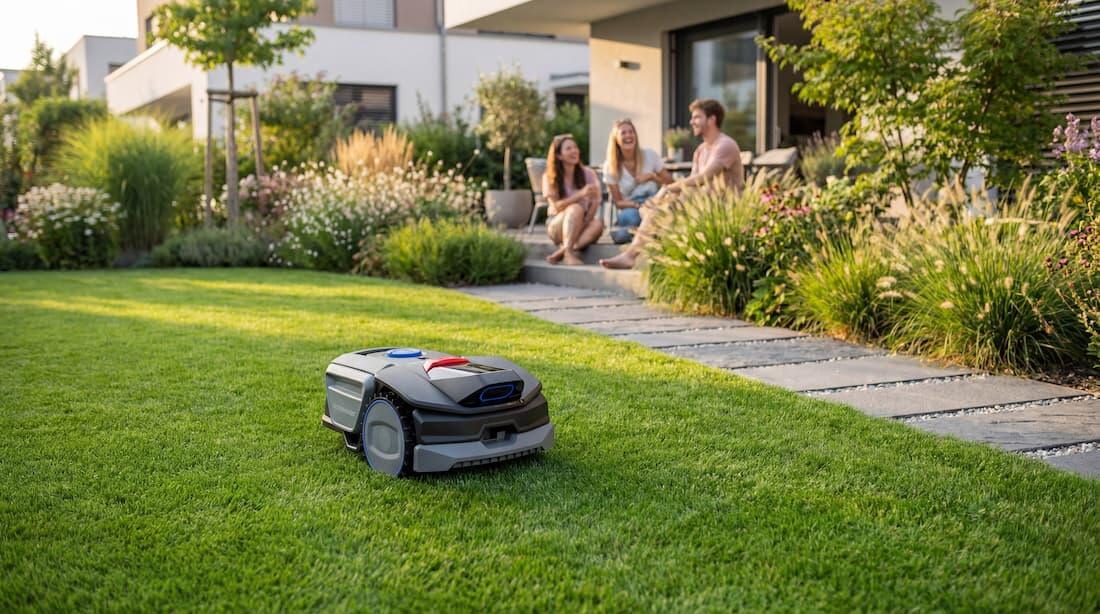
Many people wonder whether can you mow a wet lawn or if it’s better to wait. The short answer is yes, but it’s not recommended unless absolutely necessary. Wet grass blades tend to bend rather than stand upright, which makes it harder for the mower to trim evenly. Additionally, mowing in these conditions can increase the risk of lawn disease, cause soil damage, and even put extra strain on your mower.
Why Not to Mow Wet Grass?
Before starting your mower after it has rained, it helps to understand why wet grass can cause problems. There are seven reasons why mowing under these conditions is usually discouraged:
1.Uneven and Patchy Cutting Results
Wet grass becomes heavy and clumps together, resulting in uneven heights across your lawn. As a result, mower blades struggle to trim cleanly and often tear the grass instead. This creates a rough, patchy, and uneven appearance that detracts from your lawn's overall look.
2.Higher Risk of Lawn Diseases
Frequent rainfall creates the perfect environment for lawn diseases to develop. When you mow a wet lawn, the clippings tend to stick to your mower, which allows fungi and mold to grow and spread. These organisms can spread across your lawn, increasing the risk of infections such as anthracnose and red thread. Over time, these infections can weaken and damage your grass.
3.Slippery and Unsafe Conditions
Wet grass makes the ground slippery, especially on slopes. This reduces stability while mowing and increases the risk of slipping, which can lead to accidents.
4.Potential Damage to Your Mower
Mowing a wet lawn can damage your lawn mower. Moisture from wet grass can seep into the sensitive parts of the mower, including the fuel system. This can cause the engine to malfunction or stop working altogether. Wet clippings can also clog the blades and deck, and cause rust or corrosion on metal components.
5.Soil Compaction and Poor Lawn Health
When the ground is wet, it becomes softer and more vulnerable to pressure. Walking on wet soil or using a lawn mower can compact the soil, making it harder for roots to grow and absorb water and nutrients. Also, wet grass can block airflow, which can make it hard for your lawn to stay healthy.
6.Stains on Clothes and Shoes
Freshly cut grass sticks easily to surfaces, including your clothes and shoes, when it is wet. Unlike dry clippings, wet grass leaves behind green stains that are difficult to remove, making the task more inconvenient and adding extra cleanup time after mowing.
7.Ineffective Mulching
Many homeowners use mulching as a natural way to fertilize their lawns. However, mowing grass when wet makes this process less effective. Instead of spreading evenly, wet clippings clump together in thick patches. These clumps can block sunlight and prevent nutrients from being spread evenly, which reduces the benefits of grasscycling and can harm your lawn’s growth.
What to Do If You Want to Mow Wet Grass?
If you still need to mow when the grass is wet, there are ways to reduce the risks.
1.Remove Excess Moisture First
Reduce the surface moisture on your lawn. One easy method is to drag a garden hose across the grass to remove water droplets from rain or morning dew. If possible, wait until the lawn has dried, as the best time to mow lawn is generally when the grass is dry rather than covered with moisture. This will also reduce the grass's slipperiness and make mowing easier.
2.Use a Robotic Lawn Mower for Better Control
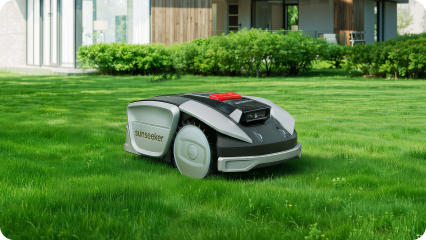
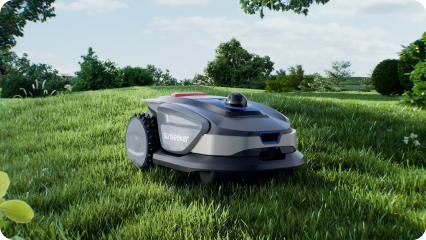
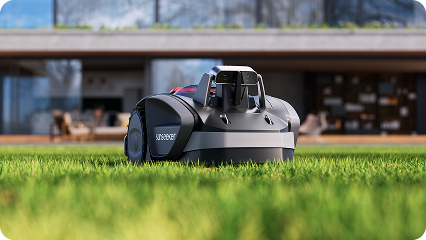
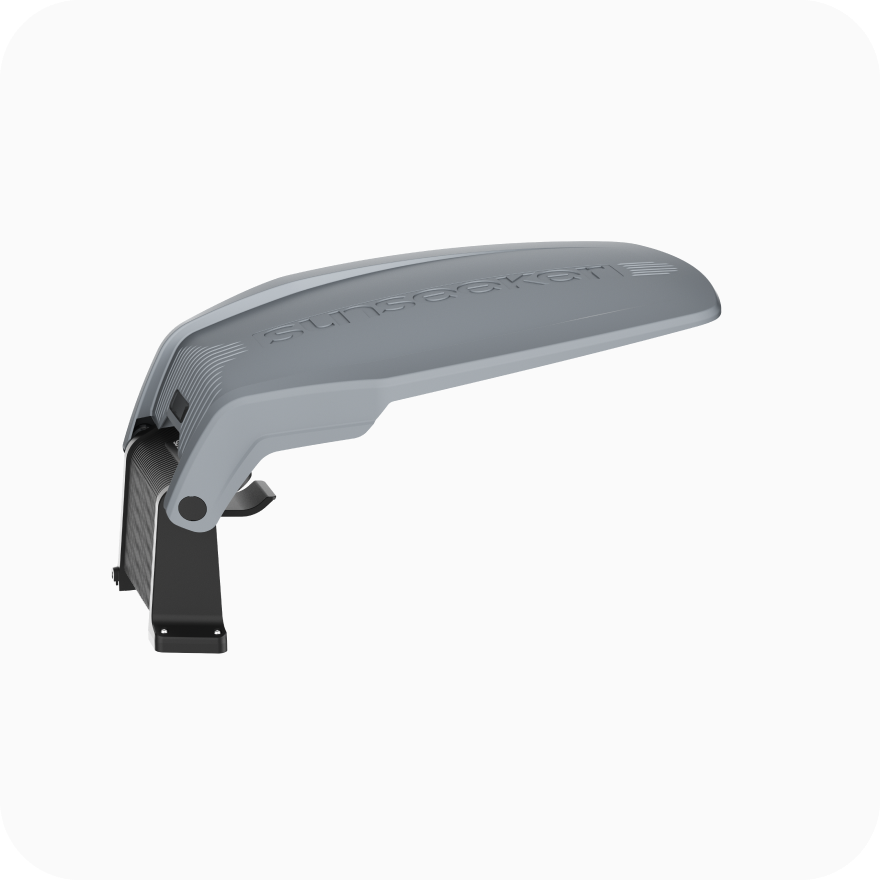
Use a mower designed for tougher conditions like the Sunseeker S3 . It features a Floating Cut System that adapts well to dense grass and uneven terrain, ensuring a cleaner cut even in damp conditions. Its cutting height range of 20 to 60 mm makes it suitable for different lawn conditions.
3.Raise Your Mower Height
Set your mower a few notches higher than usual, ideally around 10 cm. This reduces the amount of grass being cut in one pass, making it easier for your mower to handle wet conditions. A higher setting also prevents unnecessary strain on the engine.
4.Mow at a Slower Pace
Wet grass is thicker than dry grass, which means the mower needs more time to trim it properly. Instead of rushing, set the mower to about half its normal speed. This allows the blades to work more effectively, as slowing down reduces strain on both your mower and your lawn.
5.Overlap Your Passes by 50%
When mowing wet grass, overlap each pass by about 50%. This means that half of each row will cover grass that has already been cut, while the other half will trim new grass. This technique reduces strain on your mower and helps break up clumps of wet clippings. It spreads the clippings more evenly across your lawn instead of leaving thick patches behind.
6.Follow the 1/3 Rule
Avoid cutting more than one-third of the grass blade length in a single session. This rule becomes even more important when dealing with wet grass, because cutting too much at once can overwhelm your mower and damage the grass. Following this rule also supports a healthier lawn and a smoother mowing process.
7.Clean Your Mower After Use
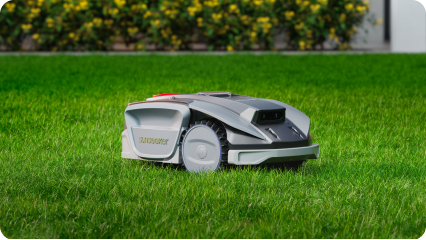
Make sure to thoroughly clean all parts of the mower, especially the deck and blades, after each use. Wet grass clippings can stick and accumulate quickly, which may reduce performance over time. If you’re concerned about durability and moisture exposure to the mower, consider a model like Sunseeker V1 , which features IPX5 waterproofing and is better suited to handle cleaning and damp conditions reliably.

Conclusion
So, can you mow wet grass? Yes, but it often leads to uneven cuts, safety risks, and extra strain on your lawn and mower. Waiting until the grass dries is still the safer choice. Before starting early in the morning or later in the day, you may also want to check local noise rules if you're wondering what time can i legally mow my lawn, as permitted mowing hours can vary by location. If mowing in damp conditions cannot be avoided, using the right methods and equipment helps reduce problems and keep your lawn in better shape. Tools designed for control and consistency, like those from Sunseeker, can support more reliable results even in less ideal conditions.
FAQs
How wet is too wet to mow grass?
Grass is too wet to mow when water is visibly pooling on the surface or when the soil feels soft enough to leave deep footprints. If grass blades are sticking together and feel slick, conditions are not ideal. It’s best to wait until the lawn is slightly damp rather than fully saturated for safer mowing.
How long after rain should I wait to cut the grass?
Generally, you should wait at least 24 hours after it rains before mowing your lawn. This gives the grass and soil enough time to dry properly. However, the exact timing depends on sunlight, temperature, and drainage conditions. Always make sure the grass feels dry and firm before starting to mow.
What happens if you mow wet grass?
Mowing wet grass can lead to uneven cuts because the blades bend instead of standing upright. It also causes clumping, which may block sunlight and airflow. Additionally, it can strain your mower, increase the risk of slipping, and spread fungal diseases more easily, all of which can negatively affect your lawn’s health.
Can you mow the lawn in the rain?
It is not okay to mow your lawn after it rains. Wet grass sticks, cuts unevenly, and makes the ground slippery. It can also strain your mower and damage the lawn. Mowing after raining is better for a cleaner and safer result.