Most homeowners cut grass based on convenience, not strategy, and that’s exactly why their lawns look inconsistent, thin, or stressed. The reality is simple: the best time to mow lawn directly impacts how well your grass grows, recovers, and resists disease. Cut at the wrong time, you weaken the turf. Cut at the right time, you get thicker, greener, more resilient grass with less effort.
This guide breaks down exactly when is the best time to mow the lawn, including daily timing, seasonal adjustments, and critical mistakes to avoid, so you stop guessing and start getting consistent results.

Best Times to Mow Your Lawn During the Day
Choosing the best time of day to mow the lawn isn’t arbitrary, it determines how well your grass recovers and how clean the cut will be.
Morning (8 AM - 10 AM)
Most professionals agree this is the optimal window for mowing. Enough time has passed for the early morning dew to dry, yet the sun’s peak heat has not yet arrived. This allows the grass to heal and dry throughout the day before the humidity of nightfall sets in.
Late Afternoon (4 PM - 6 PM)
This is considered the second-best time to mow. Temperatures begin to cool, reducing stress on the grass after it is cut. It still provides enough remaining daylight and warmth for the lawn to recover before the risk of evening fungal infections increases.
Best Time to Mow during Each Season
The best time of day to mow lawn in hot weather or cooler seasons shifts based on growth patterns and temperature stress; ignoring this leads to weaker turf.
Spring
The timing for the first mow varies by region; warm areas typically begin in March, while cold regions may wait until late April or May. Once growth starts, the best time of day to mow is between 8 AM and 10 AM, after the dew has evaporated, or in the late afternoon from 4 PM to 6 PM.
Summer
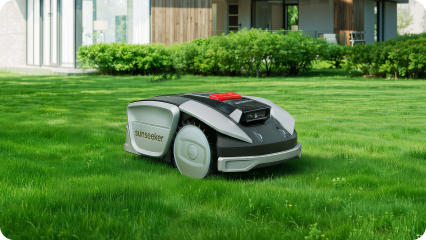
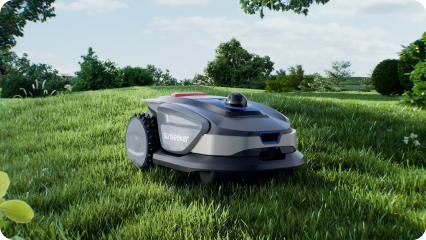
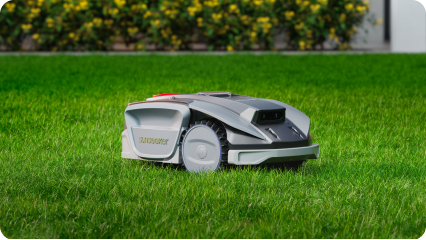
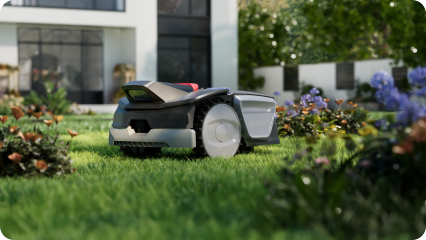
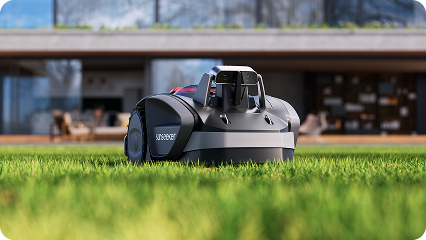
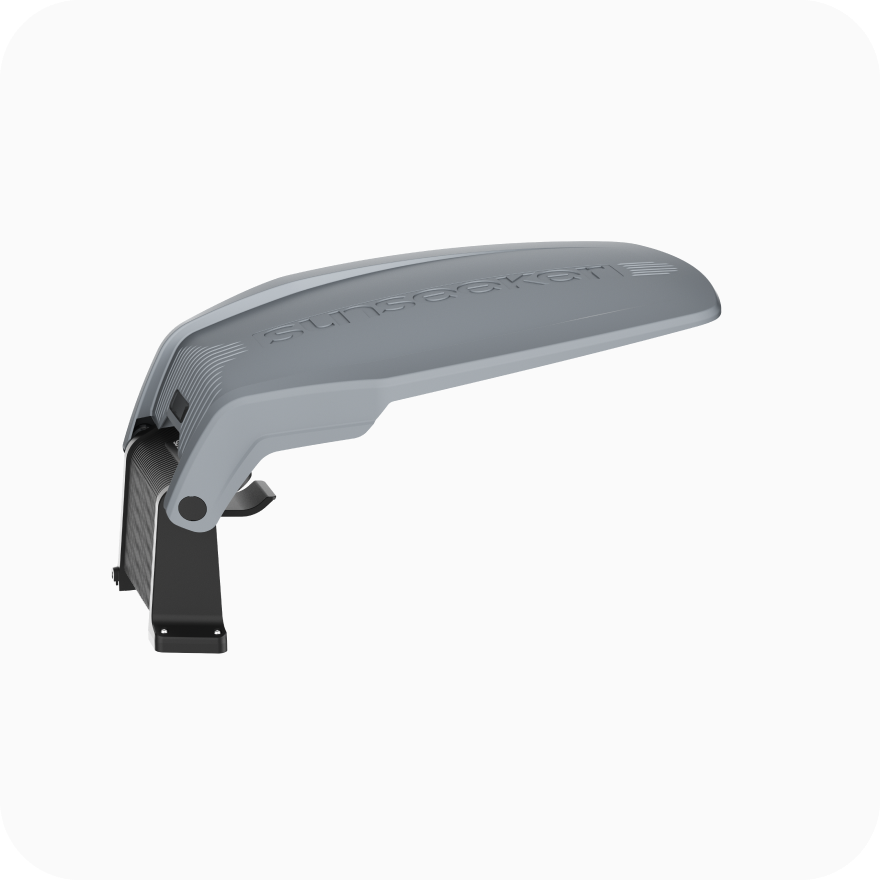
The best time to mow lawn in summer is either mid-morning (8 AM – 10 AM) or late afternoon (4 PM – 6 PM) to avoid peak heat. Mowing during these windows protects the grass from heat stress and allows it to recover before nightfall. In high-growth months, you may need to mow once a week or more. Using a Sunseeker S3 can be particularly effective during this season, as its floating cut system and 5 TOPS AI chip allow it to adapt to dense grass and navigate complex yard environments with precision.
Fall
As temperatures drop, the best window for mowing shifts to 8 AM – Noon, depending on local temperatures. In the transition zone, homeowners may stop mowing warm-season lawns by October or November as they enter dormancy. It is recommended to perform a final cut roughly one week before the first frost to prevent winter mold and fungus.
Winter
Mowing is usually unnecessary during winter because most grass enters a period of dormancy. However, in subtropical climates or during unseasonably warm spells where growth continues, an occasional mow may be required.
For those who need to maintain their lawn year-round, the Sunseeker S4 is an ideal tool; its AllSense 3D Fusion technology and 10 TOPS upgraded chip provide twice the processing power, allowing it to navigate narrow passages and handle steep slopes up to 42% (22°) with ease.
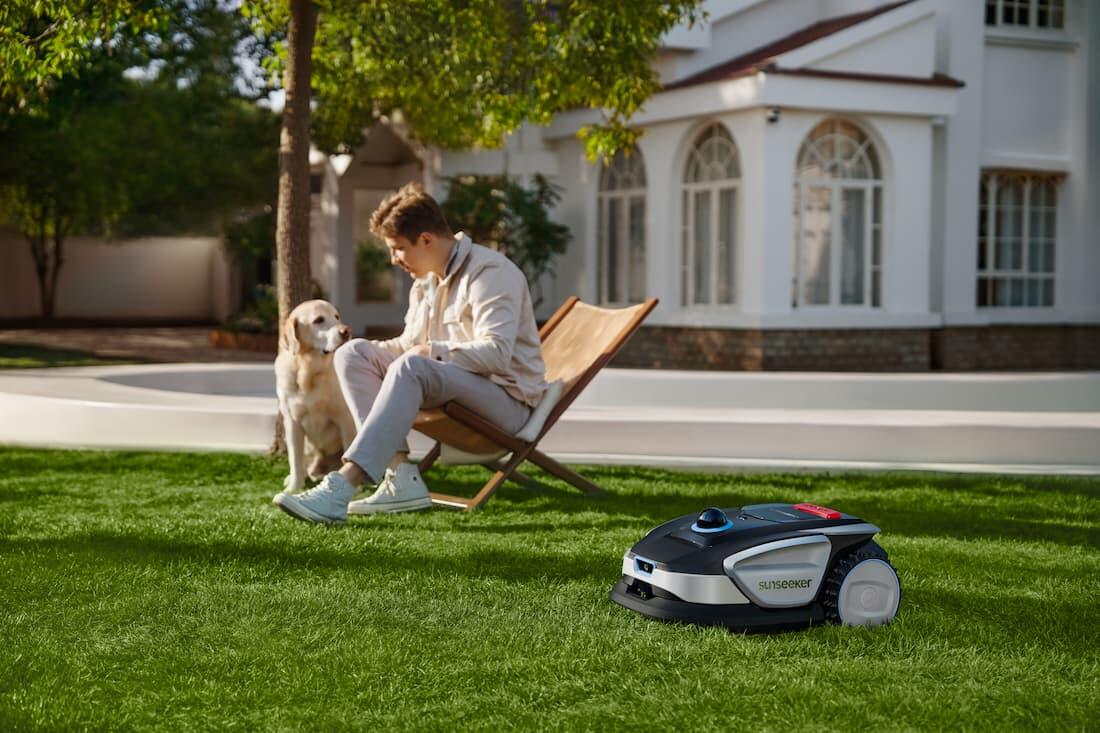
When to Avoid Mowing Your Lawn
Knowing when not to mow is just as important as knowing the best time of day to mow lawn, bad timing causes more damage than skipping a session.
Early Morning
Cutting before 8 AM is discouraged because the grass is usually covered in morning dew. Wet grass clumps clog mower blades, resulting in an uneven cut. Furthermore, mowing wet grass creates the perfect environment for the spread of fungal diseases.
Mid-Day
Mowing between 11 AM and 3 PM is poor because the sun is at its highest, causing peak photosynthesis and moisture loss. Cutting grass at this time allows more moisture to evaporate, which can stress or even scorch the freshly cut turf.
Mid-Afternoon
While the late afternoon is ideal, the period immediately following midday still carries a high risk of heat stress. Mowing during peak heat can cause the grass to turn brown faster and weaken the lawn’s resistance to weeds and disease. It is best to wait for temperatures to subside.
At Night
Mowing after 6 PM should be avoided, as there is not enough light or heat left in the day for the lawn to recover. Lawns are most susceptible to fungal infections and disease after dark, and cutting late leaves the grass vulnerable throughout the night.
When Grass is Wet
If you're wondering can you mow wet grass, the answer is that it's best to avoid mowing when the lawn is wet from rain or irrigation. Wet grass clumps together, leading to visible ruts and soil compaction. Additionally, it often results in a ragged cut rather than a clean slice, which increases the risk of lawn disease.
How Often Should You Mow Your Lawn?
If you're trying to determine how often mow lawn throughout the year, the right frequency largely depends on the season and the growth rate of your specific grass type:
- Spring: Aim for every 7–10 days as the weather warms and grass wakes from dormancy.
- Summer: During peak growth, mow once or twice a week. If a drought occurs, reduce to every 7–14 days.
- Fall:As temperatures drop, growth slows, so mow as needed, roughly every 10–14 days.
- Winter: Mowing is minimal, often monthly or not at all, unless unseasonably warm weather triggers growth.
- General Rule:For optimal health, plan to mow every 4–6 days during your turf's active growing season
Expert Tips for the Perfect Lawn Mow
Even if you know when is the best time to mow the lawn, execution still determines results. These practical techniques are what separate a healthy, dense lawn from a stressed, uneven one.
- Follow the One-Third Rule: Never remove more than one-third of the grass blade height in a single session to avoid over-stressing the plant.
- Maintain Sharp Blades: Dull blades tear rather than slice grass, leading to a ragged look and increased disease risk; sharpen them at least once per season.
- Mow When Dry:Always wait for the grass to dry. Wet grass clumps clog mower decks and provide the ideal environment for fungal diseases to spread.
- Adjust Cutting Height:In summer, raise your mower blades to 7.5-10 cm. Taller grass shades the soil, reducing water evaporation and discouraging weed growth.
- Vary Your Pattern: Regularly change your mowing direction to prevent soil compaction and the formation of permanent ruts.
- Time It Right: The best windows are mid-morning (8 AM – 10 AM), after dew has evaporated, or late afternoon (4 PM – 6 PM), once the peak heat has passed.
Conclusion
The best time to mow lawn is when the grass is dry and the weather is mild. Mid-morning (8 AM – 10 AM) and late afternoon (4 PM – 6 PM) consistently produce the best results because the grass is dry, temperatures are moderate, and there’s enough time to heal before nightfall. Every mistake, mowing too early, too hot, or too late, directly weakens your lawn and cancels out other care efforts. Stick to proper timing, adjust for seasonal conditions, and follow basic mowing principles, and your lawn will become thicker, healthier, and easier to maintain without extra work.
FAQs
Is it better to cut grass at night or in the morning?
Mid-morning (8 AM – 10 AM) is the best choice because the dew has evaporated, allowing grass to dry and heal before nightfall. Conversely, cutting at night or after 6 PM is discouraged as it lacks recovery light and significantly increases the risk of fungal infections and disease.
When should you not cut grass?
You should avoid mowing in the early morning when dew is present, as wet grass clumps and spreads disease. Midday (11 AM – 3 PM) is also poor due to heat stress and moisture loss. Furthermore, never mow when the ground is wet, frozen, or frosty, as this compacts soil and damages the turf.
What is the best time to cut your grass in the summer?
In summer, mid-morning (8 AM – 10 AM) or late afternoon (4 PM – 6 PM) are the best times to avoid peak heat. To help the lawn stay healthy, raise your mower height to 7-8cm; longer blades provide shade to the soil and reduce water evaporation. This practice keeps the lawn luscious and prevents the grass from being scorched.
Is 7am too early to mow lawn?
Yes, 7 AM is generally considered too early to mow. At this time, the grass is typically covered in morning dew, resulting in wet clumps that can clog mower blades. Mowing wet grass also creates an environment that spreads fungal diseases and results in an uneven cut.