A well-maintained lawn starts with the right equipment, and choosing the best lawn mower can make yard care faster, easier, and more effective. From gas and battery-powered models to reel and riding mowers, each type offers different benefits depending on how and where it is used. The ideal mower depends on several factors, including your lawn size, terrain, budget, and maintenance preferences.
Whether you're replacing an aging machine, moving into a new home, or simply looking for a cleaner cut, understanding the different mower types is the first step. In this guide, we'll explore the most common lawn mower options, share top recommendations, and explain the key features to consider so you can find the best solution for your yard.
Types of Lawn Mowers for Your Yard
Different lawn mowers are designed for different yard sizes, terrain types, and maintenance preferences. Understanding the main categories can help you choose the right mower for your needs.
1. Push Mowers
Best for: Small yards
Push mowers require you to move the mower manually while the engine or motor powers the blades. They are lightweight, affordable, and easy to store, making them a practical choice for small, flat lawns with minimal obstacles.
2. Self-Propelled Mowers
Best for: Medium-sized or hilly yards
Self-propelled mowers use their engine or motor to drive the wheels forward, reducing the effort needed to mow. They are easier to handle on slopes and uneven terrain and are popular for medium-sized lawns that require regular maintenance.
3. Battery-Powered (Electric) Mowers
Best for: Small to medium suburban lawns
Battery-powered mowers offer quiet, emission-free operation without the maintenance associated with gas engines. They are easy to start, lightweight, and ideal for homeowners looking for a convenient and eco-friendly mowing solution.
4. Riding Lawn Mowers
Best for: Lawns larger than 2000 m²
Riding mowers allow you to sit and steer while mowing, significantly reducing mowing time on large properties. Although they cost more upfront, they provide comfort, efficiency, and greater cutting capacity for extensive lawn areas.
5. Robotic Lawn Mowers
Best for: Small to medium lawns requiring low-maintenance care
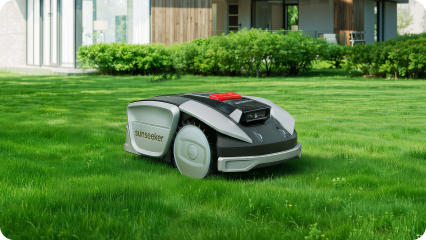
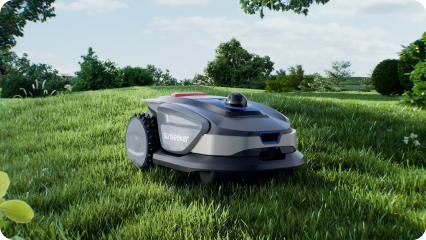
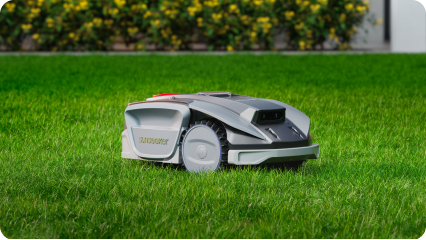
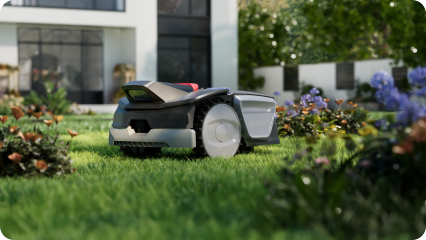
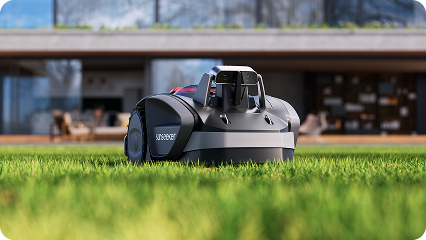
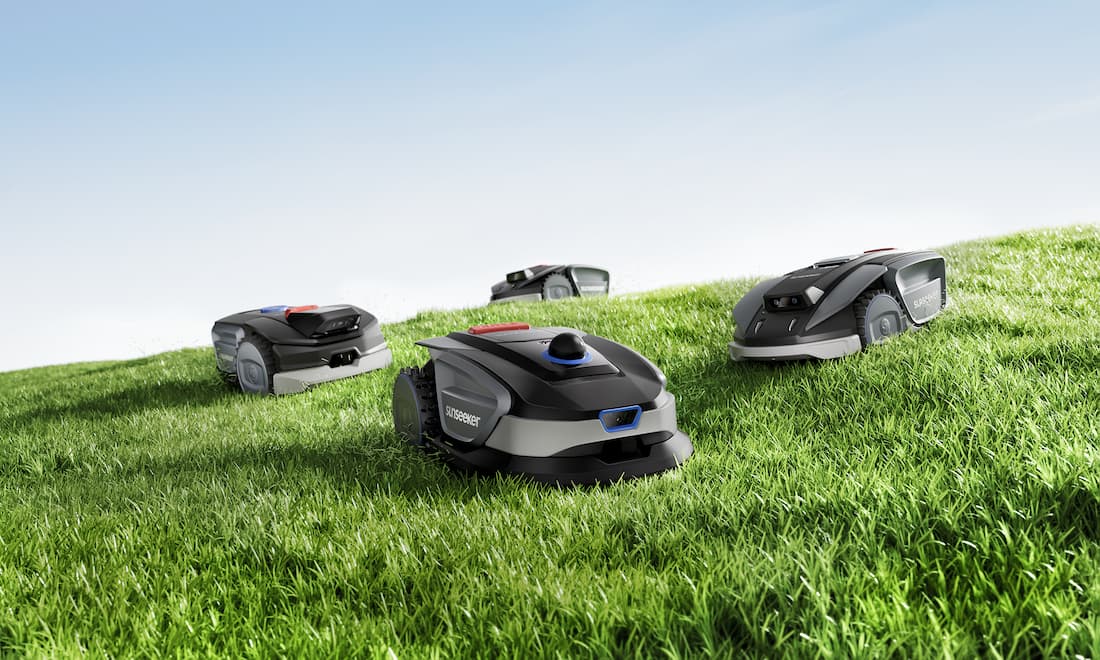
Robot lawn mowers automatically trim grass on a preset schedule with little user involvement. They return to their charging stations when needed and leave fine clippings behind, which naturally decompose and help nourish the lawn.
6. Reel Mowers
Best for: Small, flat lawns and precision cutting
Reel mowers use a scissor-like cutting action that cleanly slices grass blades, often producing the highest cut quality. Most models are manually powered, making them environmentally friendly, quiet, and well-suited for regularly maintained lawns.
Best Lawn Mower Recommendations
With so many lawn mowers available, narrowing down the right option can be challenging. To help simplify your search, we've selected some standout models from the best lawn mower brand that cater to different lawn sizes, terrain types, and maintenance preferences. Here are our top lawn mower recommendations for 2026.
Sunseeker V3
Best For: Small lawns up to 600 m² with clear borders and simple residential layouts
The Sunseeker V3 is designed for small yards that need easy automatic mowing without buried boundary wires or complicated installation. Its ReadyGo™ setup lets users start mowing quickly, while the app supports virtual boundaries, No-Go zones, channels, and separate schedules for different lawn areas. The V3 also uses dual-lens 3D vision to recognize obstacles in real time, cuts closer to borders to reduce manual trimming, and runs quietly at 55dB for routine mowing in residential spaces.
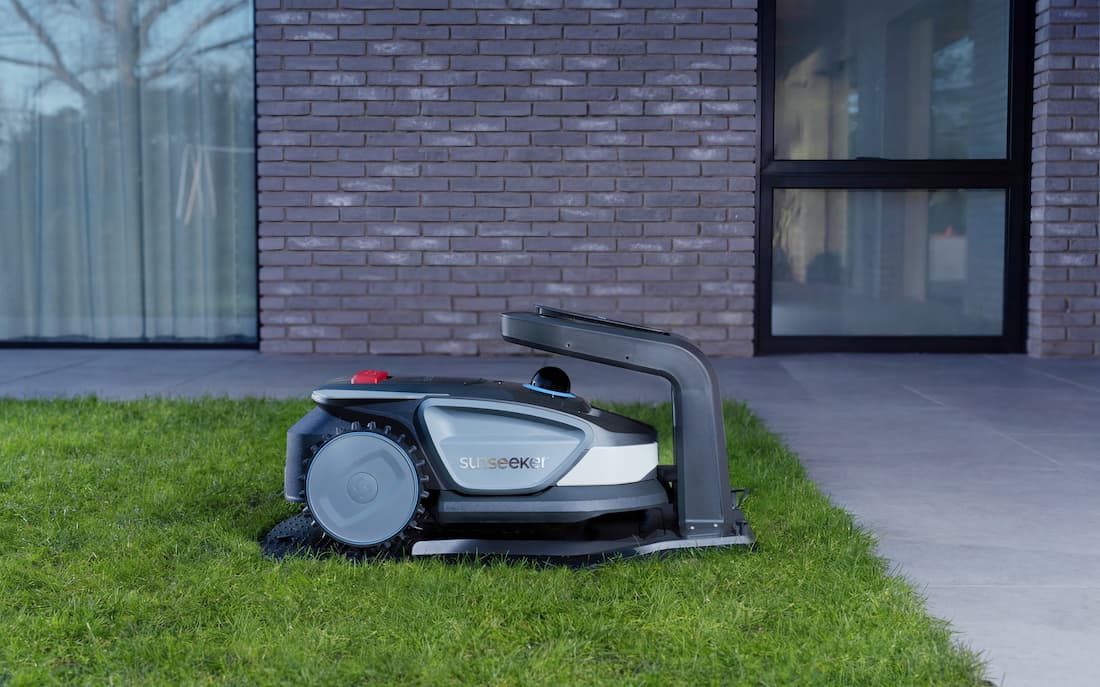
Sunseeker S4
Best For: Small-to-medium lawns up to 1,000 m² with shaded areas, narrow paths, and more complex layouts
The Sunseeker S4 is better suited for yards that are harder for basic robotic mowers to navigate. Instead of relying only on camera-based boundary recognition, it uses 360° 3D LiDAR with AllSense™ Vision AI to scan the lawn, build accurate maps, and keep moving reliably under tree cover, along tall structures, and through narrow passages. For homeowners with shaded gardens, flower beds, tight corridors, or changing yard obstacles, the S4 offers a more advanced automatic mowing setup than the V3.
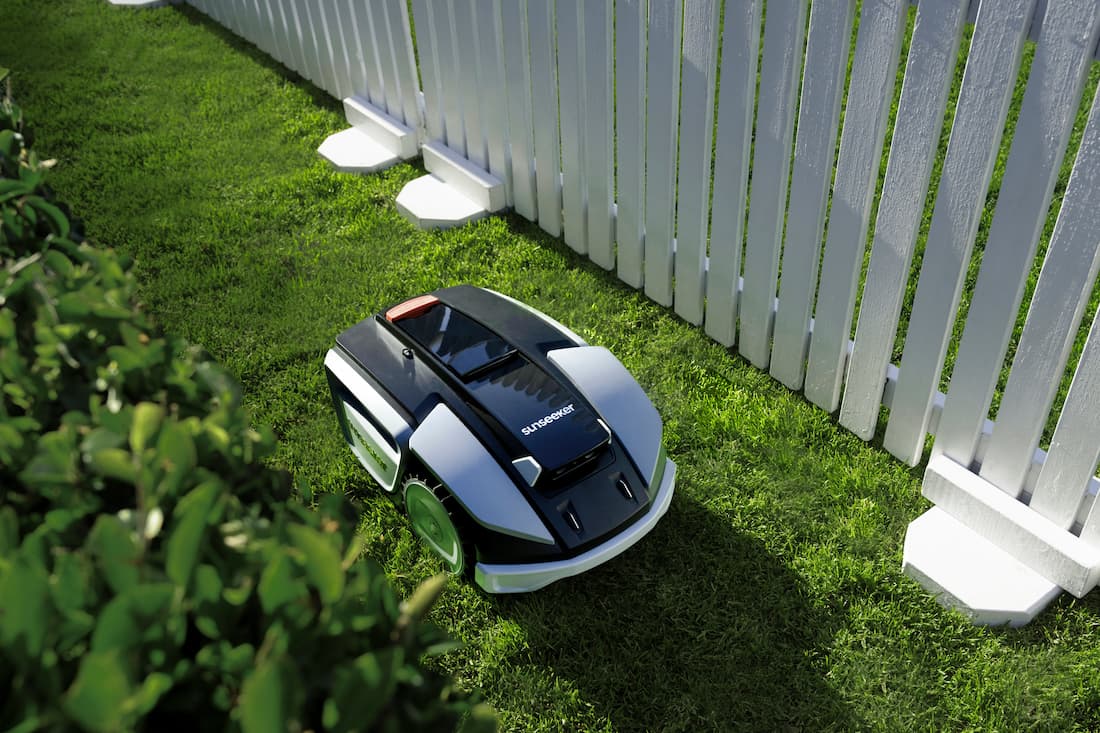
Sunseeker S5
Best For: Large lawns up to 1,600 m² with steep slopes and complex layouts
The Sunseeker S5 is designed for homeowners with larger or more complex yards that need advanced automatic mowing. Its RTK, AI, and VSLAM navigation technologies create accurate mowing routes without boundary wires, while all-wheel drive helps it handle slopes up to 60%. With smart mapping, obstacle avoidance, and voice assistant compatibility, the S5 is a strong option for users who want powerful, hands-free lawn care.
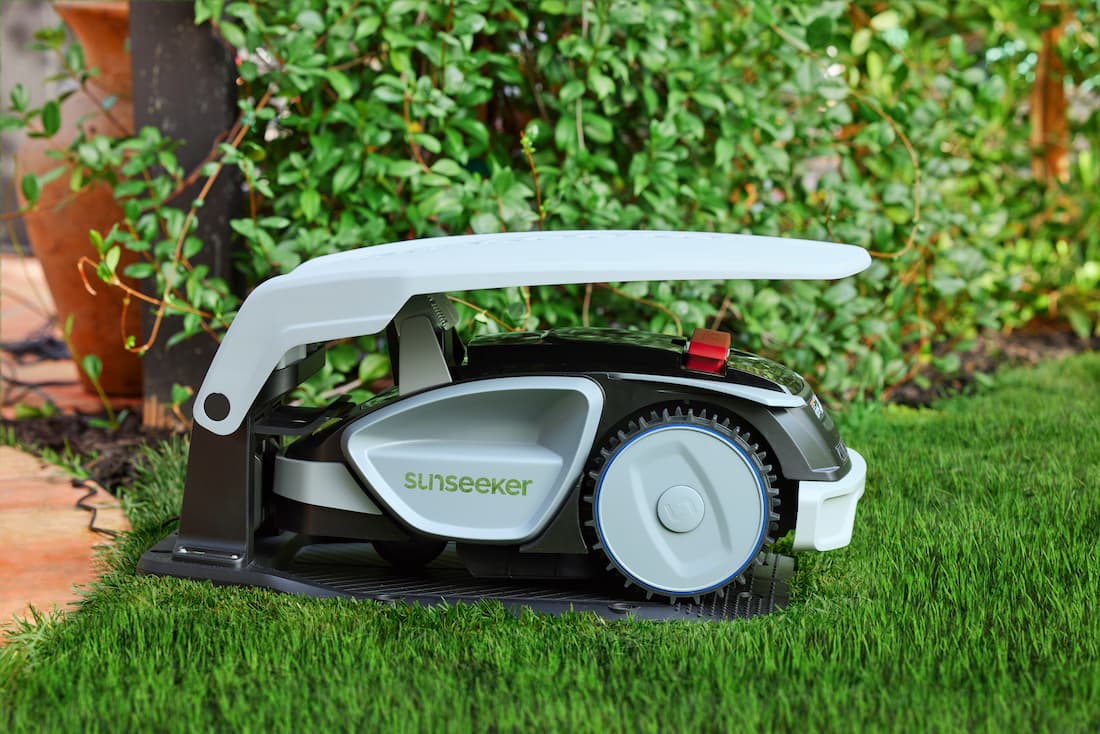
How to Choose the Best Lawn Mower?
Finding the best mower starts with understanding your yard, mowing habits, and the features that matter most. Consider the following factors before making your decision.
1. Match the Mower to Your Lawn Size
The size of your yard is one of the most important factors when choosing a mower. Small lawns can be maintained with push, reel, or battery-powered mowers, while larger properties often benefit from self-propelled, riding, or robotic models that cover more ground efficiently.
2. Compare Key Features
Look beyond the mower's power source and consider features that improve convenience and performance. Options such as mulching, bagging, side discharge, smart navigation, app controls, and attachment compatibility can make lawn maintenance easier and more versatile.
3. Consider Your Lifestyle and Schedule
Think about how much time and effort you want to spend mowing. Push and self-propelled mowers are ideal for hands-on homeowners, while robotic mowers automate the process and help maintain a consistently trimmed lawn with minimal involvement.
4. Evaluate Terrain and Obstacles
Your yard's layout matters just as much as its size. For hilly terrain, choose a mower designed for slopes, such as rear-wheel-drive, all-wheel-drive, or capable robotic models. If your yard includes trees, flowerbeds, or tight spaces, prioritize maneuverability and obstacle avoidance features.
Conclusion
Choosing the best lawn mower doesn't have to be complicated. By considering factors such as lawn size, terrain, features, and budget, you can narrow your options and choose with confidence. A well-matched mower not only improves cut quality but also saves time and effort, helping you maintain a neat, attractive yard throughout the growing season.
FAQs
Which type of lawn mower is best?
For most homeowners, the best grass mower type depends on yard size and mowing needs. Battery-powered mowers are popular for their quiet operation and low maintenance, while gas mowers provide more power for larger properties. If convenience is your priority, robotic mowers can handle routine cutting automatically. Choosing a mower that matches your lawn size, terrain, and budget will deliver the best results.
Which mower has the best cut quality?
For pure cut quality, reel mowers are often considered the best choice. Their scissor-like cutting action cleanly slices grass blades rather than tearing them, helping create a healthier, more manicured lawn. They work best on small, flat yards with regularly maintained grass. In addition to delivering a precise cut, reel mowers are quiet, environmentally friendly, and require very little maintenance compared to gas or battery-powered models.
What month is the best time to buy a lawn mower?
The best time to buy a lawn mower is typically during the fall and winter months, when retailers often discount older inventory to make room for seasonal products. If you want the widest selection of models and features, early spring is also a good option. While prices may be slightly higher, you’ll have access to the newest mower releases and occasional promotional offers.