The Current Market Price Range
For most residential users, the robot lawn mower market now offers a wide and well-defined range of price options rather than a single “average” benchmark. Entry-level models focus on basic automation for smaller, straightforward lawns, while more advanced machines add intelligent navigation, stronger terrain handling, and greater coverage capacity. As lawn size, layout complexity, and feature expectations increase, pricing scales accordingly.
Rather than referring to the average price in isolation, it is more practical to view pricing through clearly defined tiers. These tiers reflect both performance capability and real-world application needs, helping homeowners align budget expectations with functional requirements.
If you’re curious about what specific factors drive these price differences, such as navigation systems, battery performance, and smart features, and how they impact real-world use, we break it down comprehensively in our blog How Much Does a Robot Lawn Mower Cost? A Helpful Guide.
Finding Your Price: A Lawn-Specific Breakdown
The cost of a robotic mower is best understood by matching it directly to the size and complexity of your lawn. Instead of a single price, consider these three primary scenarios, which cover the needs of most residential properties.
Typical Robot Lawn Mower Price Tiers
|
Category
|
Lawn Size
|
Typical Price
|
Best For
|
Core Advantages
|
|
Budget Entry Level
|
Up to 800 m²
|
€800 – €1,200
|
City yards, townhouses, small courtyards
|
Affordable hands-free mowing, simple setup, efficient for compact spaces
|
|
Mid-Range Standard
|
1,200 – 1,600 m²
|
€1,400 – €1,800
|
Typical suburban homes
|
Strong balance of performance and smart features, wire-free navigation, app scheduling
|
|
Premium Performance
|
2,400 m²+
|
€2,500 – €4,000+
|
Large properties, slopes, complex layouts
|
All-terrain drive, multi-zone control, long runtime, high-precision navigation
|
1. Budget-Friendly Automation for Compact Lawns (Under 800m²)
-
Average Price Range: €800 – €1,200
-
Ideal Setting: Small city yards, townhouse gardens, and courtyard spaces.
-
Value Proposition: This tier offers the most accessible entry into hands-free lawn care. Models are designed for core automation on flat or gently sloped terrain.
-
Expected Capabilities: These entry-level models focus on core automation for flat or gently sloped terrain. Setup often involves a perimeter boundary wireor Vision AI. Their battery capacity and cutting width are optimized for smaller areas, providing an efficient and cost-conscious entry into robotic lawn care.
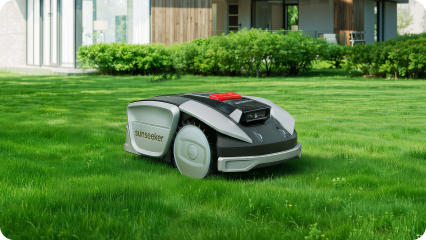
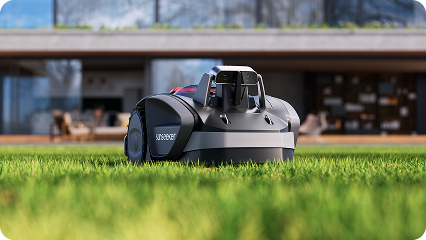
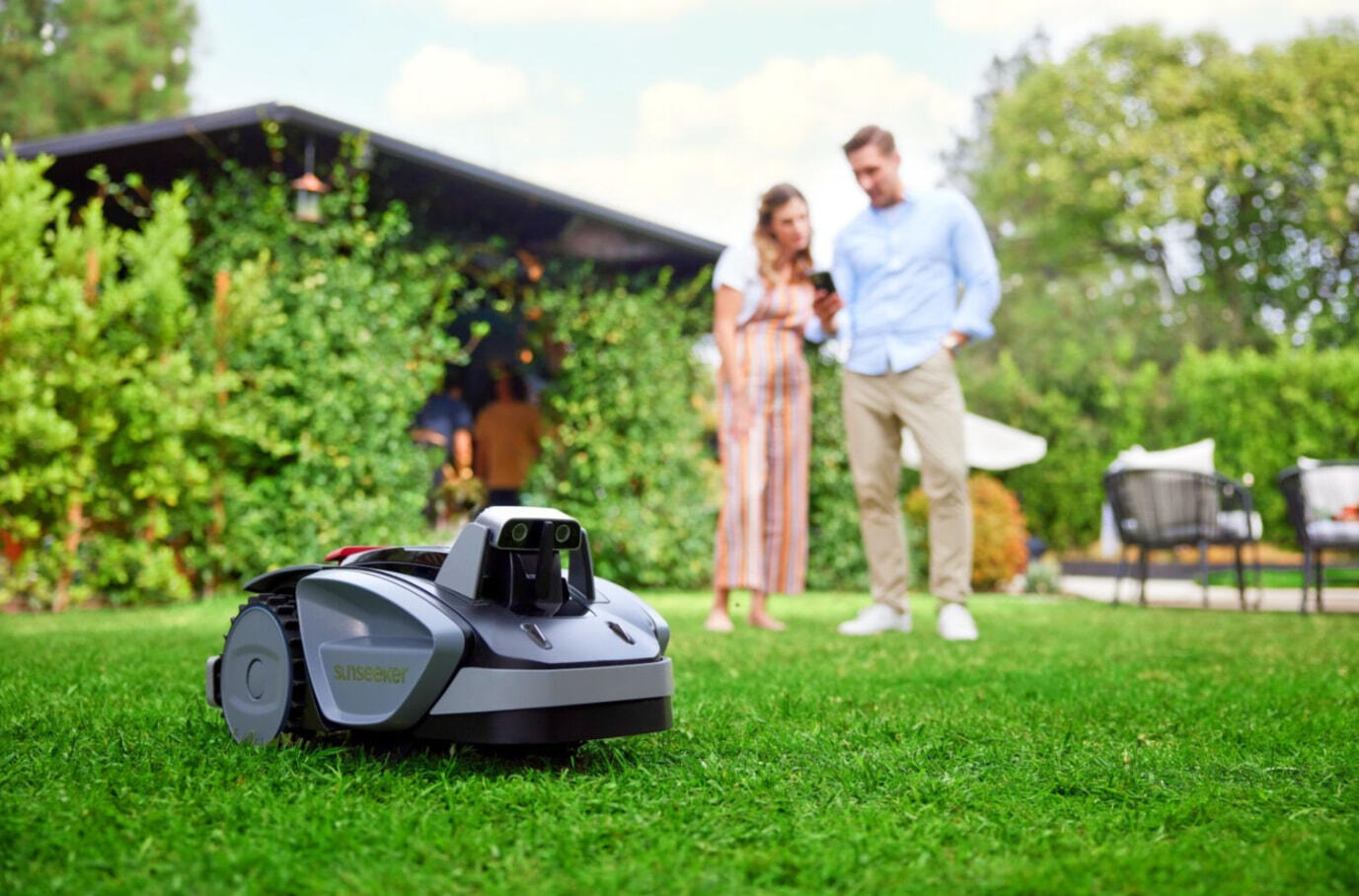
For instance, the Sunseeker V1 exemplifies this category with its user-friendly design and smart Vision AI navigation. It efficiently handles lawns up to 300 m², and avoids over 360 types of obstacles, while recognizing pets and other moving objects for safe, reliable operation in compact spaces.
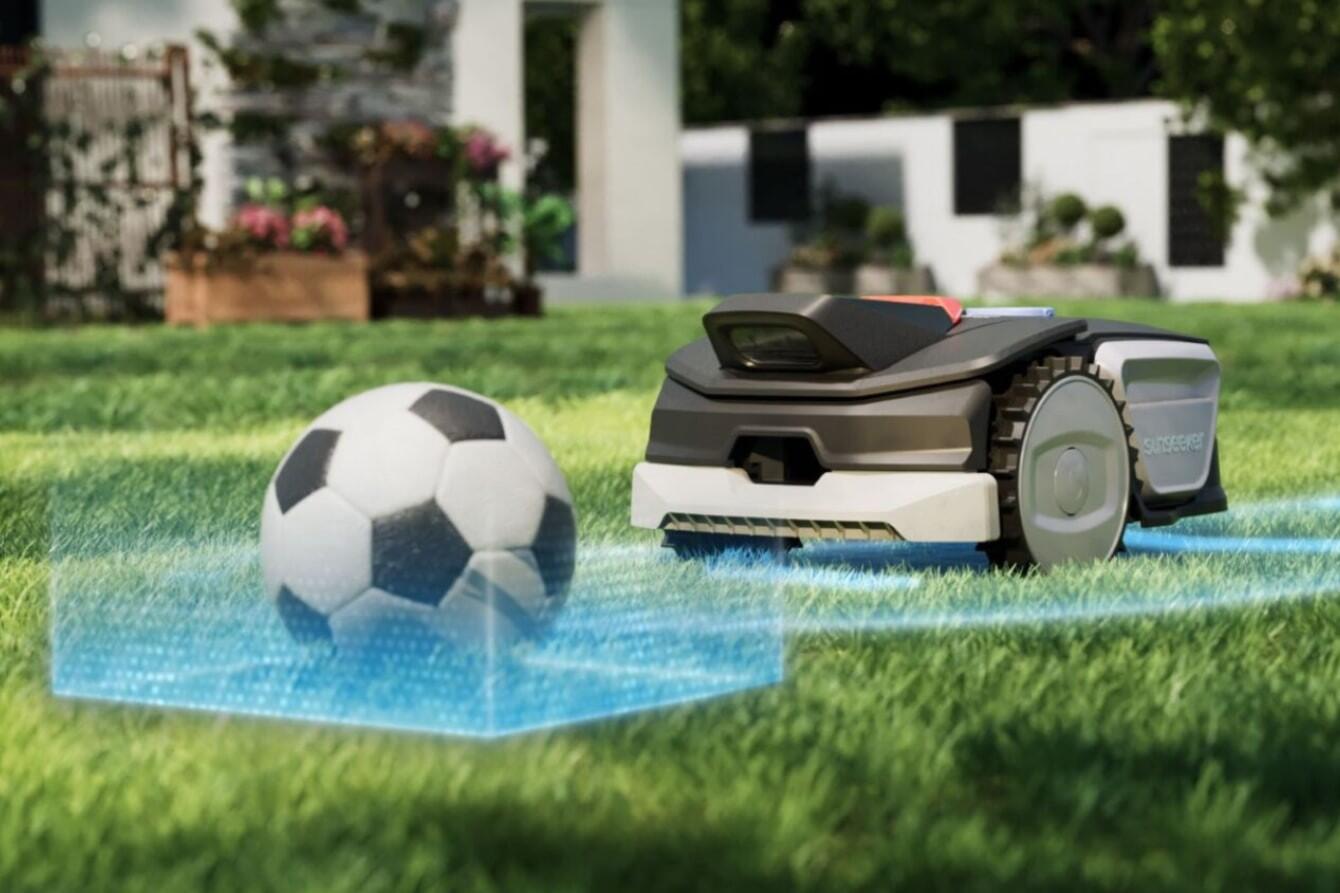
Sunseeker V1 robot mower recognizing football during mowing
2. The Popular Standard for Medium Lawns (1200m² – 1600m²)
-
Average Price Range: €1,400 – €1,800 (Most common investment)
-
Ideal Setting: The typical suburban family home with a moderate-sized yard.
-
Value Proposition: This is the market’s sweet spot, delivering an optimal balance of robust performance, smart features, and value. It represents a significant upgrade in convenience from basic models.
-
Expected Capabilities: These models deliver reliable, daily automation with extended battery life for full lawn coverage. They feature smart, wire-free navigation (like LiDAR or RTK-GPS), full app control for scheduling, and durable, weather-resistant builds that handle moderate slopes and light rain with ease.
3. Premium Investment for Larger Properties (Over 2400m²)
-
Average Price: €2,500 – €4,000+
-
Ideal Setting: Rural estates, homes with extensive grounds, and properties with challenging slopes or intricate layouts.
-
Value Proposition: For demanding landscapes where other models would struggle. You invest in maximum power, precision, and autonomy.
-
Expected Capabilities: High-end models deliver power and precision with all-terrain drive for steep slopes, multi-zone management, and large-capacity batteries for long runtime. Hybrid navigation system enables centimeter-level accuracy, supported by obstacle sensors and advanced apps with real-time tracking and customizable cutting plans.
Additional Costs to Consider
While the sticker price of the robot mower itself is a primary focus, a complete budget must account for several ancillary expenses that contribute to the total cost of ownership. These are often overlooked during initial research but are crucial for realistic financial planning.
Essential Accessories and Setup Components
The base unit rarely includes everything needed for operation. Depending on the model and your lawn's layout, you may need to purchase additional items. For perimeter wire systems, you must buy the boundary wire itself, stakes, and connection kits.
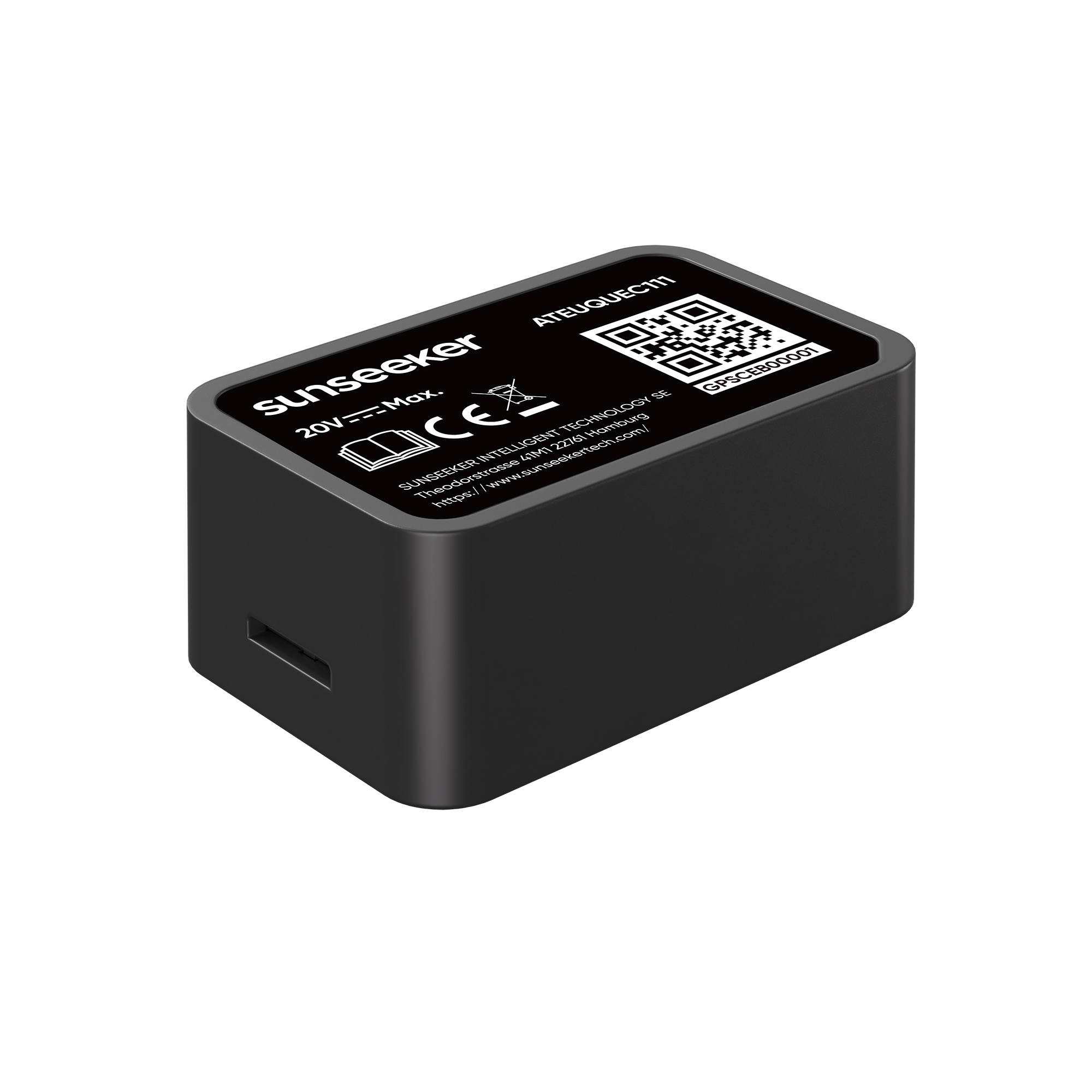
Some models require a separate gateway or signal booster for reliable Wi-Fi connectivity across the entire yard. Protective accessories, such as a weatherproof cover for the charging station or anti-theft GPS trackers, also represent added costs that enhance security and longevity.
Ongoing Maintenance and Consumable Parts
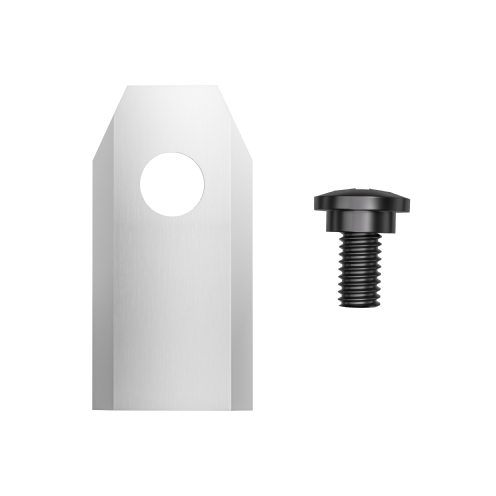
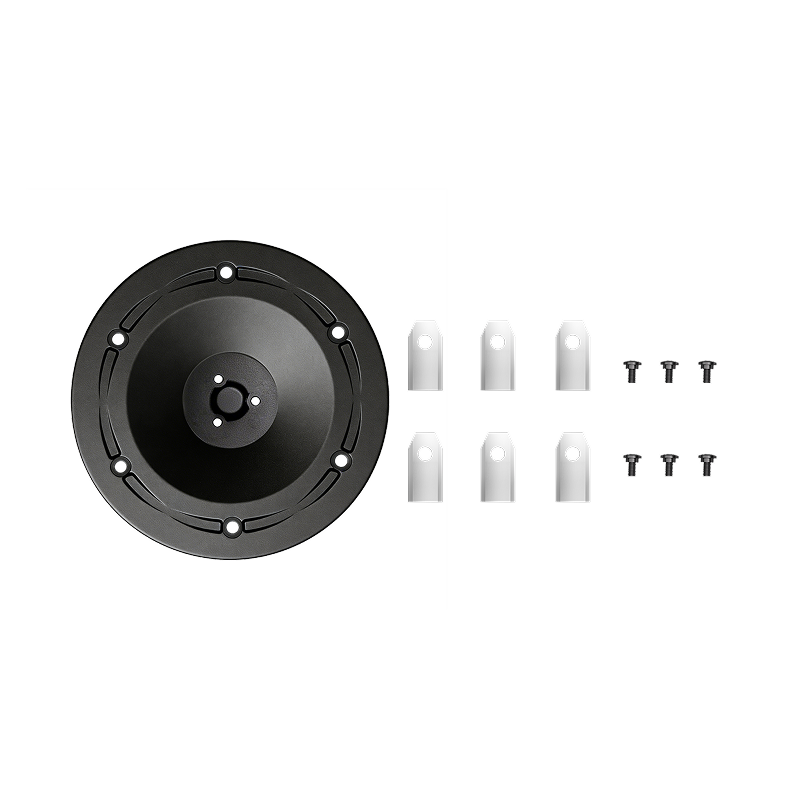
Robot mowers are not maintenance-free. The most frequent recurring cost is the replacement of cutting blades, which dull over time and should be changed several times per season for a clean cut. The main lithium-ion battery, a significant component, will typically need replacement every 3 to 5 years at a cost of several hundred dollars.
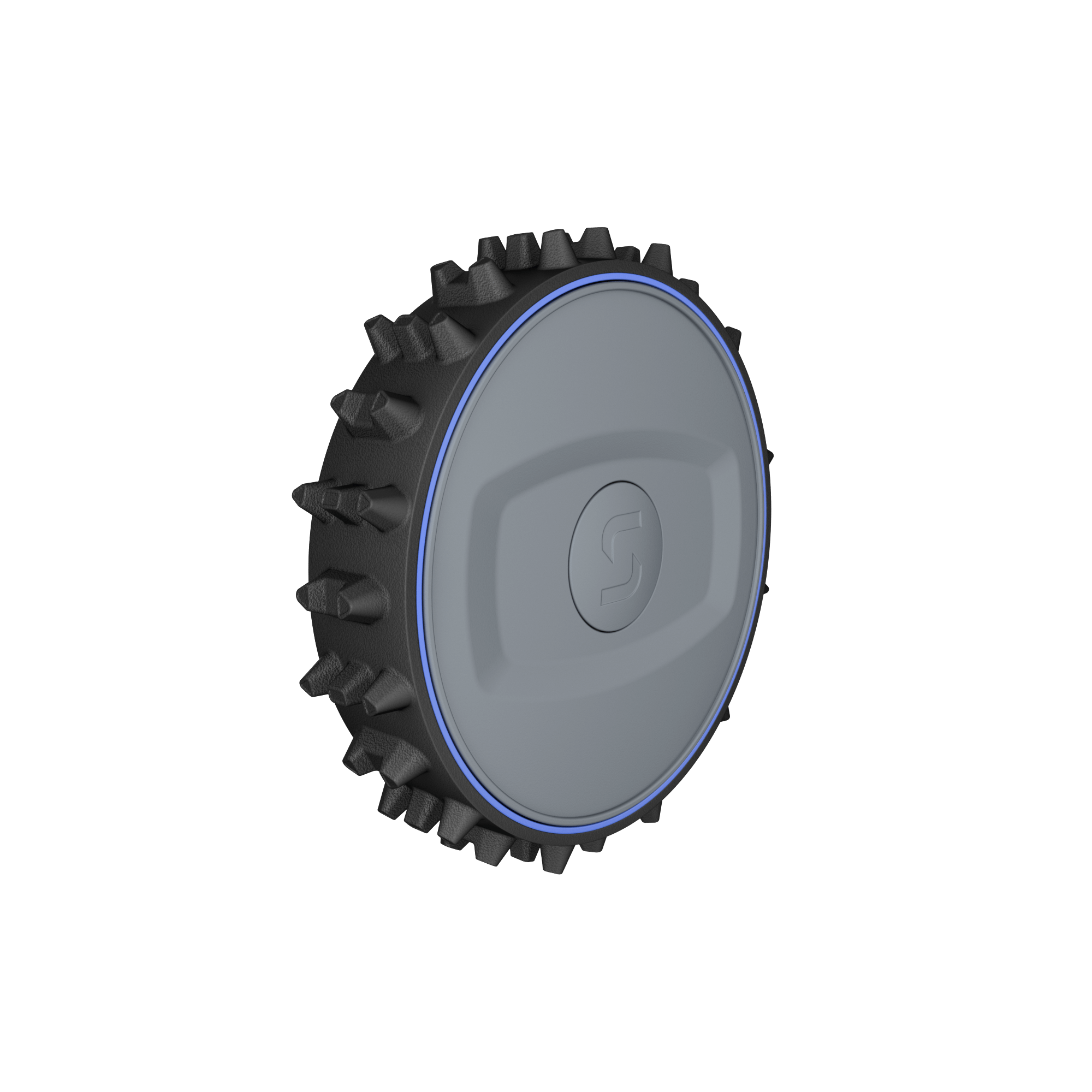
Owners should also budget for occasional part replacements like wheels, tires, or sensors over the mower's lifespan. While less than a traditional mower's engine upkeep, these are predictable expenses.
Potential Installation and Professional Services
While many models support DIY setup, professional installation is recommended for complex yards or wire-dependent systems. This service typically costs €200–€500 for full boundary wire setup (not needed for wire-free models). It ensures optimal charging station placement, precise wire routing, and accurate system calibration, preventing coverage issues and avoiding future troubleshooting costs from the first day of operation.
Strategic Tips for Cost-Efficient Purchasing
A smart purchase involves aligning the mower's specifications with genuine needs and seeking value.
1. Prioritize Essential Features
Avoid paying for advanced navigation or complex multi-zone software if you have a simple, open lawn. A mid-range model with reliable app control and basic scheduling often delivers identical results for less money.
2. Consider Refurbished Models
Certified refurbished units or last season's inventory can offer savings of 20% to 40%. These options provide access to reliable technology with full functionality at a reduced price point.
3. Plan for Self-Installation and Maintenance
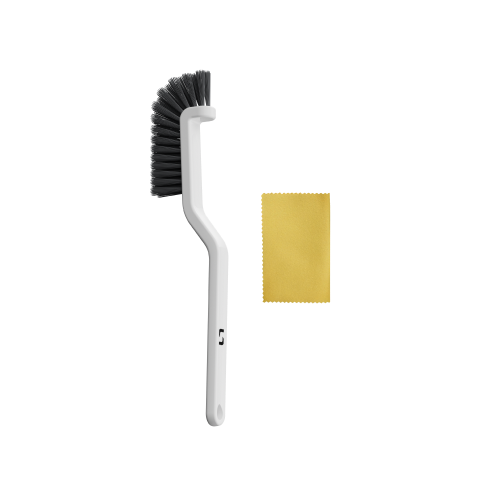
Modern wireless systems are designed for straightforward DIY setup, eliminating professional installation fees. Committing to simple, regular maintenance—like cleaning the underside and replacing blades—preserves efficiency and prevents costly repairs.
4. Monitor Seasonal Promotions
Retailers frequently offer discounts during key lawn care seasons, such as early spring and late fall. Timing your purchase to coincide with these sales periods can result in significant savings.
Conclusion: Navigating Your Investment
While the average market price provides a useful reference, the true measure of value lies in matching the machine to your lawn’s specific needs. An investment tailored to your property’s size, terrain, and complexity ensures optimal performance and satisfaction, avoiding the pitfalls of either underpowered equipment or unnecessary premium features.
For compact, straightforward lawns, models like the Sunseeker V1 (typically under €1,200) deliver intelligent navigation and fully automated care without exceeding budget. In contrast, larger or complex landscapes often require the advanced capabilities of premium systems (€2,500+) to guarantee consistent, reliable coverage. Between these tiers, mid-range models around €1,600 offer a balanced solution for many typical residential properties.
Beyond the base price, remember to factor in ancillary costs—such as accessories, ongoing maintenance, and potential professional installation—to accurately gauge the total investment. By prioritizing the features that address your yard’s actual demands, you can transform lawn care from a recurring chore into a seamless, value-driven convenience.
FAQs
Where does the grass cut by a robot mower go?
Robot mowers are designed with a mulching function that finely shreds grass clippings and disperses them back onto the lawn. These tiny fragments break down rapidly, acting as a natural fertilizer that enriches the soil, enhances water retention, and encourages a denser, healthier turf.
What is the healthiest grass cutting height?
A cutting height of 2 to 3.5 inches (5–9 cm) is generally recommended to maintain lawn health. This range supports deeper root development, discourages weed growth, and improves soil moisture conservation. Adjustments may be needed depending on grass variety, seasonal conditions, and regional climate.
When is it not ideal to mow the lawn?
It is best to avoid mowing during heavy rainfall, in extreme heat, or when the grass is excessively damp. Wet grass can lead to uneven cuts, soil compaction, and added strain on the mower, while high temperatures can stress both the lawn and the equipment.