You finish mowing, glance at the thin layer of cut grass, and wonder whether to rake it up. On a healthy lawn, small clippings slip between the blades and disappear within days. Skip a mowing during a spring growth spurt, though, and heavy rows of wet grass can end up lying on top. Those two cases call for different handling.
Most turf specialists answer "are grass clippings good for your lawn" with a qualified yes. The exceptions come down to clipping size, how evenly the clippings spread, and the condition of the lawn. The sections ahead explain what clippings give back, when bagging makes more sense, and how to keep them from smothering the turf.
How Do Grass Clippings Benefit a Lawn?
Clippings are mostly water, but they also contain nutrients and organic material that return to the soil as they decompose. Their value is greatest when mowing is frequent enough to produce small pieces that filter between standing grass blades.
Nutrient Recycling
Grass blades hold nitrogen, phosphorus, and potassium taken up during growth. Oregon State University Extension notes that clippings can contain roughly 3 to 4 percent nitrogen by dry weight, along with smaller amounts of phosphorus and potassium. Fine clippings return part of those nutrients as they break down. That makes the answer to "are grass clippings good for the lawn" as fertilizer a partial yes. The amount returned depends on growth rate, mowing frequency, and soil fertility, so clippings won't cover every feeding.
Organic Matter Return
As clippings decompose, they contribute organic material to the soil surface. Fine pieces break down more quickly than long stems and can support the soil food web. They are not a direct source of finished compost, and they do not instantly improve soil structure, but returning them is a useful part of a low-waste mowing routine.
Reduced Yard Waste
Leaving clippings reduces the volume of material that must be bagged, carried, and disposed of. During active growth, a lawn can produce a large amount of cut material in a short period. If the clippings are fine and distributed evenly, there is little reason to remove them from the property.
When Should You Leave Grass Clippings on the Lawn?
Clippings do the most good when the grass is dry and each pass takes off only a little leaf. If these conditions hold, they can stay where they fall.
You're removing no more than one-third of the blade.
Clippings drop between the standing blades instead of forming ropes or piles on top.
The grass is actively growing and has enough leaf to take in the material without being shaded out.
The lawn surface isn't soggy, so clippings don't stick together into wet mats.
The mower blade is sharp and cuts cleanly rather than shredding grass into long, stringy pieces.
The layer left behind is thin and doesn't hide the soil or cover the base of the plants.
Weekly mowing suits most of the growing season, though fast spring growth may call for every four or five days. If the lawn has already outgrown its target height, raise the deck and bring it down over two mowings instead of leaving one heavy layer.
When Should You Collect Grass Clippings Instead?
Leaving clippings is the default, but the answer to "should you leave grass clippings on lawn" turns into a no in a few situations. In those cases, bagging is a temporary fix, not a rule for every mowing.
The grass is very long: A delayed cut can create large clumps that cover the turf. Collect the excess, then return to a regular mowing interval.
The lawn is wet: Wet leaves stick together and can form a mat. Wait for the surface to dry or collect the heavy material.
Disease is active: If a diagnosed turf disease is producing heavily infected debris, follow local extension guidance on whether clippings should be removed.
Weed seed heads are mature: Collecting clippings can reduce the spread of some mature seed heads across the lawn.
A treatment label requires collection: Some herbicide labels specify how long to wait before mowing or how to handle clippings. Follow the label rather than assuming all treated material can be left or composted.
The surface is already covered: If leaves, thatch, or previous clippings obscure the turf, remove or redistribute the material before leaving another layer.
How Do You Keep Clippings From Smothering Grass?
Most people asking "are lawn clippings good for grass" are really worried about smothering. That comes from thick piles, not the fine pieces of a regular cut, and your mowing habits decide which one you end up with.
Mow Before Grass Gets Too Long
Follow the one-third rule. If the lawn is 11 cm tall and the desired height is 8 cm, remove about 4 cm or less in one pass. If it has grown to 15 cm, do not cut directly to 8 cm in one operation. Raise the mower, remove a smaller portion, and make a second cut after the grass has recovered enough to stand upright.
Keep Mower Blades Sharp
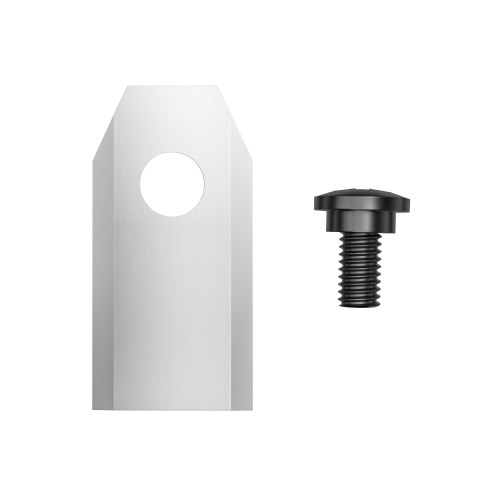
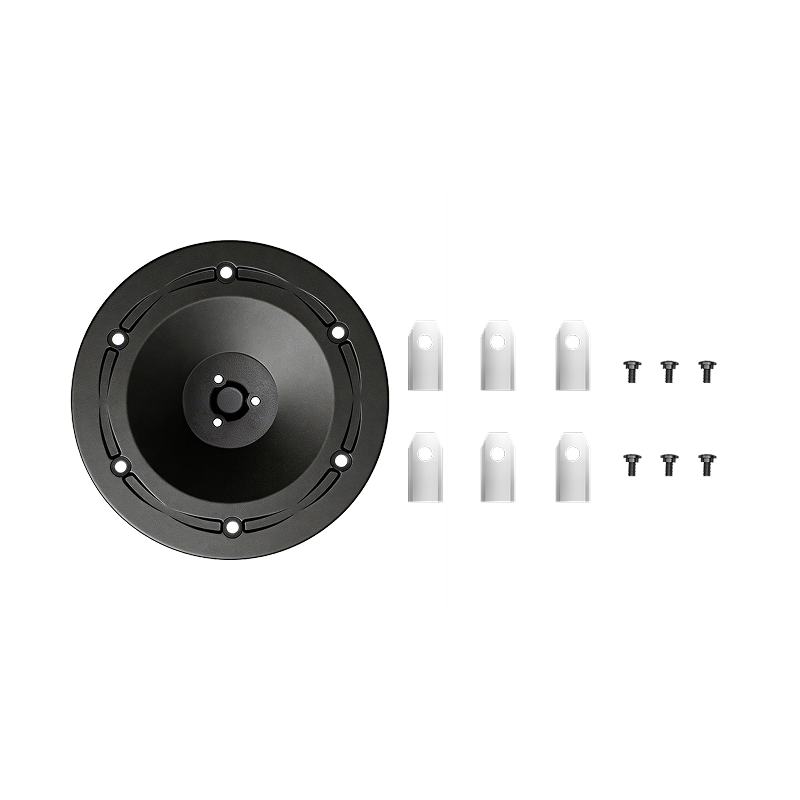
A sharp blade produces shorter, cleaner pieces that settle into the turf. A dull blade tears leaves and can leave long strands that tangle together. Inspect the blade regularly and sharpen it after roughly 20 to 25 hours of use, or sooner if the cut becomes ragged. Remove the spark plug wire or battery according to the mower manual before working near the blade.
Redistribute Heavy Clump
Spread loose clumps with a rake before they settle. If they're wet and matted, bag them instead of working them into the lawn. Should I leave grass clippings on lawn edges and along fence lines? Better not, because piles there block sunlight and hold moisture against the grass.
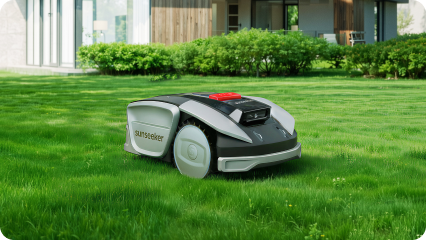
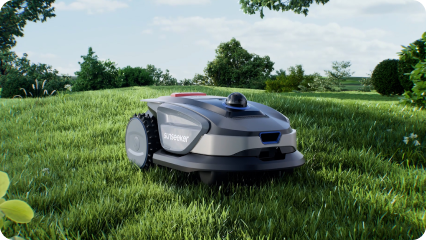
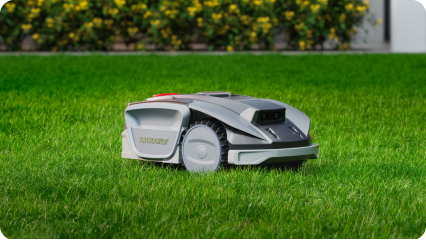
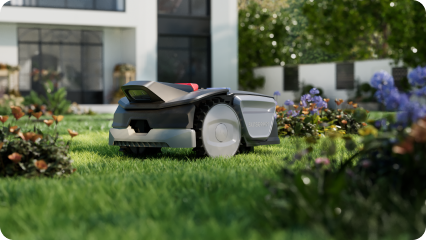
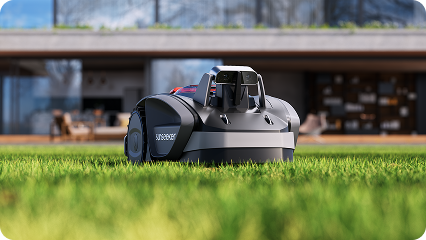
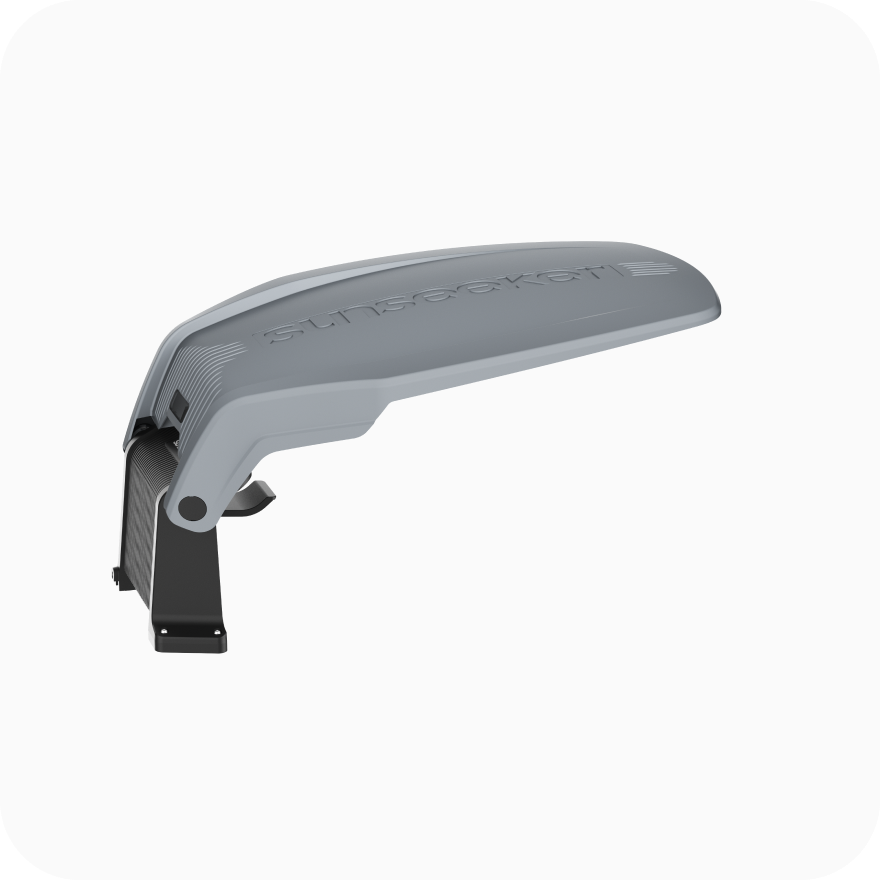
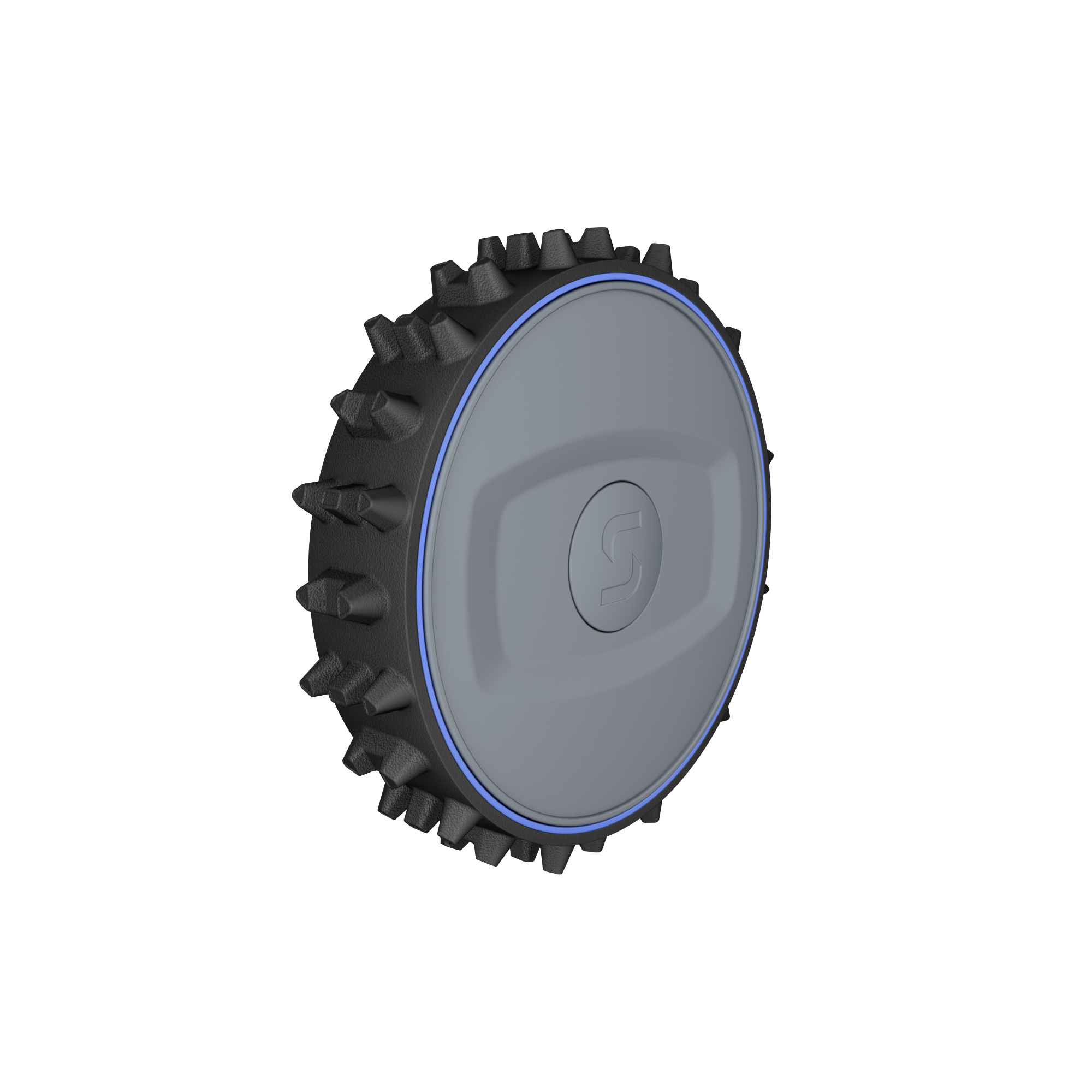
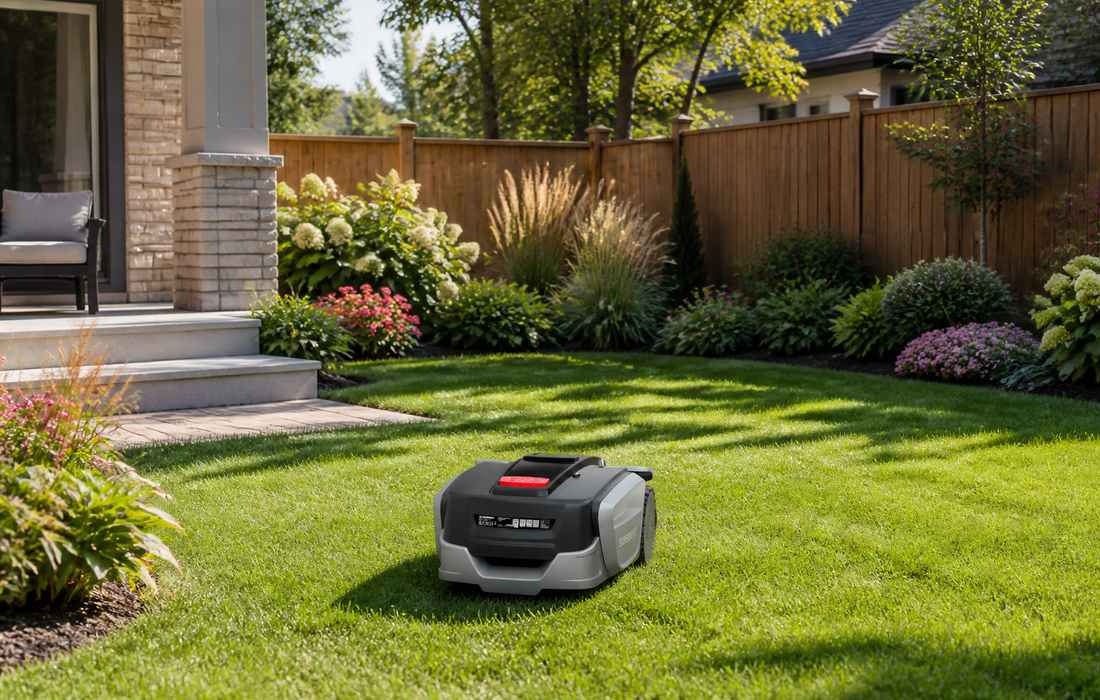
How often you mow does more to keep clippings fine than the type of mower you use. The Sunseeker S5 makes frequent light trims easy to keep up. You set the schedule in the app, and each run removes only a little leaf, so the pieces drop out of sight. Its floating cut system follows dips and rises for an even trim. All-wheel drive with independent suspension handles slopes up to 60% (30°), so banks and sloped sections get mowed as often as the flat areas.
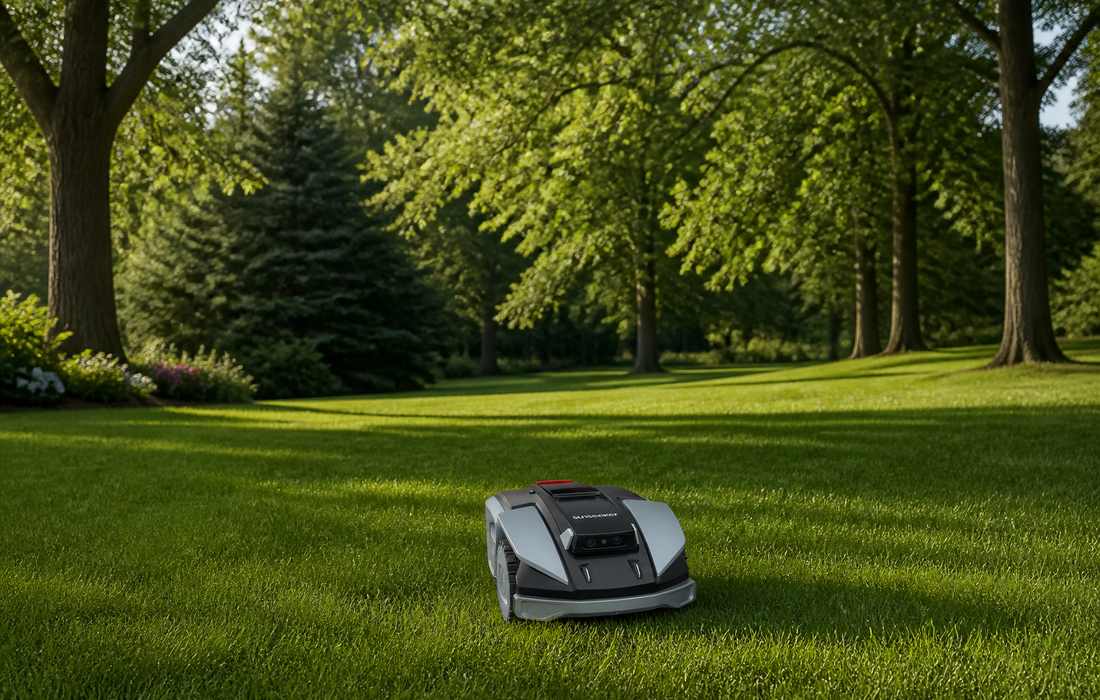
For yards split into several lawn sections, the GPS Robot Mowers use RTK and VSLAM positioning with AI-assisted mapping to plan routes zone by zone. When choosing a model, compare lawn size, slope, and layout.
What Can You Do Wath Clippings You Collect?
Bagged clippings can still be useful around the yard, depending on how the lawn was treated and what condition the clippings are in. Fresh grass holds a lot of moisture and nitrogen, so thick layers heat up, mat down, and start to smell as they break down.
For compost, mix clippings with "brown" materials such as dry leaves or shredded paper, at roughly two to three parts browns to one part fresh grass by volume. Add them in thin layers and turn the pile so air reaches the middle. A pile that's mostly fresh grass quickly turns compacted and slimy. If you've recently used a herbicide or weed-and-feed product, check the label before composting the clippings or using them near vegetables and flowers. Some products require several mowings before clippings are safe to reuse.
A layer about 3 cm thick also works as mulch around established ornamental plants. Keep it away from stems and skip thick, wet layers. If the clippings carry weed seed heads or diseased material, dispose of them the way your local extension service recommends instead of spreading them through garden beds.
Conclusion
Whether clippings help or hurt usually depends on what happens before the mower starts. A sharp blade and a schedule that keeps pace with growth do most of the work, and a quick look after each cut shows whether anything needs raking or bagging. Collected clippings still have uses, either in a balanced compost pile or as a thin mulch around shrubs. Build those habits into your routine, and the lawn gets a little nutrition back every time you mow.
FAQ
Do Grass Clippings Cause Thatch?
No. Thatch is mainly a layer of slowly decomposing stems, roots, and rhizomes, not ordinary leaf clippings. Fine clippings break down relatively quickly. Excessive thatch is more closely associated with grass growth habits, overfertilization, and slow decomposition in the turf layer.
Do You Need a Special Mulching Mower?
Not necessarily. A standard mower can leave clippings if the blade is sharp, the grass is not too tall, and the discharge spreads material evenly. A mulching mower makes finer pieces and can improve distribution, especially when mowing frequently during fast growth.
Can Grass Clippings Replace All Lawn Fertilizer?
Not on their own. Clippings return some nutrients, especially nitrogen, but the amount varies with growth and mowing. Soil testing and grass condition still determine whether additional fertilizer is needed. Treat clippings as nutrient recycling that can reduce fertilizer demand, not as a complete nutrient program.