The coffee filter is full again, and the lawn is right outside the back door. Are coffee grounds good for the lawn, or does the trash make more sense? The grounds look like rich soil, and scattering them feels like an easy way to recycle kitchen waste. A light sprinkle usually vanishes into the turf. Dump them in the same spot every morning, though, and they can dry into a dark crust that traps moisture against the leaves.
Are coffee grounds good for lawns in general? They do more good in a compost pile than spread straight on the grass. Nutrient levels vary from batch to batch, the effect on soil pH is unreliable, and concentrated fresh grounds can slow plant growth. A soil test and a close look at texture will tell you more than the color of the grounds ever will.
What Can Used Coffee Grounds Add to a Lawn?
Spent coffee grounds contain organic material, some nitrogen, and smaller amounts of other nutrients. Are coffee grounds good for a lawn as a nutrient source, then? Only in a limited way. What they offer depends on how they're processed and how much you apply, and unlike bagged fertilizer, they come with no guaranteed analysis.
As grounds decompose, they add organic matter to the soil. Their nitrogen content puts them on the "green" side of a compost pile, alongside grass clippings and vegetable scraps. The fine particles also cling together when wet. Mixed with coarser material, that's useful. Sitting alone on top of the grass, it becomes a problem.
Are coffee grounds good for lawn soil that needs a lower pH? Not reliably. Much of coffee's acidity ends up in the brewed cup, so used grounds usually test close to neutral, and their pH keeps shifting as they break down. If a soil test calls for a pH change, follow the lab's lime or sulfur recommendation.
What Problems Can Coffee Grounds Cause on Grass?
Trouble usually starts when grounds go down in piles or build up after weeks of daily dumping. Texture, concentration, and slow nutrient release cause most of it.
Surface Matting
Wet grounds pack into a dense layer that slows water movement, cuts off air at the soil surface, and covers low-growing leaves. If the grass has disappeared under a dark film, rake the material away before adding any more.
Uneven Distribution
Grounds leave the kitchen in small daily batches, so they tend to land in the same place. Those patches can discolor and crust over as they dry. Either spread composted material thinly across a wider area or send fresh grounds to the compost bin, where leaves and other coarse materials break them up.
Unpredictable Nutrient Release
Soil microbes have to break down the grounds before much of their nitrogen reaches the grass, and the amount released varies widely. Fresh grounds also contain caffeine, tannins, and polyphenols that may affect plant growth at high concentrations. A pale lawn needs a measured plan from a soil test or fertilizer label, not a guess based on kitchen waste.
Plant Growth Effects
In some studies, concentrated fresh grounds have harmed plant growth, an effect known as phytotoxicity. A few spent grounds won't kill a lawn, but the findings are a good reason to skip heavy applications and keep fresh material off newly germinated grass. Finished compost is more predictable because decomposition has already broken down many of those compounds.
Should You Compost Coffee Grounds Before Using Them on a Lawn?
Once you're collecting more than a cup or two a day, composting beats spreading. Mix the grounds with dry leaves, shredded cardboard, and other coarse materials so the pile holds both moisture and air. Turn it occasionally and let it mature before it goes anywhere near the turf.
Treat grounds as one ingredient, not the whole recipe. Pair each batch with dry brown materials instead of adding a large wet mass at once. If the pile smells sour or turns slimy, it needs more dry leaves and a thorough turn.
The compost is ready when it has cooled and you can't recognize the original ingredients. Screen out large pieces, then spread a thin layer over established turf so the blades still show. About 6 mm is a sensible limit for routine topdressing. Heavier layers bury leaves and lead to patchy growth. A light watering settles the compost down to the soil.
How Can You Use Coffee-Ground Compost on a Lawn?
Spread compost while the grass is actively growing and the surface isn't soggy. Under those conditions, the lawn recovers quickly and the crowns stay uncovered.
Use plain spent coffee grounds, not grounds mixed with milk, sugar, flavoring, or other kitchen waste.
Compost larger quantities with dry leaves and other coarse materials before using them on turf.
Screen finished compost so large particles do not form piles in the grass.
Spread a thin, even layer and keep the grass blades visible above it.
Avoid topdressing newly seeded areas with concentrated coffee material; use a seed-safe topdressing recommended for establishment instead.
Check soil test results before adding more nutrients or organic amendments.
Stop if the lawn develops a crust, odor, or areas of discoloration after application.
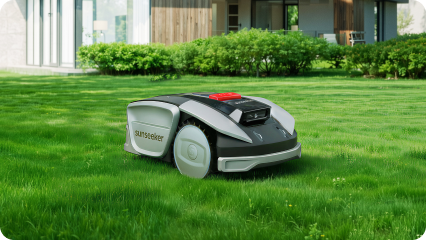
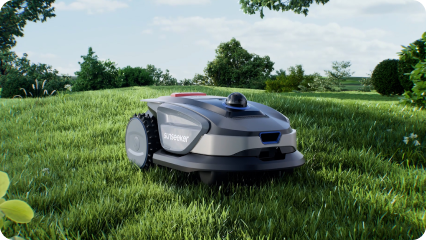
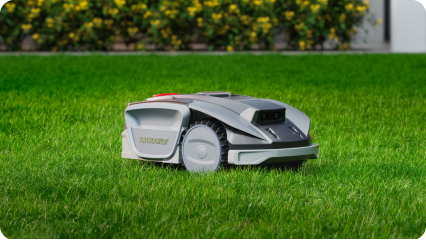
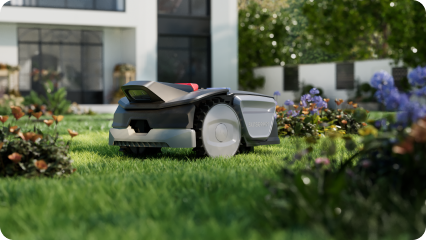
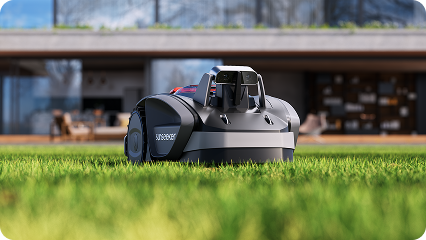
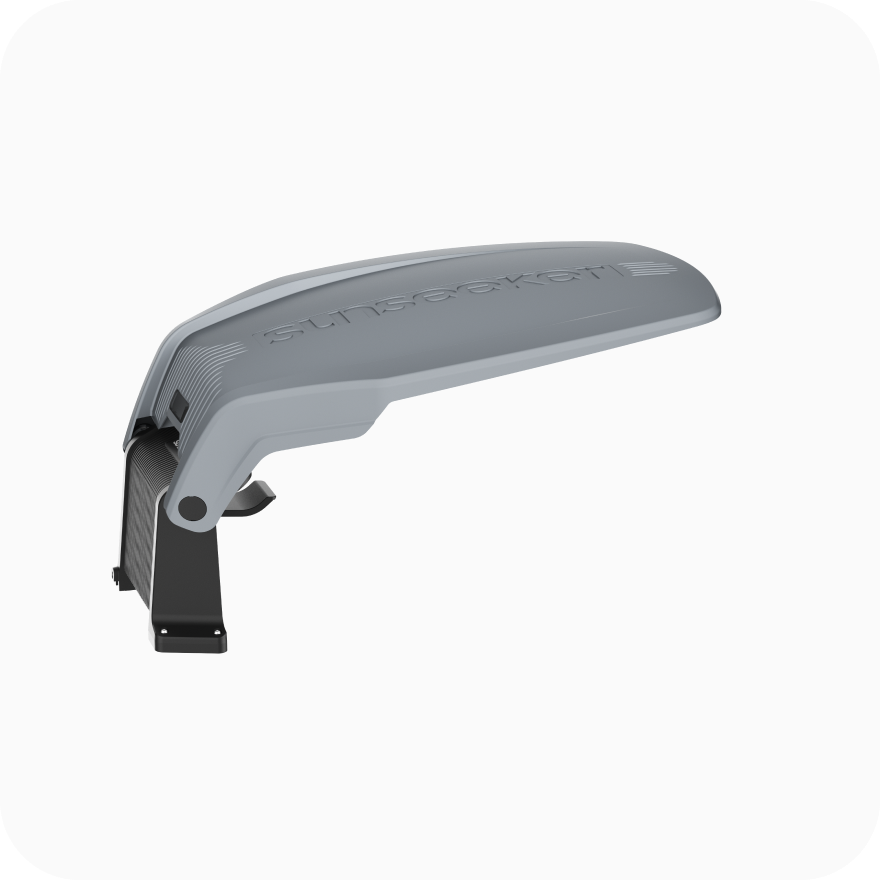
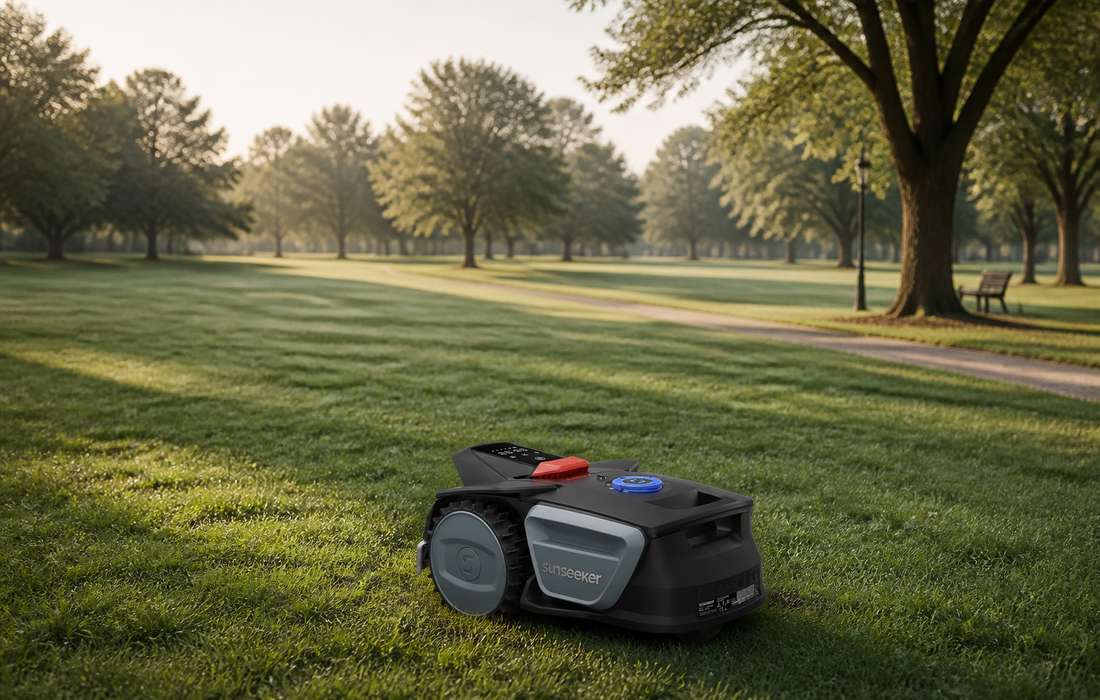
Mow before you topdress so the compost can reach the soil, then give it a few days to settle before the next cut. In a small garden, the Sunseeker V1 keeps that rhythm going with little effort. ReadyGo™ setup takes about 10 minutes with no boundary wire. Vision AI recognizes where the grass ends and paths or beds begin, and rain-sensing auto return sends the mower back to its station when showers roll in.
Larger or multi-zone properties may need a different kind of navigation. The GPS Robot Mowers use satellite positioning to map separate lawn areas and follow planned routes. Their job is keeping grass at the right height.
When Is a Different Lawn Treatment More Appropriate?
Are coffee grounds good for your lawn when something is actually wrong with it? Rarely. Pick a treatment based on the problem you've confirmed.
| Symptom |
Check First |
Better Option |
| Pale or slow-growing grass |
Soil test and watering |
A fertilizer with a known analysis, applied when the grass needs nitrogen |
| pH outside the range for your grass |
Lab soil test |
The lab's lime or sulfur recommendation |
| Weeds spreading |
Weed identification |
Hand removal or a turf-safe control method |
| Water runoff or hard soil |
Probe the soil for compaction |
Core aeration |
| Spongy surface layer |
Measure thatch depth |
Dethatching, if the layer is thick enough |
Coffee grounds won't loosen compacted soil, clear weeds, or correct pH, so spreading them on those problems only piles more material onto the lawn while the real cause goes untreated. A lawn that already tests high in phosphorus, for instance, gains nothing from extra organic inputs. If your soil report shows adequate nutrients, look at mowing, irrigation, and drainage instead.
Conclusion
Coffee grounds can still earn a place in your yard care, as long as they pass through a compost pile first. Composting turns them into a steadier amendment. A soil test shows whether the lawn needs nutrients, a pH change, aeration, or simply better watering. Match each fix to a confirmed problem, keep topdressing light enough that the blades show through, and check for crusting afterward. Handled that way, your morning coffee leftovers feed the soil instead of becoming one more cleanup job.
FAQ
Will Coffee Grounds Make Lawn Soil More Acidic?
Not reliably. Used coffee grounds do not have a consistent pH effect on the whole soil profile, and decomposition changes their chemistry. If your lawn needs a pH adjustment, use a laboratory soil test and apply the recommended agricultural lime or sulfur rather than relying on coffee grounds.
Do Coffee Grounds Keep Lawn Pests Away?
No proven application rate makes coffee grounds an effective lawn pest control. Identify the actual pest first, whether that's grubs, chinch bugs, or something else, and choose a matching control method. Spreading a thick layer in hopes of deterring insects can create a new surface problem while the original one continues.
Are Coffee Grounds Safe Around Dogs?
Keep fresh grounds, used grounds, and brewed coffee away from dogs. Coffee contains caffeine, which can be toxic if a pet eats enough of it, and spent grounds still hold some caffeine. Composting changes the material over time, but it doesn't make the pile safe for pets to eat. Store kitchen scraps and compost in bins pets can't reach.