How Robot Lawn Mowers Actually Work
A robot lawn mower is a complex integration of hardware and software designed to perform a single task with remarkable independence. Understanding its core systems demystifies the device and highlights the critical differences between models.
Core Navigation Systems
The method a robot uses to navigate is its most defining characteristic, directly impacting setup, cost, and performance in different environments.
1. Perimeter Wire Systems: This established technology relies on a physical boundary wire that emits a weak radio signal. The mower stays within this loop.
Advantages: Proven reliability, lower cost entry point, performance unaffected by poor GPS signal or visual obstacles.
Considerations: Installation requires burying or securing the wire around the entire property, a potentially labor-intensive initial project. Altering the lawn layout later is difficult, and the wire can be vulnerable to damage from aerating or animal activity.
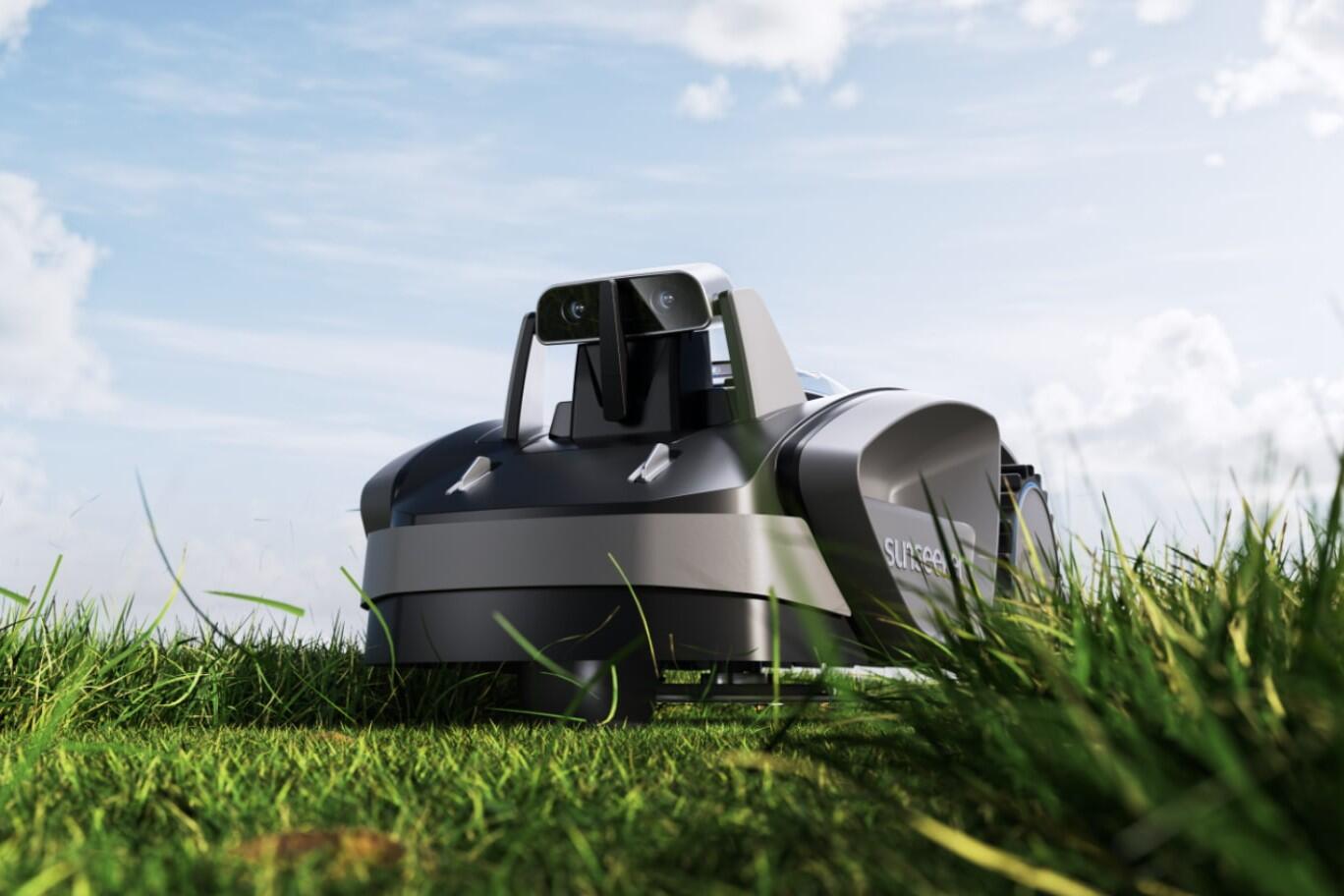
2. Vision-Based AI Navigation: Utilizing onboard cameras and artificial intelligence, these mowers visually interpret their surroundings to distinguish grass from other surfaces.
Advantages: Completely wire-free operation. Can adapt to natural boundaries like garden beds or paths and improve its understanding of the lawn over time.
Considerations: Performance may vary under certain lighting conditions, such as the low sun of early morning or late evening, or in deep shadow.
3. Satellite Navigation (RTK-GPS): These systems use global positioning signals. Advanced Real-Time Kinematic (RTK) GPS achieves centimeter accuracy, allowing for virtual boundaries.
Advantages: Extremely simple, wire-free setup. Boundaries and zones can be created and adjusted digitally via a smartphone app. Enables efficient, systematic mowing patterns.
Considerations: Signal strength can be weakened or blocked by tall buildings, dense tree canopies, or other obstructions, potentially affecting accuracy in those areas.
4. LiDAR Navigation: This premium technology uses rotating lasers to measure distances and construct a precise, multi-dimensional map of the garden.
Advantages: Delivers highly accurate mapping and path planning unaffected by light. Results in exceptionally orderly and efficient coverage, ideal for complex landscapes.
Considerations: Commands a higher price point. The exposed sensor dome requires periodic cleaning to maintain optimal function.
The Healthier Approach to Cutting
Robot mowers employ a fundamentally different methodology called "mulching" or "grasscycling." Instead of cutting a large amount of grass every week or two, they trim a very small amount very frequently—often every other day.
This practice offers multiple benefits:
-
Enhanced Lawn Health: Frequent, light trimming promotes thicker, denser grass growth, which naturally crowds out weeds. By avoiding harsh cutting cycles and extended recovery periods, the lawn experiences less stress, resulting in stronger roots, improved drought resistance, and more consistent overall health.
-
Natural Fertilization: The tiny clippings decompose rapidly, returning valuable nutrients like nitrogen directly to the soil, which can reduce the need for additional fertilizer.
-
Zero Waste Handling: This process completely eliminates the chore of collecting, bagging, and disposing of grass clippings.
Path Planning Logic
The efficiency and final aesthetic of your lawn depend on the mower's pathfinding intelligence:
-
Random Navigation: Common in basic models, the mower travels in unpredictable directions, changing course upon encountering a boundary or obstacle. Coverage is achieved statistically over time, which can be less efficient.
-
Systematic Navigation: Most GPS and LiDAR models follow organized, parallel or spiral routes. This ensures methodical, gap-free coverage and typically creates clean, striped patterns reminiscent of professional landscaping.
-
AI-Optimized Routing: High-end systems can analyze lawn geometry to calculate the most efficient path, learn from past sessions to avoid problem areas, and even adjust mowing frequency based on estimated growth rates from weather data.
Safety Systems and Autonomous Features
Modern robot mowers are designed for safe, independent operation in everyday outdoor environments:
-
Instant Safety Stops: Lift and tilt sensors immediately halt the cutting blade if the mower is picked up or overturned.
-
Obstacle Avoidance: A combination of bump sensors and, in advanced models, AI-driven object detection allows the mower to navigate around garden furniture, toys, and other objects.
-
Weather Adaptation: Built-in rain sensors send the mower back to its charging station during wet weather, resuming work once the grass is dry.
-
Theft Protection: Features like PIN-code activation, integrated alarms, and GPS tracking (on select models) provide security for your investment.
-
FullAutomation: Automatic docking, self-charging, adaptive scheduling, and app-based control work together allow the lawn to maintain itself with minimal human involvement.
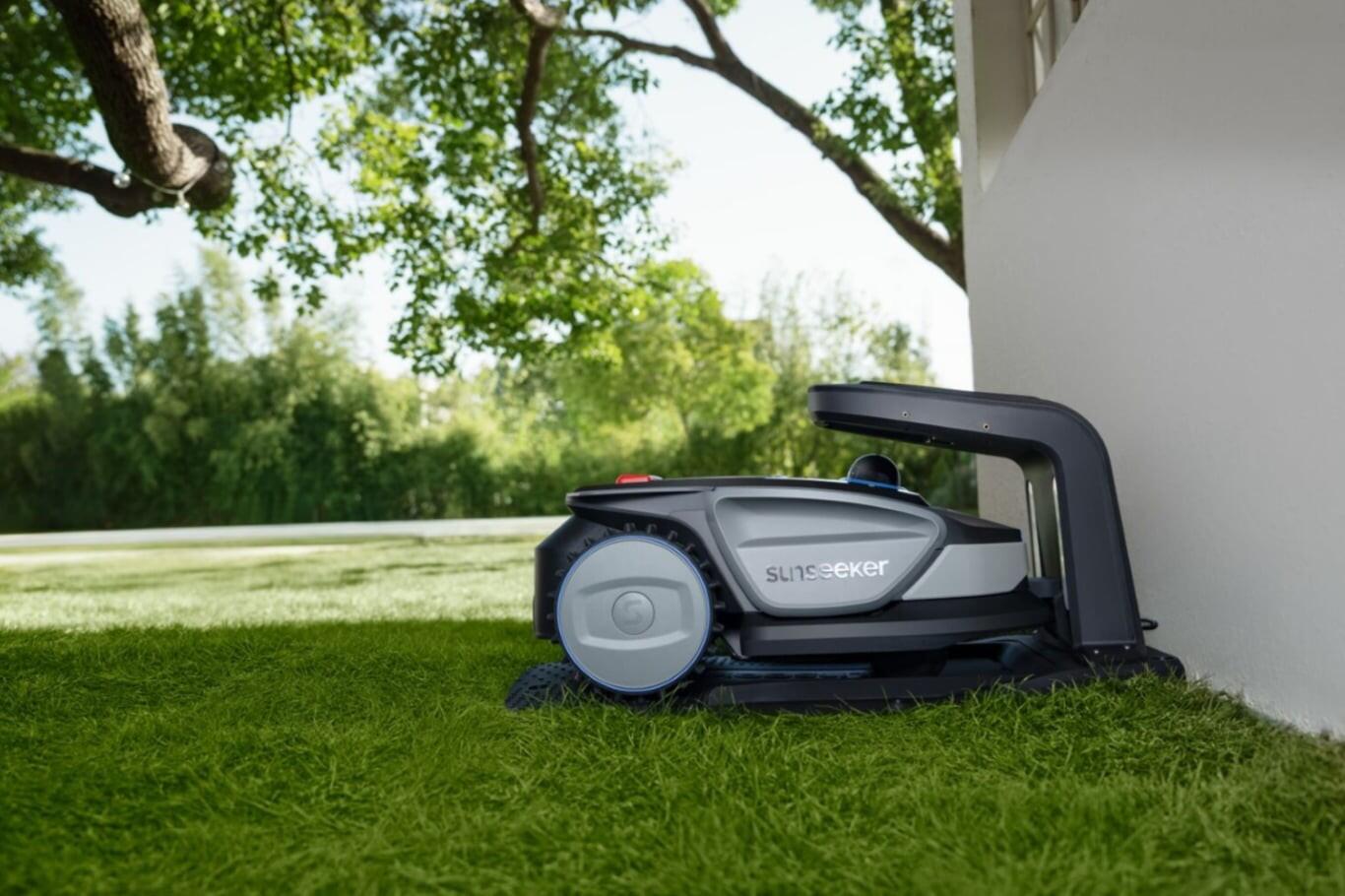
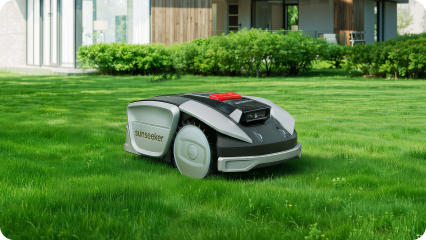
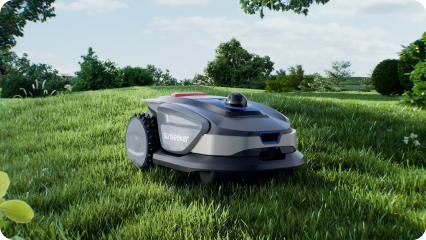
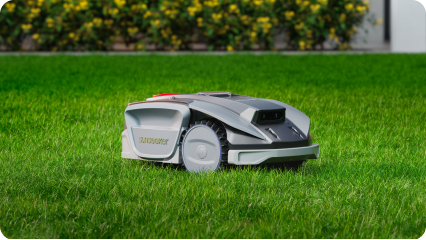
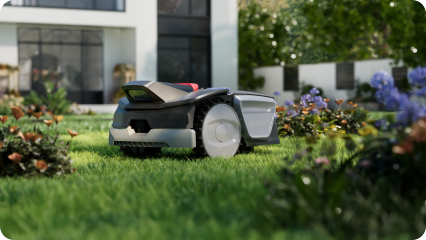
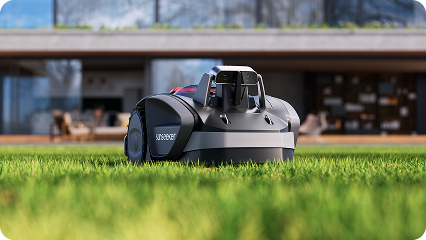
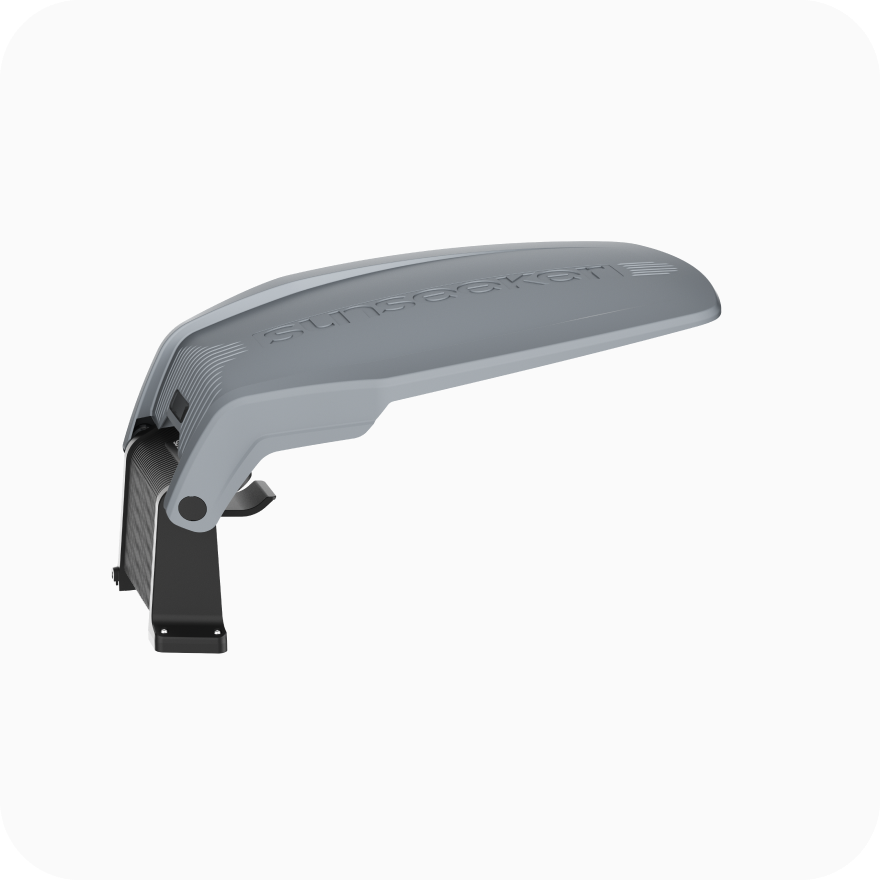
Sunseeker S4 returning to dock for auto charge
Critical Factors for Comparison and Selection
Choosing the right robot mower requires matching its capabilities to the specific profile of your garden. Focusing on a few key areas will lead to a satisfying long-term partnership.
1. Lawn Profile Compatibility
Three physical characteristics of your garden are paramount in choosing a compatible model:
Total Area: Always select a mower whose maximum recommended coverage exceeds your lawn's actual size. A buffer of 20-30% is advisable for optimal battery performance and longevity.
Maximum Slope: Manufacturers specify a slope rating as a percentage (e.g., 30%) or in degrees. Gentle hills may require a 30% (17°) capability, while steeper properties will need models rated for 45% (24°) or higher. Exceeding this rating can lead to poor coverage, wheel slippage, or premature wear.
Layout Complexity: A simple, open rectangle is easy for any mower. Gardens filled with trees, flower beds, narrow passages, or multiple isolated zones require a mower with advanced navigation (like LiDAR or Vision AI) and often a narrower cutting width for better maneuverability.
2. Durability and All-Weather Reliability
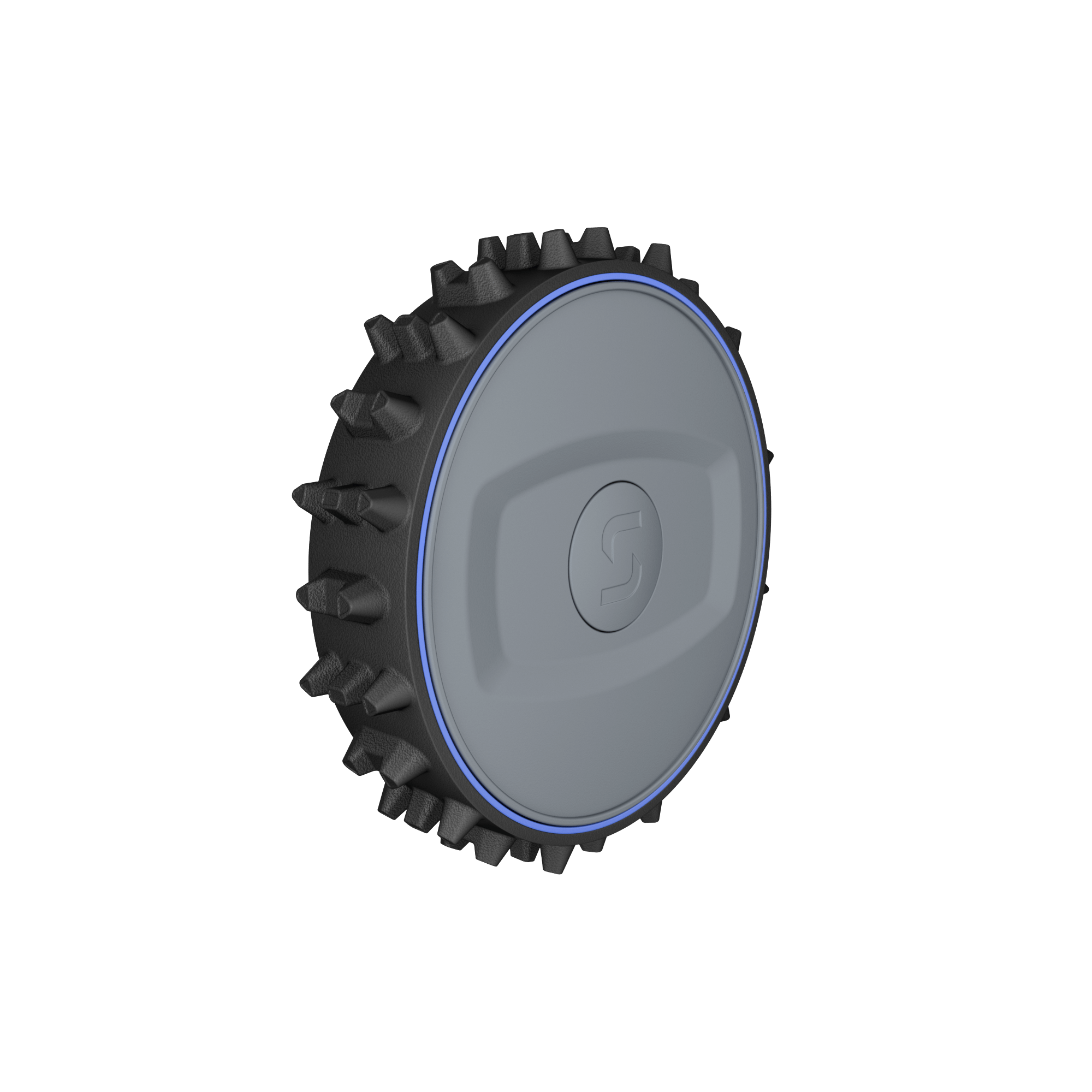
A robot mower is an outdoor appliance exposed to sun, rain, and temperature fluctuations. Its construction directly impacts longevity. A high Ingress Protection rating, such as IPX5 or IPX6, indicates good resistance to rain and hose-directed water. Examine the quality of the chassis and the wheels; robust, rubberized tires provide better traction, especially on slopes.
The battery is a critical component; modern lithium-ion batteries offer a longer lifecycle and more consistent performance than older technologies. Investing in a model built with quality materials from a reputable manufacturer often translates to fewer issues and a longer service life.
3. Ease of Use
The initial installation experience varies widely between models. Traditional wire-guided systems require a noticeable upfront time investment for layout and setup. In contrast, wire-free solutions streamline the process significantly. For example, the ReadyGo™ of Sunseeker S4 are designed to start mowing in minutes—no boundary wires, no base stations. This makes setup far more approachable, especially for users who prefer minimal technical effort and fast results.
Beyond installation, daily usability is crucial. A well-designed smartphone application that offers intuitive scheduling, easy creation of no-go zones, clear progress tracking, and informative alerts greatly enhances the user experience and is a mark of a quality product.
Comprehensive Cost Analysis
The decision to purchase a robot mower is a financial consideration. A transparent analysis looking beyond the initial price tag reveals its true value proposition over time.
Market Segmentation and Pricing
The market generally falls into three tiers based on capability and technology.
Entry-Level (Approx. €700 – €1,200)
Designed for small, flat lawns, entry-level models focus on reliable basic automation. They typically rely on perimeter wires or simple navigation systems to maintain defined areas. While effective for straightforward spaces, these mowers offer limited precision, fewer smart features, and less adaptability compared to higher-tier options.
Mid-Range (Approx. €1,300 – €3,000)
Mid-range models introduce significantly smarter navigation and improved versatility. Common upgrades include wire-free technologies like RTK , better slope performance, multi-zone management, and more advanced obstacle avoidance using ultrasonic sensors or cameras. Enhanced battery capacity, cutting efficiency, and app functionality make them well suited for medium to large lawns between 1,200 and 3,000 m² with moderate layout complexity.
Premium-Level (Approx. €3,500 – €5,000+)
Premium models are engineered for large or highly complex properties exceeding 4,000 m². They feature top-tier navigation systems such as RTK-GPS, LiDAR, and Vision AI, handle steep slopes with ease, and deliver comprehensive smart control options. Built with high-grade materials and commercial-level components, they are designed for maximum durability, precision, and long-term performance in demanding environments.
If you’re interested in comparing real-world options, take a look at The Best Robot Lawn Mowers: Automate Your Perfect Garden. It reviews five standout models suited to different lawn sizes and terrain types, and offers practical guidance to help match the right mower to your specific needs and expectations.
The Five-Year Financial Picture
When assessing value, focusing only on the sticker price can be misleading. A more accurate approach is to look at the total cost of ownership over a typical five-to-seven-year lifespan. For a medium-sized lawn, the comparison below highlights how different mower types stack up over time:
|
Cost Category
|
Gasoline Mower
|
Electric Mower
|
Robotic Lawn Mower
|
|
Initial Purchase
|
€200–€500
|
€300–€600
|
€1,500–€2,000
|
|
Yearly Fuel / Energy
|
€100–€150 (fuel, oil, filters)
|
€20–€40 (charging)
|
€10–€15 (charging)
|
|
Yearly Maintenance
|
€100–€200 (servicing, parts)
|
€30–€80 (blades, wear)
|
€20–€50 (blade kits, minor service)
|
|
Major Replacements
|
€200+ (possible engine repairs)
|
€100–€300 (battery every 3–5 years)
|
€100–€300 (battery every 3–5 years)
|
|
Annual Time Cost (estimated)
|
€300–€500 (30–50 hours)
|
€300–€500 (30–50 hours)
|
€40–€60 (4–6 hours oversight)
|
|
Estimated 5-Year Total
|
≈ €3,700–€5,800
|
≈ €2,300–€4,000
|
≈ €2,000–€3,300
|
The takeaway is clear. Although robotic mowers require a higher initial investment, their much lower energy use, reduced maintenance, and minimal time commitment allow overall costs to undercut traditional mowers within a few seasons. Over the long term, the financial balance increasingly favors automation.
Troubleshooting and Maintenance for Longevity
Even reliable technology may occasionally require attention. Proper maintenance ensures peak performance and extends the product's life.
Solving Common Operational Issues
-
Navigation Problems: If the mower is missing spots or crossing boundaries, first clean all sensors and cameras. For GPS models, check for potential signal interference. A remapping of the lawn via the app can often resolve persistent issues.
Essential Maintenance Routines
A minimal maintenance routine prevents most problems:
-
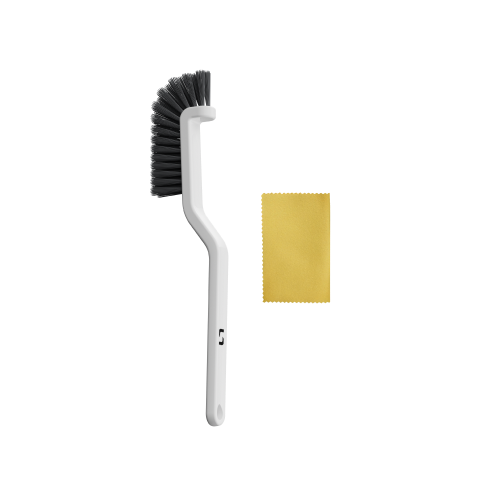
Regular Cleaning: Frequently brush off grass clippings and debris from the underside, wheels, and sensors, especially after mowing damp grass.
-
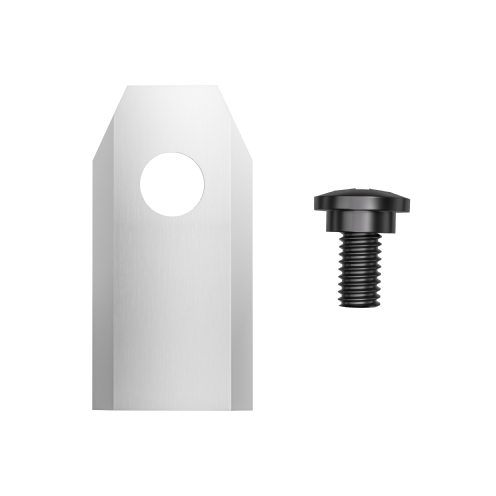
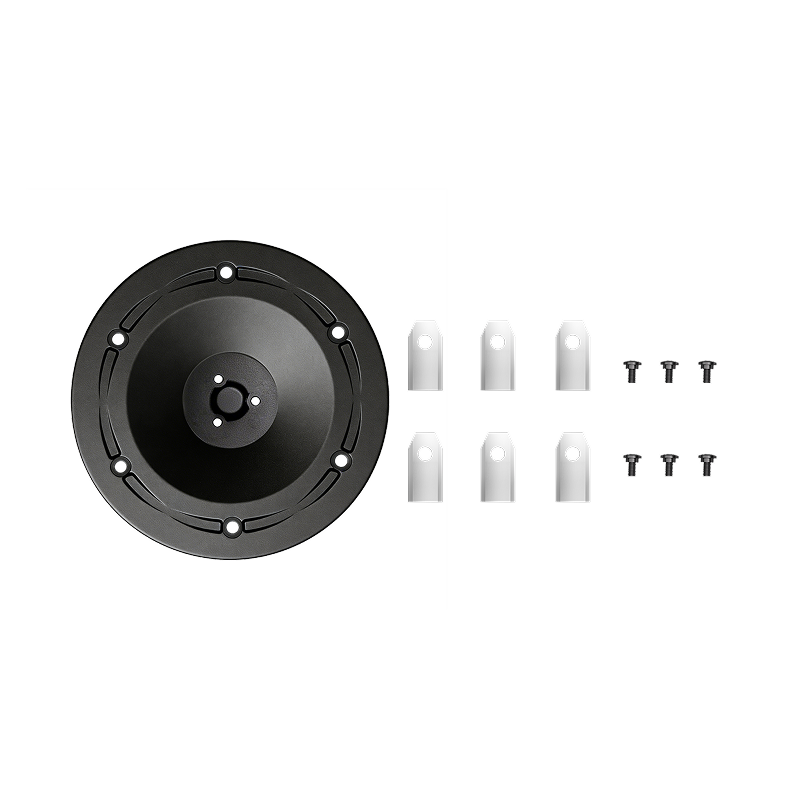
Blade Care: Inspect the cutting blade monthly. Stainless steel blades should be replaced every 1-2 months during the peak growing season for a clean, healthy cut.
-
Battery and Seasonal Care: Avoid leaving the mower on the charger indefinitely. For winter storage, clean the unit thoroughly, charge the battery to approximately 50%, and store it in a cool, dry place off the ground.
-
Part Replacement Plan: Plan for the eventual replacement of consumable parts. The main battery often lasts 3-5 years. Using manufacturer-recommended parts ensures compatibility and maintains safety certifications.
Conclusion
A robot lawn mower is an investment in convenience, consistency, and reclaimed time. The technology has matured into a dependable alternative to manual mowing or ongoing service contracts. Through frequent, gentle mulching cuts, these machines support healthier, denser grass while operating quietly and without emissions.
Choosing to automate starts with understanding your lawn’s layout, thinking beyond upfront cost to long-term value, and committing to simple preventative care. For homeowners looking to simplify routines and elevate outdoor living, solutions from Sunseeker Robotics exemplify how smart design and dependable performance can work in harmony. With the right automated partner in place, lawn care fades into the background, leaving your weekends free to enjoy a consistently pristine garden.
FAQs
How safe are robot mowers around pets and children?
Modern robot mowers incorporate multiple safety features. These include lift and tilt sensors that stop blades instantly, obstacle detection, and low-profile, guarded cutting discs. While designed for safety, direct supervision of children and pets during operation is always recommended.
Will a robot mower replace my lawn care service?
A robot mower excels at frequent, automated trimming, maintaining a consistently neat lawn. However, it does not perform tasks like edging, aerating, fertilizing, or handling seasonal cleanups. It often works best alongside periodic professional lawn care services.
Can I install a robot mower myself?
Yes, most models are designed for straightforward DIY installation. Systems using GPS or vision navigation offer app-guided setup, typically completed within an hour. Even perimeter wire installation is manageable for homeowners with basic tools and a moderate lawn layout.