What Does “Boundary-Free” Really Mean?
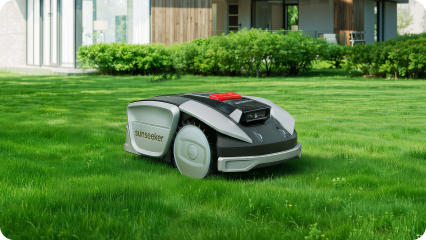
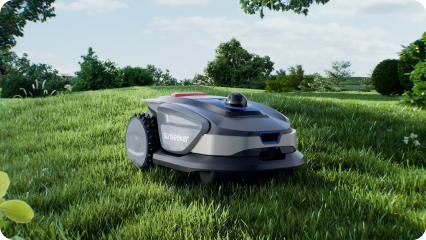
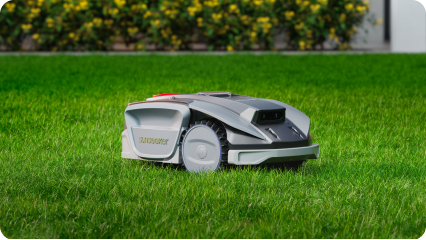
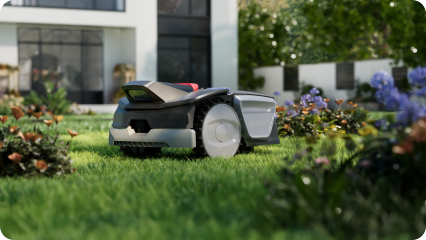
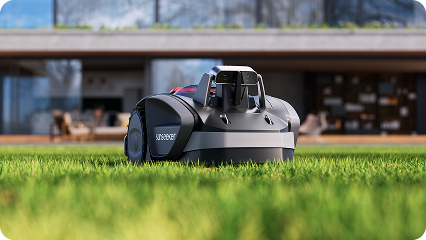
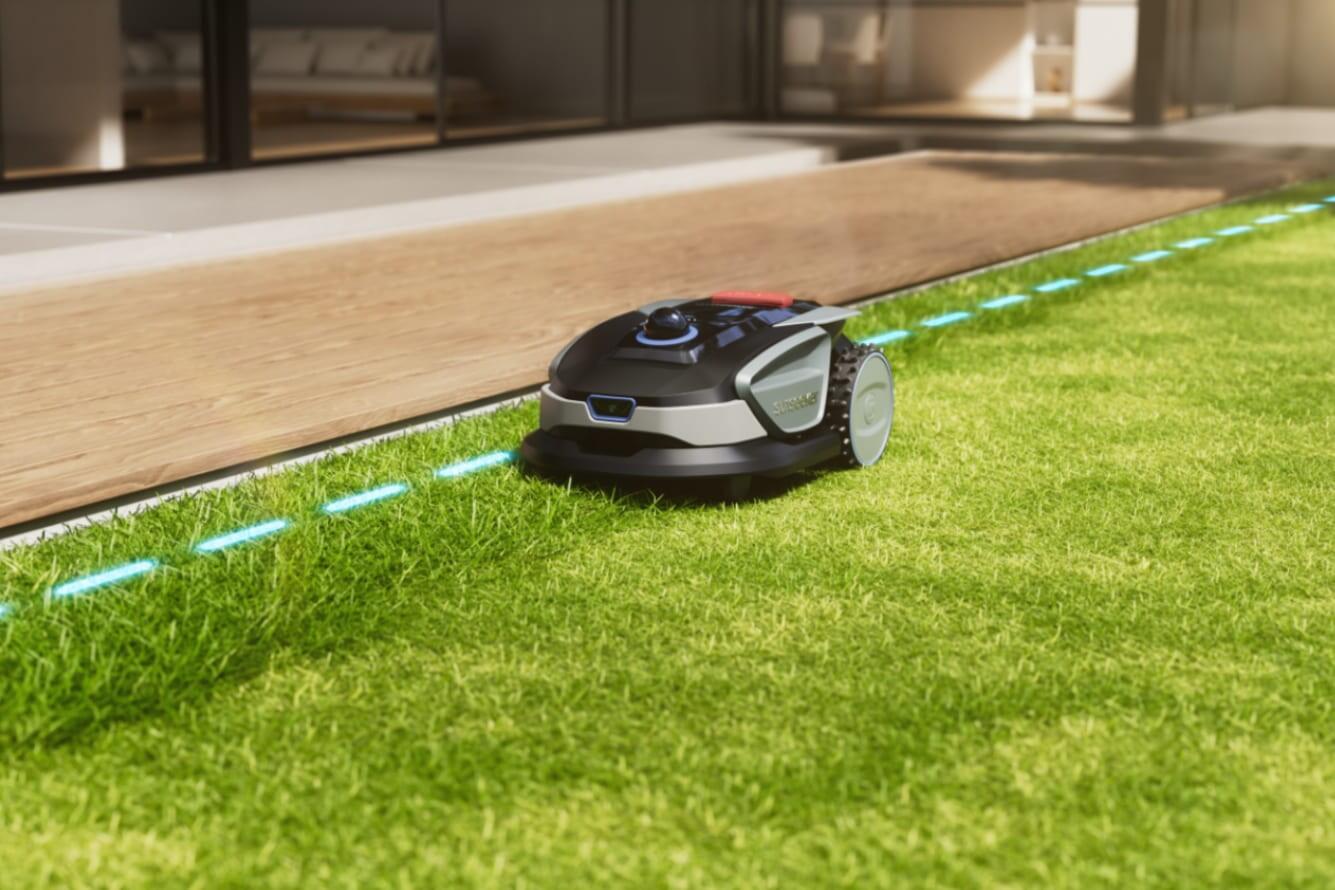
At its essence, a wire-free robotic mower operates without any physical perimeter wire to define its working area. Instead of being confined by a buried electric cable, the mower understands its boundaries through a combination of advanced technologies.
These systems use digital mapping and intelligent sensors to create a virtual boundary, allowing the mower to navigate precisely and autonomously. This transforms lawn confinement from a physical hardware challenge into a software-driven solution.
Why Boundary-Free Technology Is Becoming the Mainstream Choice
Boundary-free robotic lawn mowers did not emerge overnight. Their growing popularity reflects both changing lifestyles and significant technological progress.
1. Meeting the Needs of the Modern Homeowner
Modern homeowners value convenience and adaptability. Long setup processes and permanent installations conflict with busy schedules and evolving outdoor spaces. Gardens today are often redesigned, expanded, or rearranged seasonally. Physical boundary wires struggle to keep up with these changes, while virtual boundaries adapt instantly.
Boundary-free systems directly address the desire for simplicity. Installation focuses on mapping rather than digging, and adjustments take minutes rather than hours. This aligns well with contemporary expectations for smart home devices that work out of the box and remain flexible over time.
2. Maturity and Reliability of Technology
Early boundary-free concepts faced legitimate challenges. Satellite drift, signal interruption near buildings or dense tree cover, and limited onboard computing power often reduced accuracy and reliability. Today’s systems address these issues through advanced satellite correction methods, higher-resolution cameras, and significantly more powerful processors capable of real-time decision making.
Sensor fusion now plays a central role in stability. When satellite data weakens, visual inputs and inertial sensors seamlessly maintain positioning and direction. Extensive real-world testing across varied lawn sizes, layouts, and terrain has confirmed consistent coverage, precise cutting patterns, and dependable long-term operation.
If you would like to explore further details regarding the navigation technology of wireless robotic mowers, please refer to our related article Best Robot Lawn Mowers Without Perimeter Wire for 2026.
3. Integration with the Smart Home Ecosystem
The proliferation of connected devices within the home has created a natural expectation for outdoor equipment. Homeowners now seek the same level of control and automation for their lawns as they have for their lighting, climate, and security.
Wire-free mowers are inherently connected devices. They are managed through intuitive smartphone applications that allow for scheduling, real-time monitoring, zone management, and receipt of maintenance alerts. This integration transforms lawn care from an isolated chore into a seamless component of whole-home management, delivering the streamlined, intelligent experience that defines modern domestic technology.
Key Advantages of Choosing a Boundary-Free System
The technical specifications translate into tangible benefits that directly improve the experience of owning and using a robotic mower.
Fast and Stress-Free Setup
Without boundary wires, installation becomes dramatically simpler. There is no trenching, measuring cable lengths, or troubleshooting signal breaks. Most systems rely on an initial mapping process that teaches the mower the lawn layout.
Wireless mapping typically involves walking the mower around the perimeter using an app or allowing it to learn boundaries through an assisted run. The entire process often takes less than an hour, making it accessible even for first-time users.
Exceptional Flexibility and Adaptive Mapping
Virtual boundaries introduce a level of flexibility that physical wires cannot possibly offer. If you decide to expand a flower bed, add a new patio section, or simply change the layout of your lawn, you can update the mower's working area in minutes through the app.
With advanced robot mowers like the Sunseeker S4, you can also create multiple zones, define no-mow areas to protect delicate plants or newly seeded grass, and make seasonal adjustments without ever touching a spade. The mower adapts to your garden as it evolves.

Sunseeker S4 demonstrating no-go zone control
Superior Cutting Consistency and Efficiency
Freed from the simple bounce-and-turn logic of early boundary-wire models, modern wire-free mowers utilize intelligent navigation systems to deliver superior results. They follow systematic, efficient paths that ensure complete coverage without missed strips or unnecessary overlap, resulting in a consistently even cut.
Enhanced Obstacle Detection and Intelligent Avoidance
Boundary-free mowers typically include advanced obstacle recognition. Cameras and sensors detect both fixed objects like trees and dynamic obstacles such as toys or pets. Some systems adjust routes in real time, slowing down or rerouting when unexpected objects appear. Over time, learning algorithms can improve responses based on repeated encounters, leading to smoother and safer operation.
Cleaner Garden Aesthetics
Eliminating boundary wires removes visible hardware from the yard. There are no exposed cables, no risk of accidental cuts during aeration, and no future digging required for repairs. This clean setup supports modern outdoor design trends that emphasize minimalism and uncluttered spaces. The lawn remains visually seamless, free from the hidden infrastructure that traditional systems require.
Who Should Consider a Wire-Free Robotic Lawn Mower?
No-boundary robot mowers offer convenience, flexibility, and intelligent automation. This technology is particularly well-suited for specific homeowner profiles:
-
Homeowners Seeking Simple Setup: Those who want to avoid digging trenches or hiring professional installers often find boundary-free models especially appealing. The ability to complete setup quickly without specialized tools lowers the barrier to entry.
-
Gardens With Changing Layouts: Lawns that evolve with new landscaping, seasonal furniture, or construction projects benefit greatly from virtual boundaries. Adjustments can be made via an app instantly without disturbing soil or plants.
-
Properties With Multiple Lawn Zones: Homes with separate front, back, and side lawns benefit immensely from the easy digital zoning and navigation between areas.
-
Families With Children or Pets: Advanced obstacle detection enhances safety in active households. The mower can recognize and avoid unexpected movement, reducing the risk of contact during operation.
-
Technology Enthusiasts: Users who enjoy actively controlling and fine-tuning machines through apps, real-time monitoring, and frequent adjustments often appreciate boundary-free systems. These mowers feel more like interactive machines to manage and optimize, rather than passive lawn tools.
A Guide to Successful Setup and Operation
To maximize the performance and longevity of a wire-free system, proper setup and basic care are essential.
Preparing Your Lawn
Before the first mowing session, take time to prepare the area. Remove large sticks, stones, and any temporary debris. Identify and note areas with persistent challenges, such as very steep slopes, dense overhead tree cover that might affect GPS signals, or poorly drained wet patches. Filling in minor holes and ensuring the perimeter is clear will give your mower the best possible start.
The Installation Process
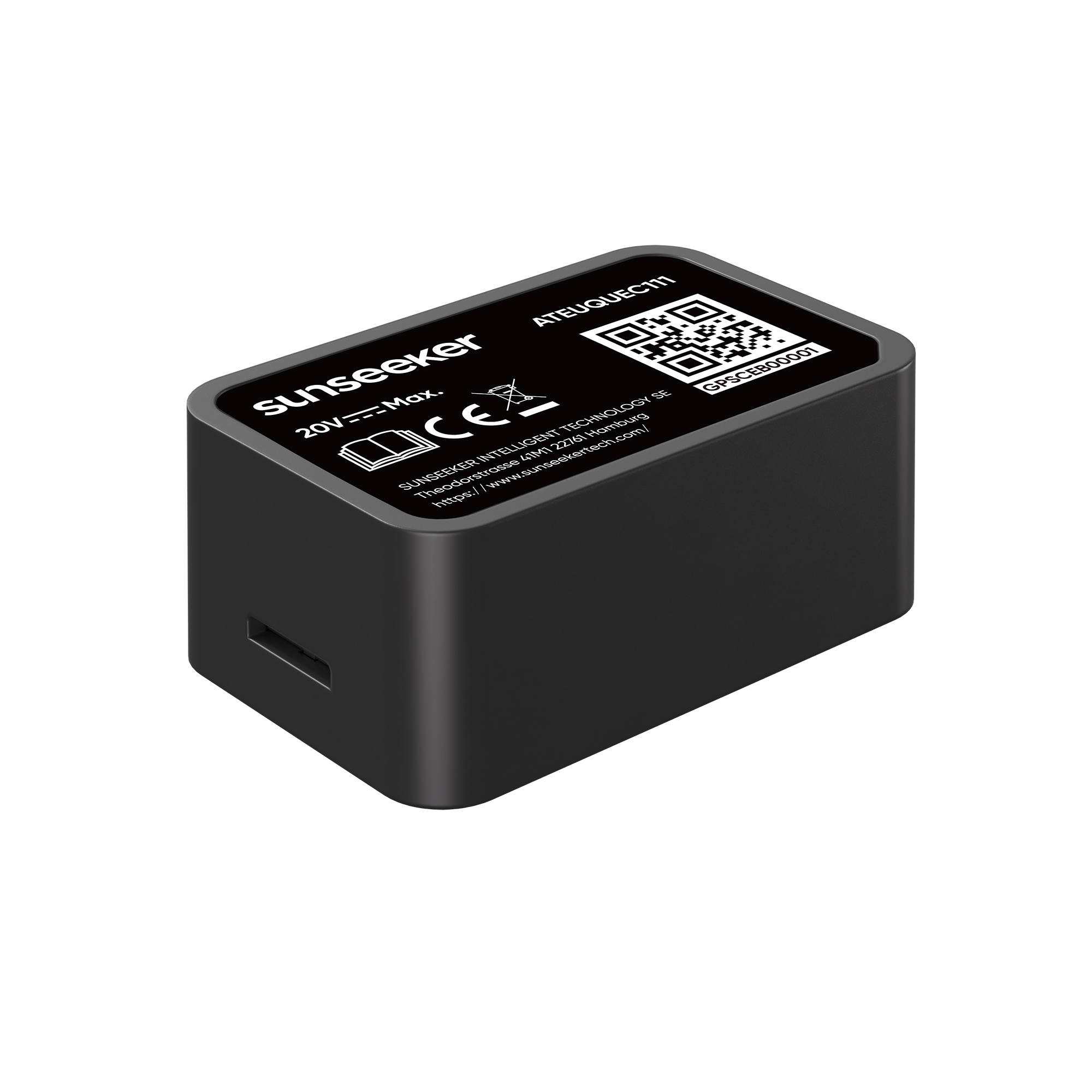
The setup process is straightforward. For systems using an RTK reference station, this unit must be placed on a level surface with a clear view of the sky, usually near the charging dock. Using the manufacturer's app, you will then define the mowing area. This often involves walking the perimeter with the mower or a smartphone, or allowing the mower to perform an initial mapping run.
Vision-based systems may simply require you to place the mower on the lawn and start it, as it builds its map during early operations. In all cases, this process is significantly faster and less invasive than installing a perimeter wire.
Ongoing Maintenance for Optimal Performance
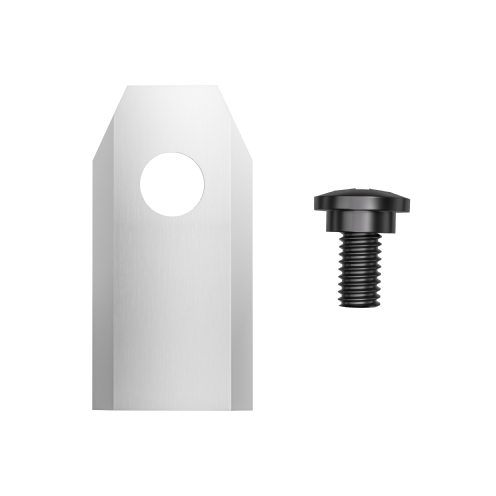
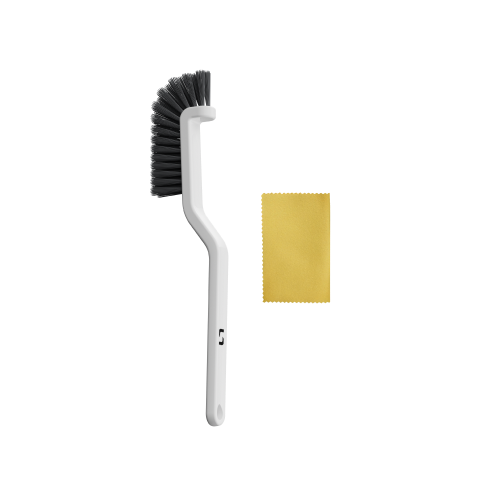
Regular, simple maintenance ensures reliable operation. Keep the mower's sensors and cameras clean from dirt, grass clippings, and dew. Check for and install software updates released by the manufacturer, as these often improve navigation and features. At the start and end of each mowing season, perform a more thorough check: inspect the blades for sharpness, clean the undercarriage, and ensure the charging contacts are free of corrosion.
Conclusion
Wire-free robotic mowers mark a clear evolution in how automated lawn care is designed and experienced. By removing the physical boundary wire, they eliminate long-standing frustrations around installation, repairs, and rigid garden layouts. Setup takes minutes rather than hours. Lawn zones can be adjusted anytime. Navigation is smarter, coverage is cleaner, and integration with connected homes feels seamless.
While the upfront cost may be higher than basic wired models, the long-term value is clear in saved time, flexibility, and everyday convenience. As the technology matures, wire-free systems are quickly becoming the new standard.
Ready to experience effortless lawn care? Explore the Sunseeker S4 today and transform your outdoor space.
FAQs
How accurate are virtual boundaries compared to physical wires?
Modern systems using RTK positioning and vision-based AI often achieve centimeter-level accuracy. In many situations, this precision matches or exceeds traditional boundary wires while avoiding the risk of wire damage or signal breaks.
Can I change the boundaries of my wire-free mower later?
Yes, this is one of the greatest strengths of wire-free systems. You can redraw boundaries, add exclusion zones, or create entirely new mowing areas directly through the smartphone application at any time, with no physical digging or rewiring required.
Do no-boundary robot mowers work on complex or irregular lawns?
Absolutely. Advanced navigation algorithms allow these mowers to handle curved borders, narrow passages between garden features, and multi-zone layouts effectively. Most models are rated for significant slopes, often up to 35 degrees or more, especially those equipped with all-wheel-drive systems for enhanced traction.