Lawn Mower Blade Replacement Process
Replacing a mower blade is a straightforward task that most homeowners can complete in under 30 minutes with basic tools. Following the below steps ensures both your safety and the mower's optimal performance.
1. Disconnect Power for Safety: Fully cut off power before starting—disconnect the spark plug on gas mowers or remove the battery on electric and robotic models to prevent accidental startup.
2. Prepare Tools and Gear: Gather a wrench or socket set, a block of wood, sturdy work gloves, and optional safety glasses, then work on a flat, stable surface.
3. Access the Blade Deck: Carefully tilt the mower onto its side (following the manufacturer’s guidance) to expose the blade area safely.
4. Immobilize the Blade: Wedge a block of wood between the blade and the deck housing to stop the blade from rotating while loosening the bolt.
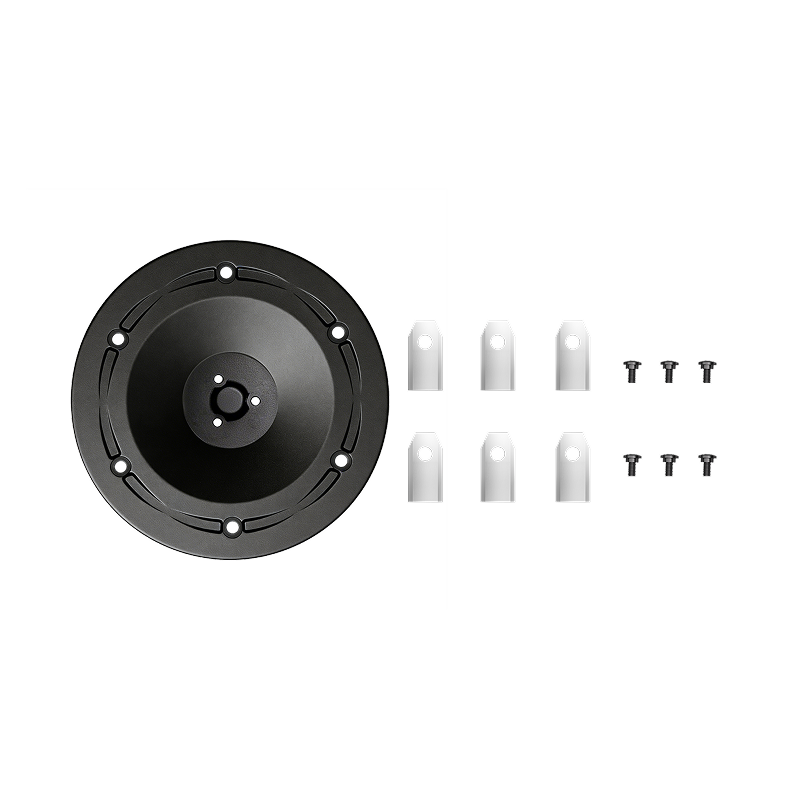
5. Remove the Old Blade: Loosen and remove the central bolt, washers, and the worn blade, noting bolt direction in case of reverse threading.
6. Clean the Deck Area: Scrape away built-up grass and debris from the underside of the deck to improve airflow and cutting performance.
7. Install the New Blade: Position the new blade correctly, ensuring the sharpened edge faces the right direction, then hand-tighten the bolt for alignment.
8. Secure and Recheck: Firmly tighten the bolt to the recommended torque, check blade balance to avoid vibration, and reconnect the power source once finished.
When Are Lawn Mower Blades Worn Out
Recognizing the signs of a worn blade helps you stay proactive, preventing damage to both your lawn and your mower.
1. Visual Inspection Indicators
The most direct check is a look at the blade itself. Remove it and examine the cutting edges. Look for obvious damage like large nicks, deep grooves, or a bent edge. Check for excessive rust that has pitted the metal.
A blade that is simply dull will have a rounded, polished edge instead of a sharp, defined one. If more than a quarter of the cutting edge is significantly damaged or worn, replacement is needed.
2. Lawn Health and Appearance Clues
Your lawn will tell you when the blade is failing. Walk your yard after mowing. If the grass tips appear ragged, torn, and whitish or brown instead of cleanly sliced, the blade is dull. You might also see an uneven cut, with some grass blades standing taller than others, or a pattern of uncut strips. In contrast, a healthy lawn cut with a sharp blade looks uniformly smooth and vibrant green.
3. Performance and Sound Signals
Listen to and observe your mower. A dull blade forces the engine to work harder. You may notice reduced power, especially in thick grass, or the mower may leave behind uncut clumps instead of finely mulched clippings. Increased vibration and a change in the engine's sound under load are also common indicators of an unbalanced or damaged blade.
When to Replace Mower Blades?
Adopting a proactive approach to blade care saves time and promotes a healthier lawn.
Recommended Replacement Frequency
For traditional push or riding mowers, a general guideline is to sharpen the blade every 20-25 hours of operation to maintain optimal cutting performance. Regardless of usage, a complete blade replacement is recommended at least once per year.
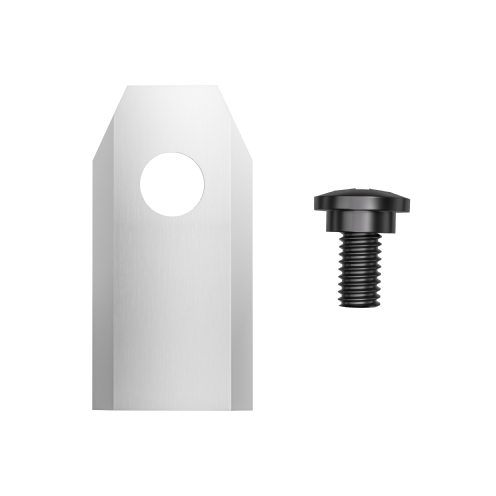
For robotic lawn mowers, which perform frequent, light cuts, the schedule differs. Plan to replace the entire blade set more often, approximately every 6 to 8 weeks during the active growing season. This ensures the fine, consistent cutting required for healthy mulching and a pristine lawn appearance.
Factors that Affect Blade Life
-
Grass Type: Tough, thick, or fibrous grasses (like Bermuda or Zoysia) dull blades faster than finer, softer grass varietieslike
-
Growth Rate: Faster grass growth requires more frequent mowing, which increases blade usage and accelerates wear, shortening the period the blade remains sharp.
-
Obstacles: Hidden rocks, sticks, roots, or hard soil edges can nick or bend the blade, dramatically shortening its usable life.
-
Moisture: Cutting wet grass accelerates corrosion and causes clippings to stick to the blade, reducing sharpness and cutting efficiency.
-
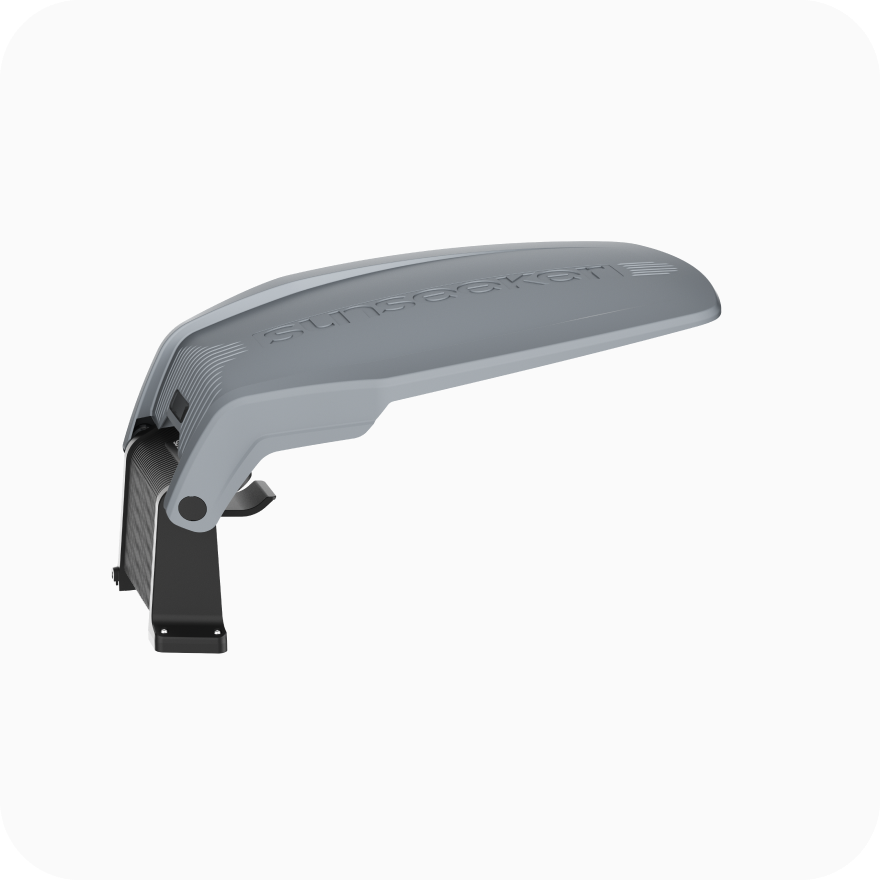
Blade Quality: Opt for blades made from hardened, high-carbon steel with wear-resistant coatings for superior edge retention and durability. For instance, the premium blades in the Sunseeker robot mowers are specifically engineered to maintain sharpness longer and resist deformation from daily impacts.
How to Maximize Blade Life of Lawn Mower?
Simple habits can extend the time between replacements and protect your equipment.
Keep the Lawn Clear of Debris
Regularly remove sticks, stones, pinecones, and hard objects before mowing. Impacts with debris are one of the fastest ways to nick or bend a blade. A clean lawn means less shock and more consistent cutting performance.
Avoid Mowing Wet Grass and Rough Terrain
Try to mow only when the grass is dry, as wet grass clumps easily, sticks to the blade, and accelerates rust. It’s also wise to avoid rocky patches, exposed roots, and hard edges that can nick or dull the blade prematurely. For lawns with challenging contours, advanced designs help reduce stress on both the blade and machine.
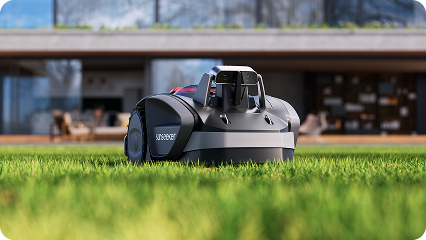
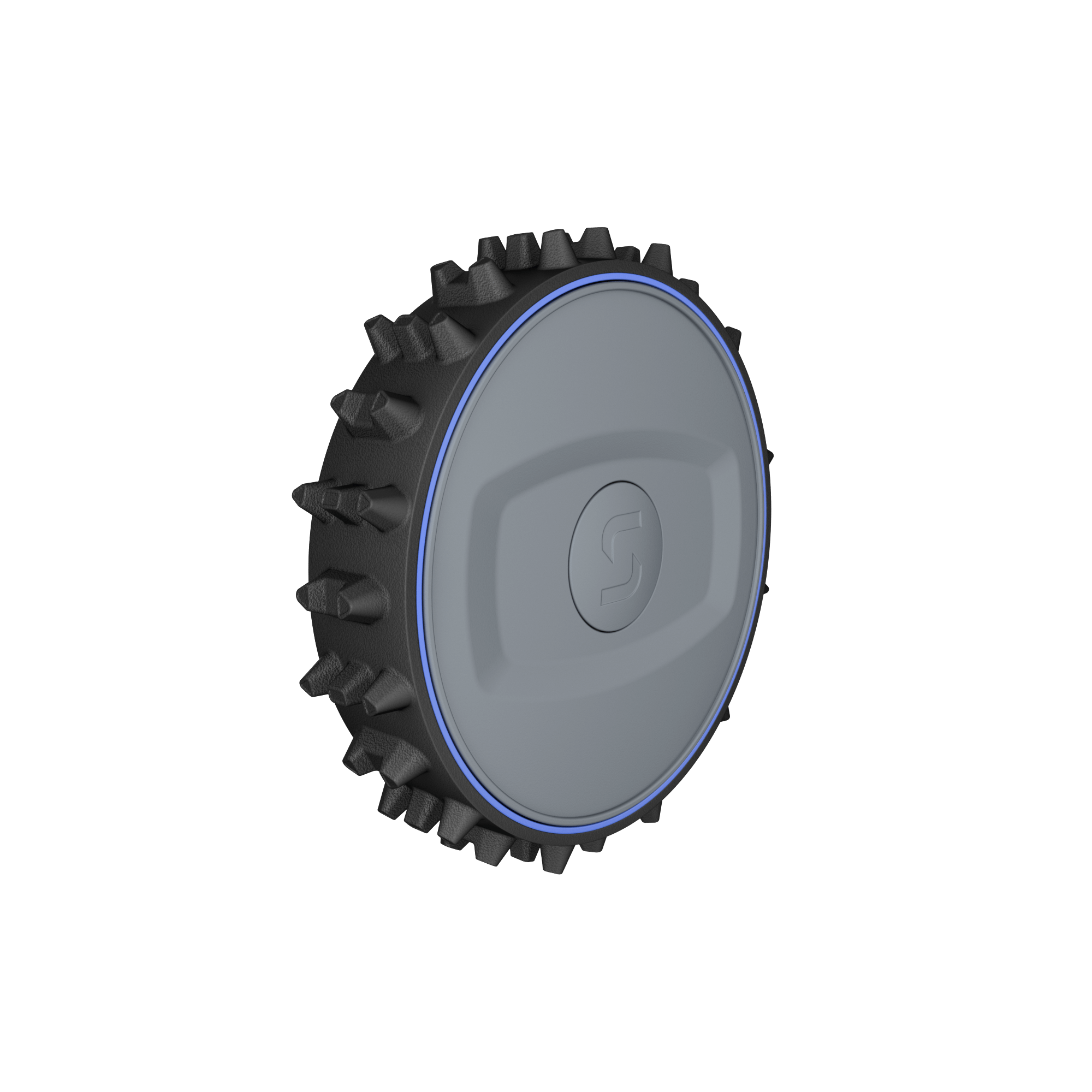
For example, models like the Sunseeker S5 feature rear-wheel drive system and off-road wheels to stay stable on slopes up to 60% (30°), absorbing bumps and maintaining smooth, consistent cutting across uneven ground.
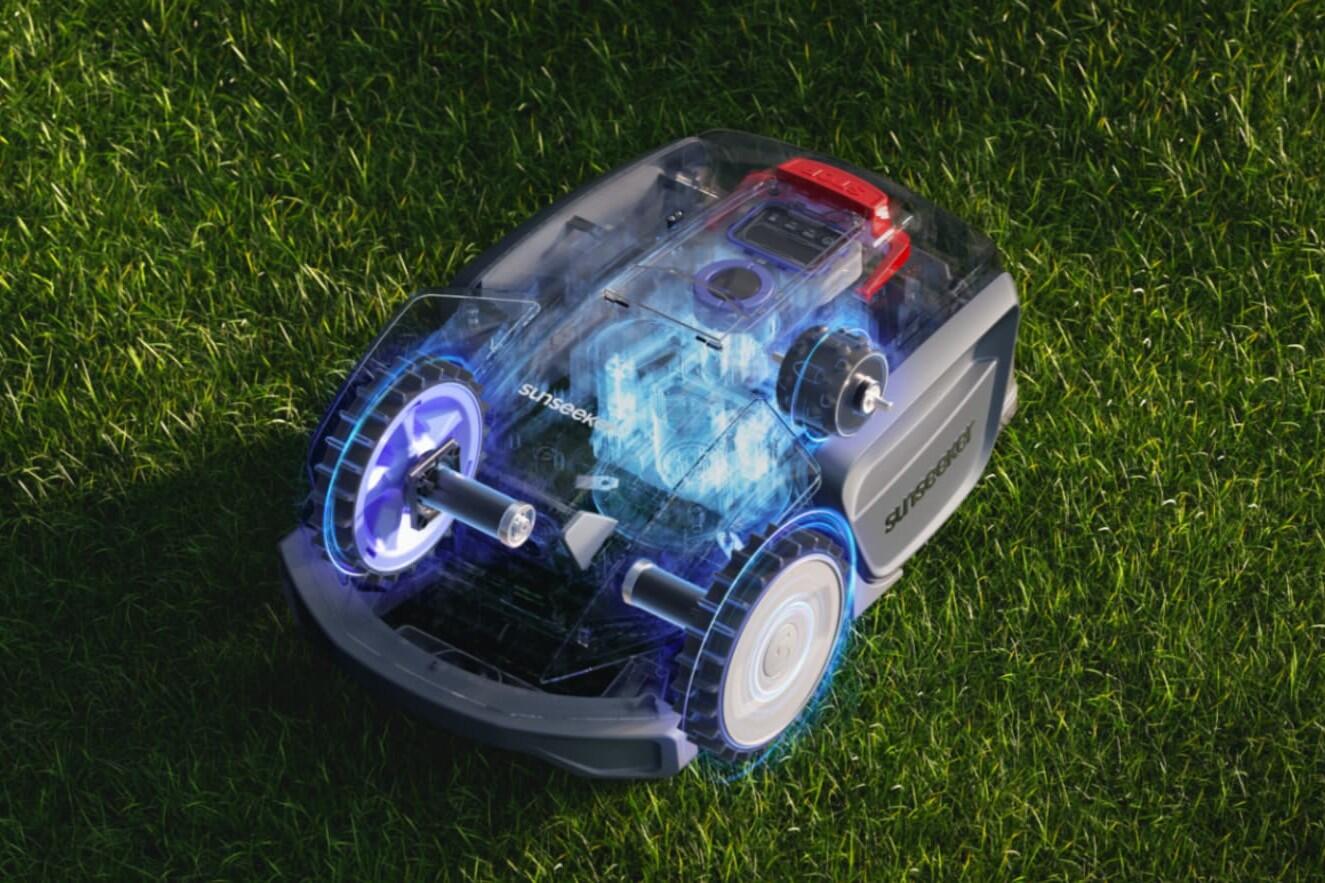
Sunseeker S5 with All-Wheel Drive System
Clean the Mower Deck Regularly
After each use or every few mows, clear grass clippings and debris from the underside of the mower. Buildup traps moisture, which promotes rust and corrosion on the blade. A clean deck also ensures better airflow and cutting efficiency.
Store the Mower Properly
Before long-term storage, clean the blade thoroughly and apply a light coat of oil to prevent rust. Store the mower in a dry, covered area to protect it from humidity and weather-related damage.
Conclusion
Learning how to replace your lawn mower blade is more than routine maintenance, it’s an investment in both lawn health and equipment longevity. A sharp blade delivers clean cuts that heal quickly, promoting thicker, more resilient grass, while a dull one causes stress and damage.
By recognizing wear early, performing safe replacements, and following a sensible maintenance schedule, you gain direct control over mowing quality and efficiency. The payoff is clear: a healthier, more attractive lawn, a mower that runs smoother and lasts longer, and the confidence that comes from proper care.
To further optimize your lawn care routine, please continue reading in our dedicated guide: How Often to Mow Lawn? A Practical Guide, where you’ll learn to align mowing frequency with grass type and seasonal growth.
FAQs
How can I tell if my mower blade is dull without removing it?
Inspect your lawn after mowing. Dull blades tear grass, leaving ragged, brown tips instead of clean cuts. Also, listen for increased engine strain or vibration during operation, and notice if clippings are left in large, uneven clumps rather than fine mulch.
Can I sharpen my own mower blades, and what's the best method?
Yes, with proper tools. For safety, always remove the blade first. Use a vise, a metal file, or a bench grinder, following the original cutting angle. Most importantly, balance the blade afterward—an unbalanced blade causes damaging vibration and wear.
Do robotic mower blades need sharpening, or just replacement?
They are designed for replacement, not sharpening. These blades are small, hardened, and balanced as a set. DIY sharpening risks imbalance, which can harm the mower's motor. Replacement sets are cost-effective and ensure optimal performance and safety.