![]()
What Is a Robot Lawn Mower?
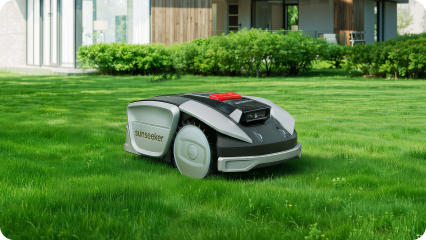
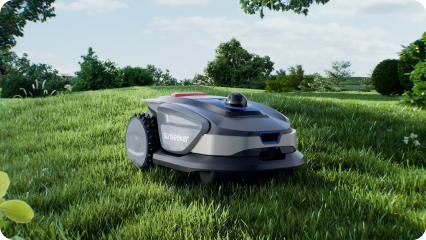
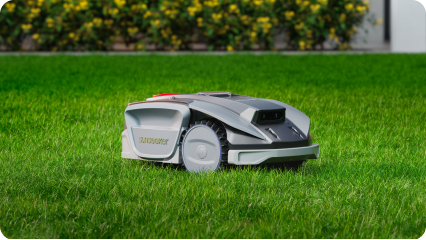
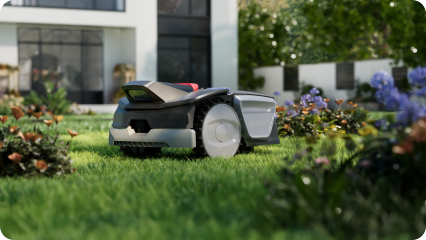
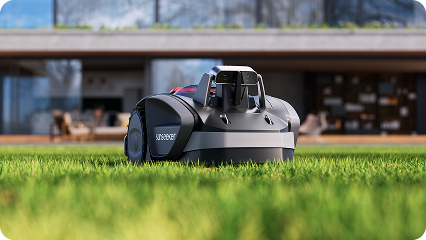
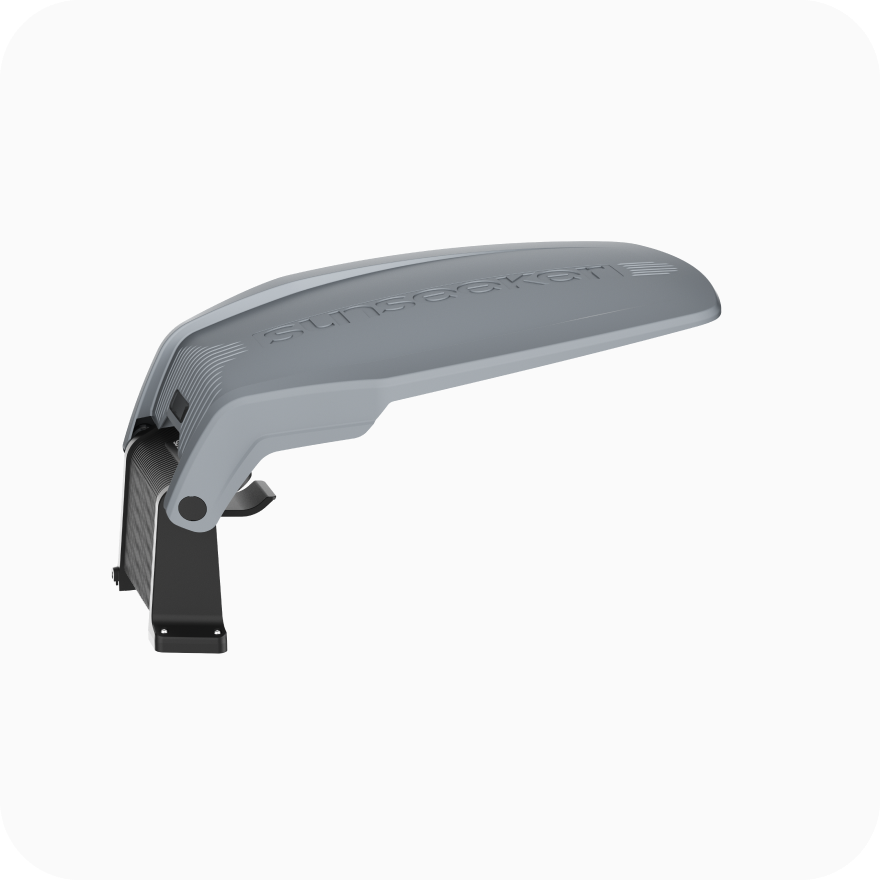
A robotic lawn mower is an autonomous device designed to cut grass using integrated sensors, navigation technology, and programmable scheduling. It functions with minimal human input, transforming a routine chore into a fully automated process.
Unlike traditional riding mowers, robotic mowers work continuously and quietly rather than requiring manual operation each time. They utilize sensors and digital mapping for navigation instead of human steering, and they trim grass lightly and frequently, which promotes healthier turf compared to heavy, occasional cuts.
The Core Navigation Systems
The ability to know where to travel and what to avoid is fundamental to every robotic mower. Navigation technology has advanced considerably, and divided into two main categories based on how they define and follow mowing boundaries: wired systems and wireless systems. Each approach relies on different navigation principles and suits different lawn environments.
Wired Boundary Systems
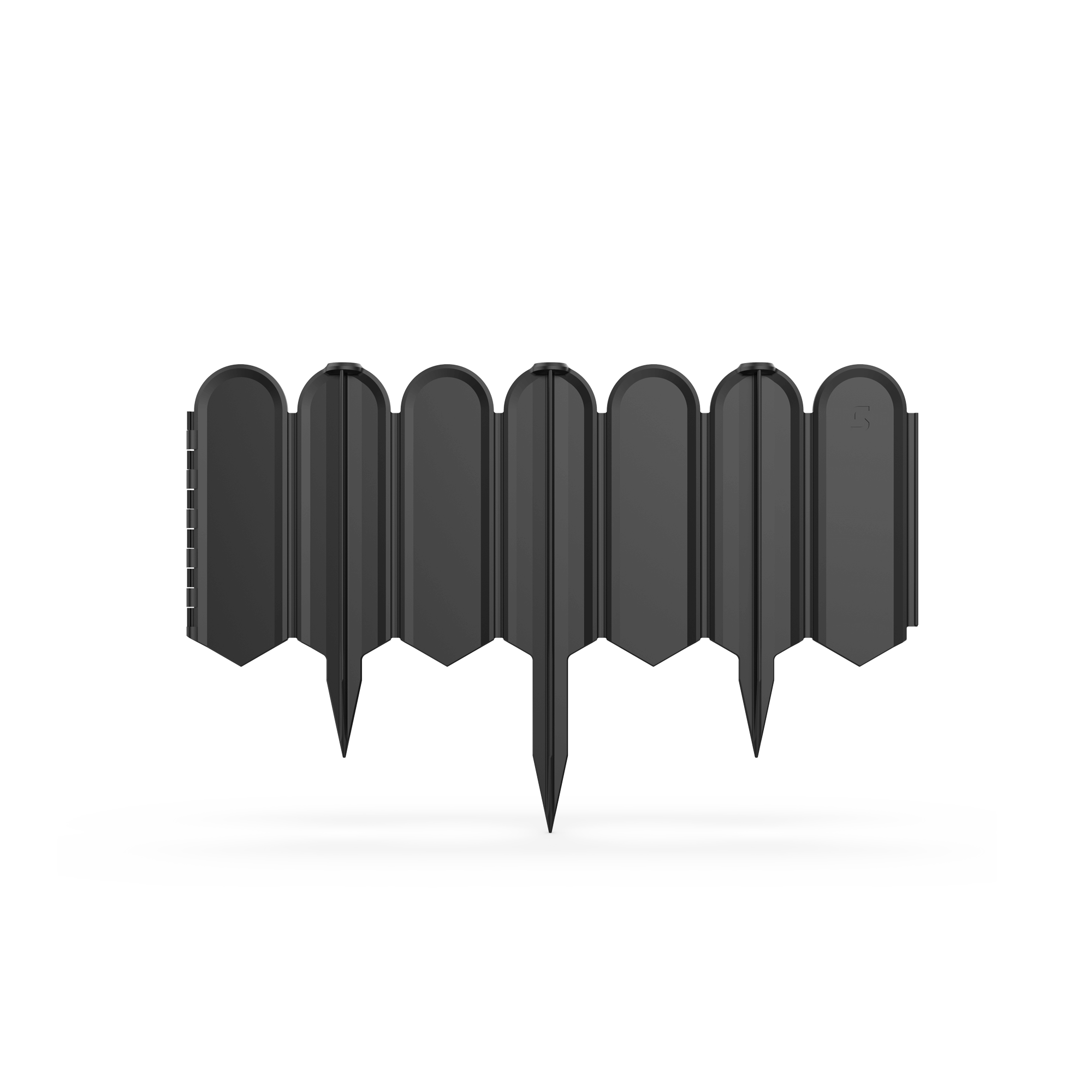
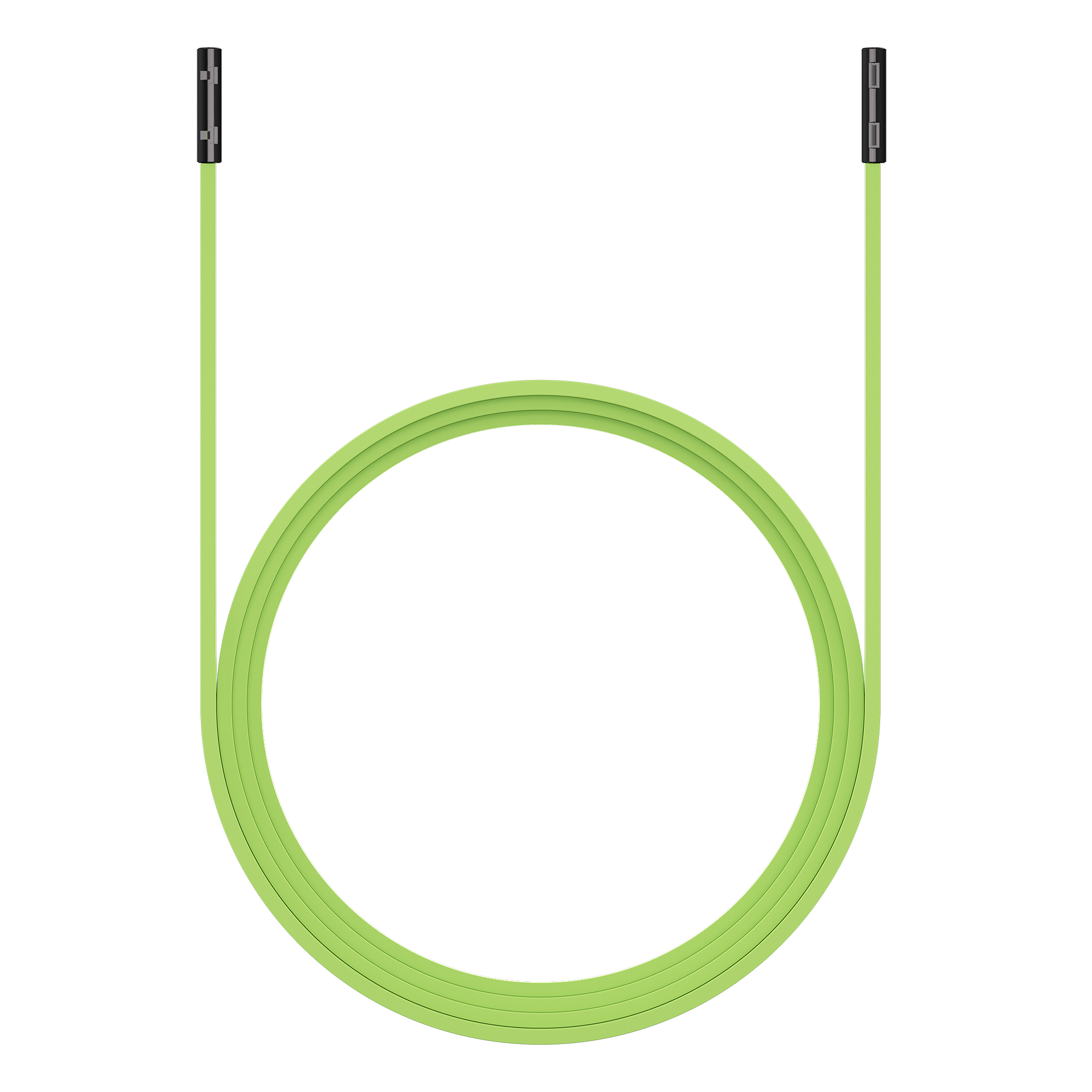
Wired robotic mowers use a physical boundary wire to outline the mowing area. This wire is installed just below the soil surface or fixed with ground stakes and emits a low-frequency signal. Sensors beneath the mower detect the signal and trigger a change in direction when the boundary is reached. Wired systems are proven, stable, and effective for many residential lawns, though installation requires planning and time, especially for complex layouts.
Wireless Navigation Systems
Wireless robotic mowers eliminate perimeter wires and rely on advanced sensing and positioning technologies. These systems are especially suitable for dynamic landscapes or multi-zone properties:
RTK-GPS systems use satellite positioning combined with real-time correction data to achieve centimeter-level accuracy. Virtual boundaries are created digitally through an app, allowing flexible adjustments without physical installation. This approach performs best in open areas with a clear view of the sky.
Vision-based systems rely on cameras and artificial intelligence to visually recognize lawn edges, pathways, and obstacles. By interpreting real-world surroundings, the mower can adapt to changing layouts. Consistent lighting conditions are important for reliable performance.
LiDAR-equipped mowers use laser pulses to map the lawn and measure distances with high precision. This technology excels in complex environments and performs well even in low-light conditions, making it suitable for gardens with trees, structures, or variable lighting.
Sensor-Driven Intelligence
Modern robotic lawn mowers rely on advanced sensor systems to navigate complex outdoor environments safely and efficiently.
Multi-Layer Obstacle Detection
Effective obstacle avoidance depends on layered perception rather than a single sensor. Most advanced robotic mowers combine several detection methods to respond accurately in real time.
Collision sensors provide a basic safety net by detecting physical contact. When the mower touches an object, it immediately stops, reverses, and changes direction to prevent damage. Ultrasonic sensors add a predictive layer by detecting obstacles before contact occurs, reducing unnecessary bumps and improving navigation around furniture, trees, and garden features.
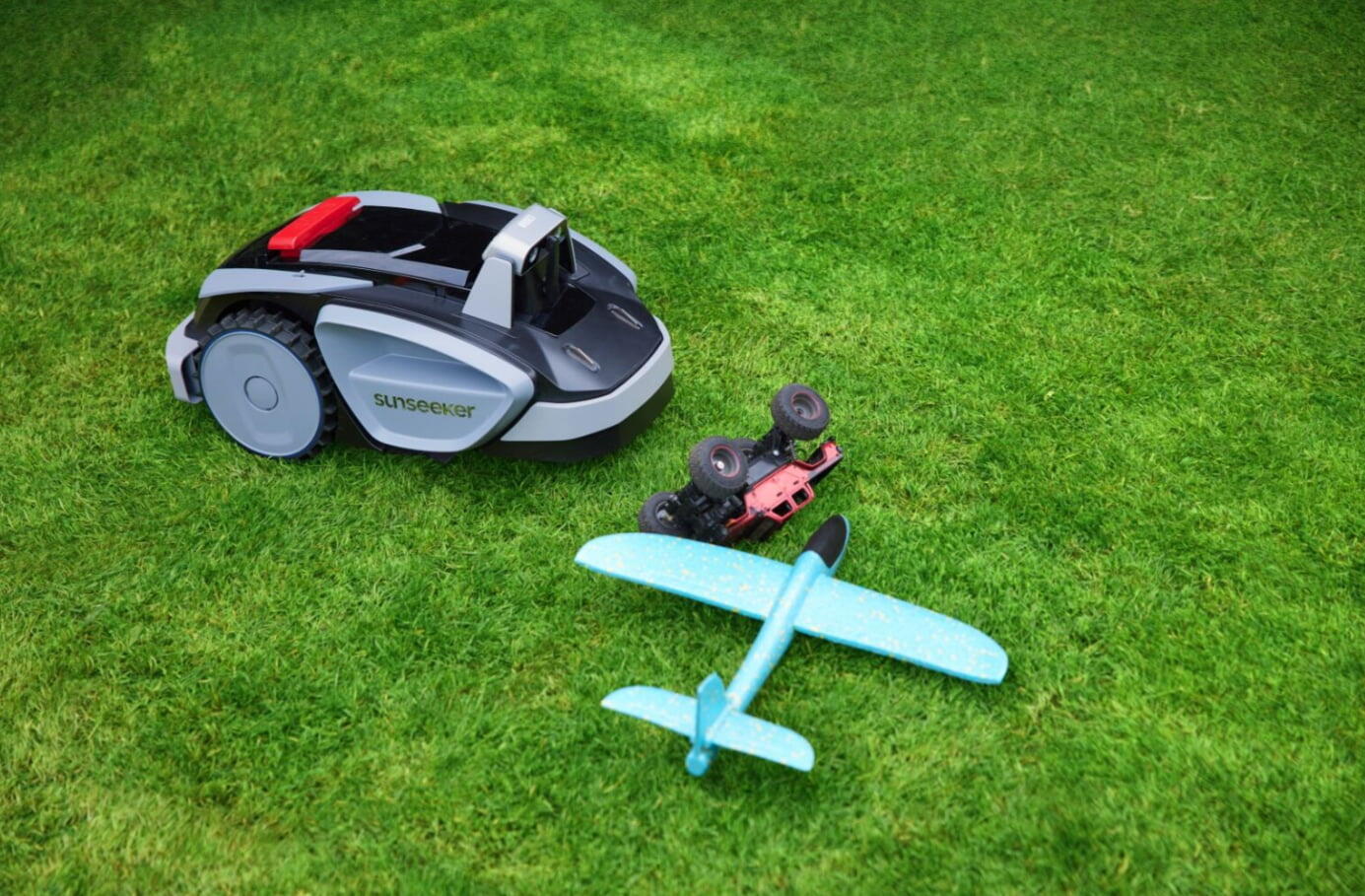
Vision-based systems represent the most advanced level of obstacle detection. For instance, using cameras and AI-driven image processing, Sunseeker V3 can recognize and classify over 160 objects such as toys, garden tools, pets, or pathways. Over time, machine learning algorithms refine avoidance behavior, allowing the mower to navigate more smoothly and intelligently with continued use.
![]()
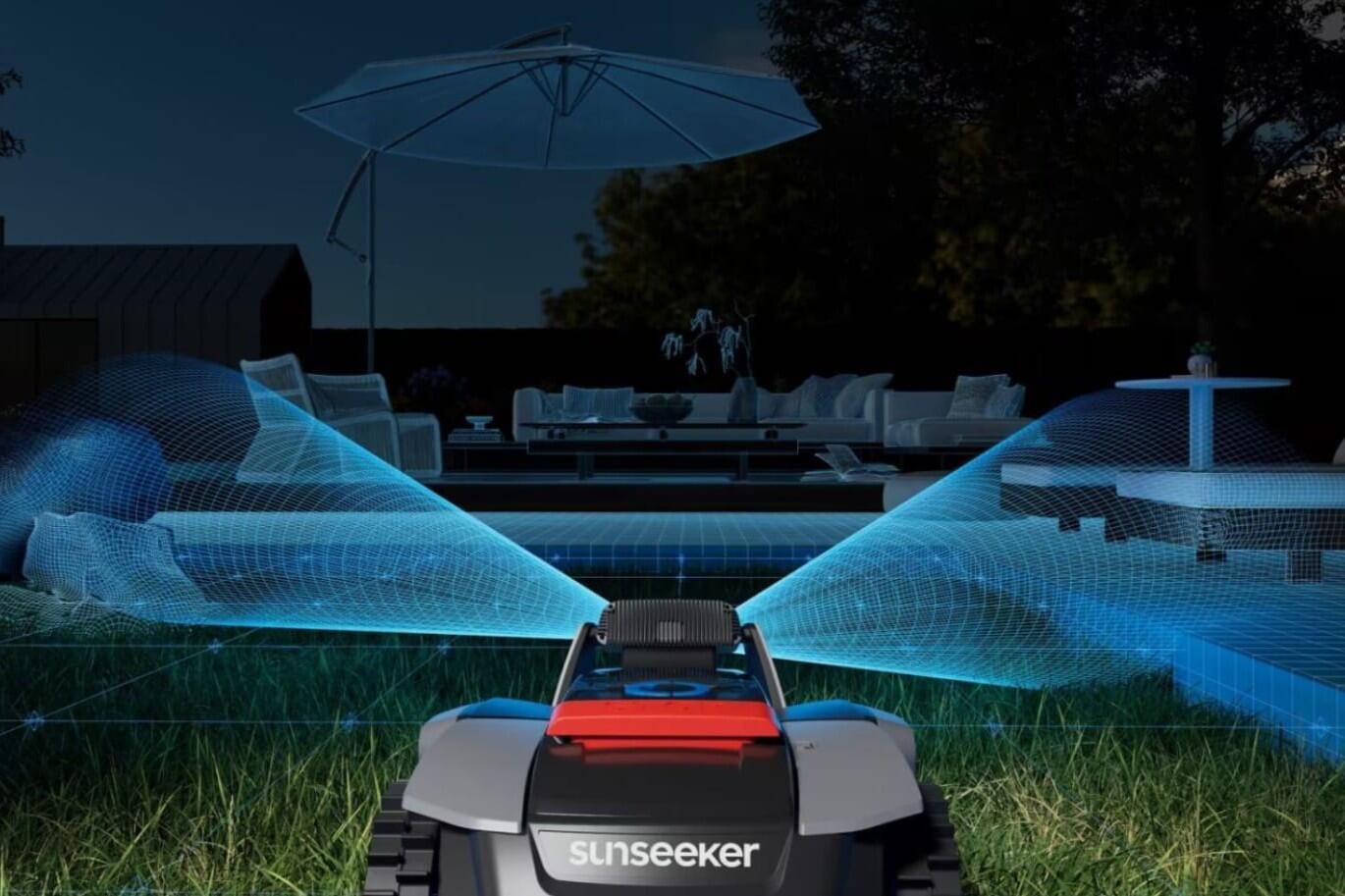
Sunseeker V3 with Vision AI Dual-eye System
Personal Safety Protection
Personal safety is a critical design priority for robotic lawn mowers operating in shared outdoor spaces. Lift and tilt sensors continuously monitor the mower’s orientation. If the unit is lifted, tipped excessively, or flipped, the cutting system stops instantly.
This immediate blade shutdown minimizes the risk of injury to users, children, and pets. Restarting typically requires placing the mower back on level ground and performing a manual reset, ensuring the machine cannot resume operation unintentionally. These safeguards allow robotic mowers to operate confidently in family-oriented environments.
Weather Awareness
Outdoor conditions vary constantly, and robotic mowers are engineered to handle these challenges without compromising performance or durability. Many models feature water resistance ratings ranging from IPX5 to IPX7, enabling safe operation during light to moderate rainfall.
Integrated rain sensors often trigger automatic docking behavior, sending the mower back to its charging station when precipitation exceeds optimal mowing conditions. Temperature monitoring systems further protect internal electronics and batteries by pausing operation during extreme heat or cold. Together, these features extend product lifespan while ensuring reliable, season-long operation.
Mechanical Systems for Cutting and Mobility
Mechanical design plays a decisive role in mowing quality. Cutting systems, drive mechanisms, and path planning strategies work together to ensure even coverage, healthy grass growth, and adaptability across varied lawn layouts.
Mowing Path Strategies
You'll find two main approaches to coverage patterns.
Wired robotic mowers typically follow a random mowing pattern within the boundary wire. Their movement is guided by onboard algorithms that change direction when obstacles or the perimeter wire are detected. While the path may appear unstructured, repeated sessions statistically ensure full lawn coverage. This approach is mechanically simple and reliable, making it a cost-effective choice for small to medium lawns with straightforward layouts.
On the other hand, wireless robotic mowers use smart planning to follow systematic, organized mowing routes. Enabled by advanced technologies, these models map the lawn and mow in efficient patterns like parallel lines or optimized zones. Smart planning reduces overlap, improves energy efficiency, and delivers consistent results, especially on large, multi-zone, or complex lawns.
Blade Systems and Cutting Technology
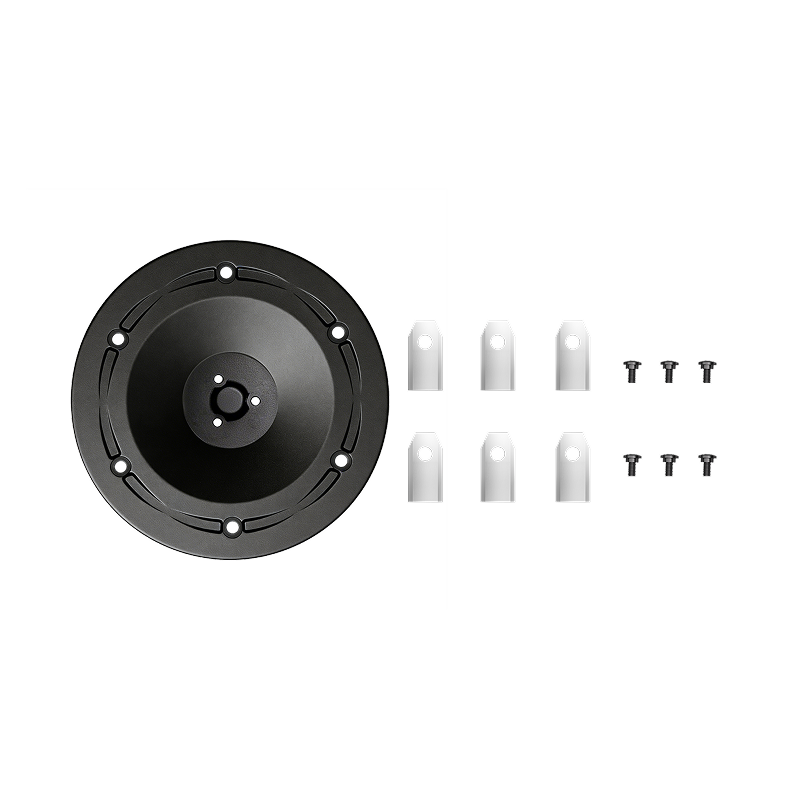
Modern robotic mowers prioritize grass health through specialized cutting mechanisms. Instead of a single large blade, most models use multiple small, sharp blades that perform micro-cutting. Each pass removes only a small portion of the grass blade, reducing stress and encouraging denser growth.
The blades are often mounted on pivoting mechanisms that allow them to retract when encountering resistance. This design minimizes blade damage and enhances safety. Fine grass clippings are left on the lawn as natural mulch, returning nutrients to the soil and reducing the need for additional fertilization.
Drive Systems and Terrain Adaptation
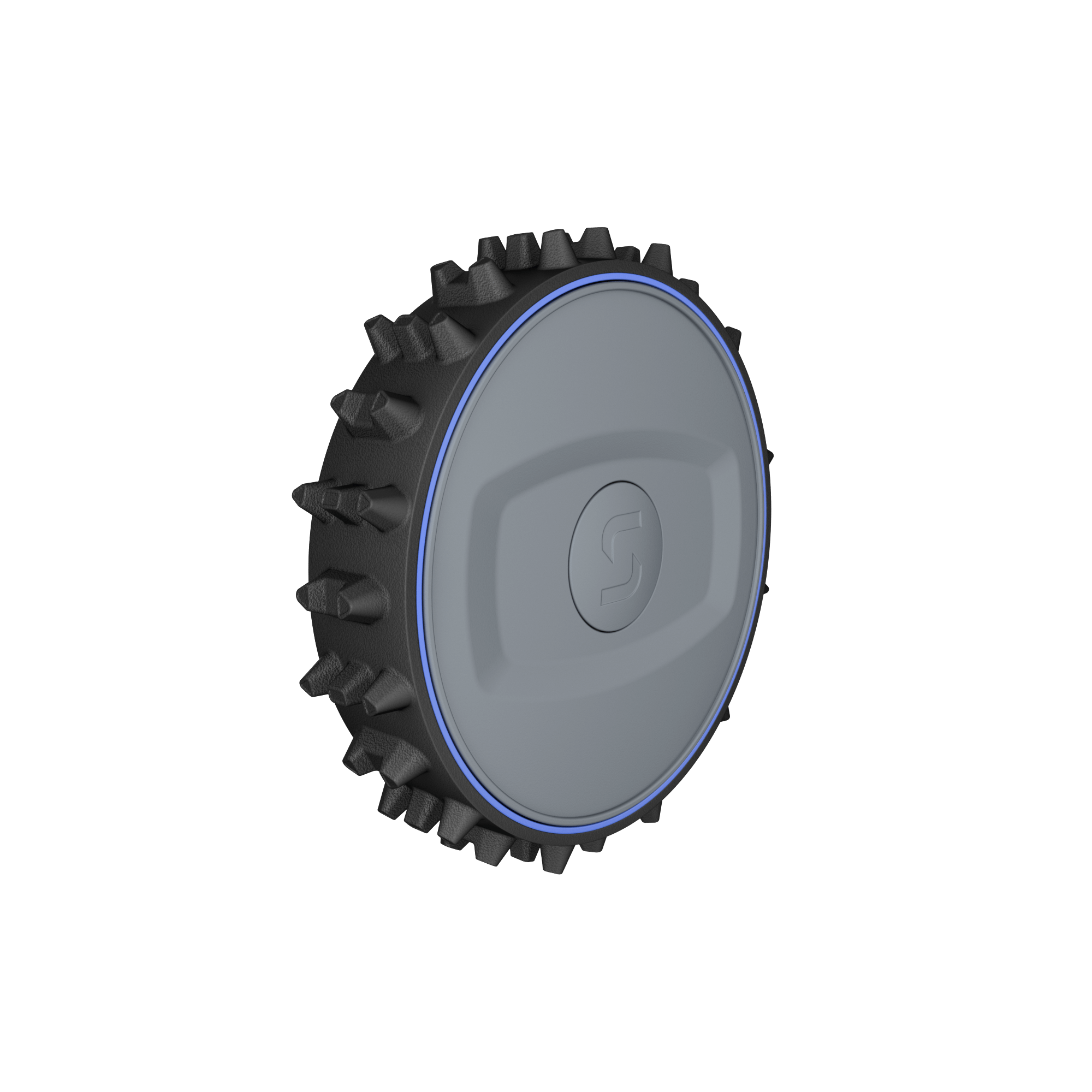
Mobility determines where a robotic mower can operate effectively. Two-wheel drive systems are suitable for flat or gently sloped lawns, offering simplicity and energy efficiency. For more demanding terrain, all-wheel drive configurations provide increased traction and stability on uneven ground or steeper inclines.
High-end models may incorporate adaptive wheel systems that adjust ground pressure dynamically. This ensures consistent contact with the lawn surface, maintains cutting quality across slopes, and supports reliable operation in challenging landscapes.
Smart Management and Security
Digital control systems transform robotic mowers from simple machines into fully connected lawn care solutions. Software integration enhances usability, security, and long-term convenience.
Mobile App Integration
Mobile applications serve as the central hub for modern robotic mower management. Through a smartphone app, users can set mowing schedules, adjust cutting parameters, monitor progress, and receive status notifications. Zone management features allow different areas of the lawn to receive customized care based on growth rate or usage.
Real-time alerts notify users when tasks are completed, maintenance is required, or irregular behavior is detected. Many systems also integrate with smart home platforms such as Amazon Alexa, Google Home, and Apple HomeKit, enabling voice commands and automation routines that align lawn care with broader home management systems.
Security and Anti-Theft Features
Security features are tightly integrated into the mower’s digital control system. PIN code activation is configured and managed through the mobile app, ensuring only authorized users can start the mower or modify its settings. This software-based access control extends protection beyond physical safeguards.
On premium models, GPS tracking and movement detection are also linked directly to the app interface. If the mower is lifted, transported, or moved outside its defined operating zone, instant alerts are sent to the user. By combining connectivity, location awareness, and real-time notifications, these systems significantly reduce theft risk and provide peace of mind, particularly for open or unfenced properties.
Conclusion
Robotic lawn mowers combine advanced navigation, precise cutting systems, intelligent charging, and integrated safety features to automate a once labor-intensive task. They map and maintain lawns methodically, avoid obstacles, and follow scheduled routines with minimal supervision. What began as experimental technology has matured into a dependable solution that delivers consistent, professional-looking results while giving homeowners valuable time back.
Modern models also adapt to different lawn sizes, slopes, and layouts, making automated care more accessible than ever. For those seeking an easy entry into this technology, the Sunseeker V3 offers a balanced combination of intelligent navigation, efficient cutting, and user-friendly control for everyday lawns.
If you’d like to take a closer look at current pricing tiers, feature differences, and practical selection tips, please explore our article How Much Does a Robot Lawn Mower Cost? A Helpful Guide.
FAQs
Can robot mowers handle wet grass and morning dew?
Most robot mowers can handle light moisture like morning dew or damp grass without issues. However, cutting performance may decrease in heavy rain. Many models pause automatically during wet conditions to protect turf and ensure clean, even cuts.
Do robot mowers work with different grass types?
Robot mowers are designed for a wide range of grass types, including cool-season and warm-season varieties. Frequent micro-cutting adapts well to different growth patterns, helping maintain healthy density and consistent height across diverse lawns.
Can robot mowers handle steep slopes?
Slope capability varies by model. Standard robot mowers manage gentle inclines, while advanced or all-wheel-drive models handle steeper slopes more effectively. Always match the mower’s rated slope capacity to your lawn’s steepest areas for reliable performance.